
Lee Heidhues 7.10.2023
Nazi Germany had many evil aspects of its persecution and annihilation of its Jewish population.
One which has received scant attention is the ruination of its one time thriving fashion industry.
Deutsche Welle has taken a long look into the fabric of Hitler’s Third Reich and its destruction of yet another Jewish cultural art form.
I have had a long time interest in fashion having worked 11 years in the international division of Levi Strauss & Co. The Haas family, descendants of the founder Levi Strauss, being long time prominent members of San Francisco’s Jewish community.
Excerpted from Deutsche Welle 7.10.2023
Even though Berlin Fashion Week takes place twice every year, in January and from July 10-13, the German city doesn’t exactly hold the title of the capital of fashion.
“What I find scary is that since 1945, nobody wants to remember this fashion culture. There’s no commemoration of the many Jewish fashion designers. This stands in stark contrast to many German companies that were deeply involved in the Nazi state and have tried to make good since then,” explains Uwe Westphal, a freelance journalist and author of “Fashion Metropolis Berlin 1836 – 1939. The Story of the Rise and Destruction of the Jewish Fashion Industry.”
In the early 90s, Westphal’s frustration led to campaigning for a memorial at Hausvogteiplatz with the support of the Jewish community in Berlin. In 2000, the memorial was inaugurated with funding by the Berlin government.
That’s why even Berliners are surprised when they find out that their city used to be a thriving fashion hub before World War II. And it was mainly thanks to Jewish entrepreneurs who were pioneers of modern fashion in Berlin.

The clothing industry took off in Berlin in the 1830s. Industrial sewing machines introduced in the 1850s were a game changer: A shirt could be made in one hour instead of eight.
Amid this industrialization process, Germany’s social and political context allowed Jewish entrepreneurs to set the tone.
For centuries, Jewish people living in Germany had been suffering from legal restrictions that affected their ability to make a livelihood and pushed most of them into poverty. Many were peddlers trading in haberdashery and second-hand clothes, while wealthy Jews traded in fine fabrics, explains Westphal.
Antisemitism and envy of the Jews’ success in the industry existed from early on. But with Hitler’s rise to power in 1933, the Jewish-owned businesses suffered massive blows, starting with the boycott against Jewish stores established on April 1 that same year.
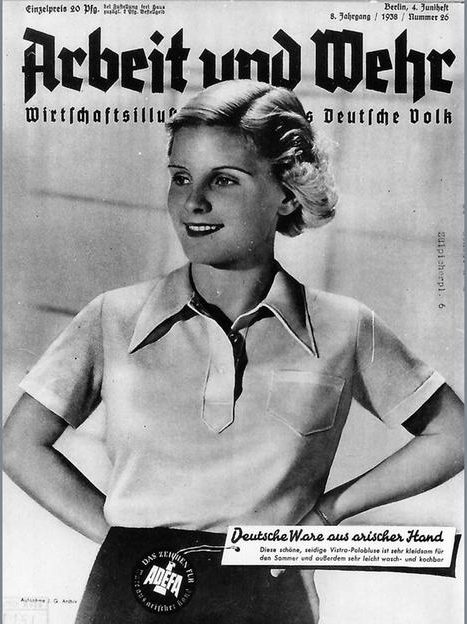
The companies of Jewish fashion manufacturers were then systematically taken over by members of the Nazi party: “Jews were soon forbidden to take out bank loans. For the clothing companies, this was a disaster. You couldn’t have fashion shows without bank guarantees,” explains Westphal, which is why Jews were forced into making Nazi party members partners in their companies to have access to funds, and finally transferring ownership at ridiculously low prices.
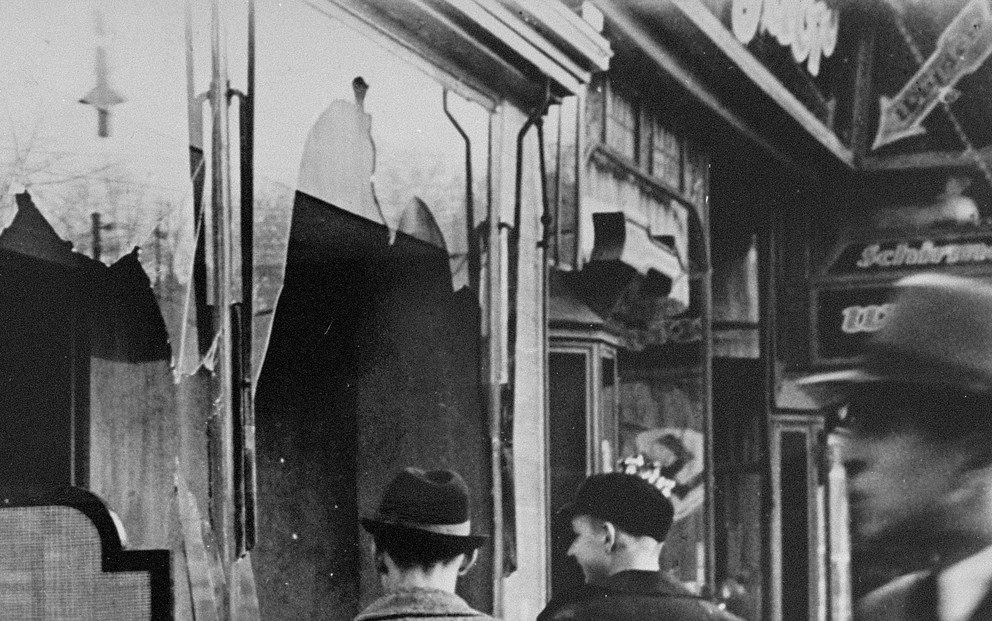
In the Kristillnacht of November 9-10 1938, https://en.wikipedia.org/wiki/Kristallnacht groups of Nazi supporters stormed hundreds of companies on Hausvogteiplatz in the Berlin district of Mitte, which was the city’s center of Jewish fashion. They destroyed everything they could get their hands on: “Of the 2,700 Jewish fashion companies, only 24 were left, and they too were confiscated by 1940 at the latest,” says Westphal.
https://www.dw.com/en/how-the-nazis-destroyed-berlins-thriving-fashion-industry/a-66172345
Top photo: Seamstresses at the Auschwitz concentration camp working with sewing machines during WWII-
Image: Yad Vashem Archiv
 Lee's Perspective