
Lee Heidhues 7.16.2023
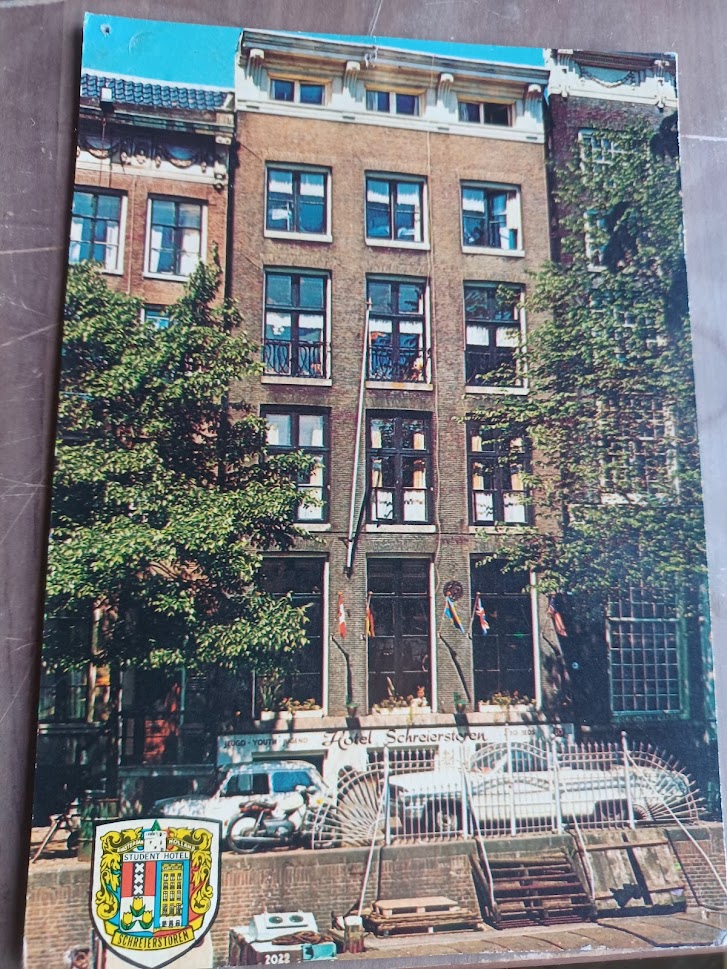
In the fall of 1969 I spent a month in Amsterdam’s Red Light district at the ‘Student Youth Hotel Schreierstoren (Weeping Tower) just minutes walk from the City’s central train station.
The Schreierstoren, filled with international travelers, had a bar and juke box. One of the most frequently played songs was the smash hit Je’Taime by Jane Birkin and her collaborator, lover Serge Gainsbourg.
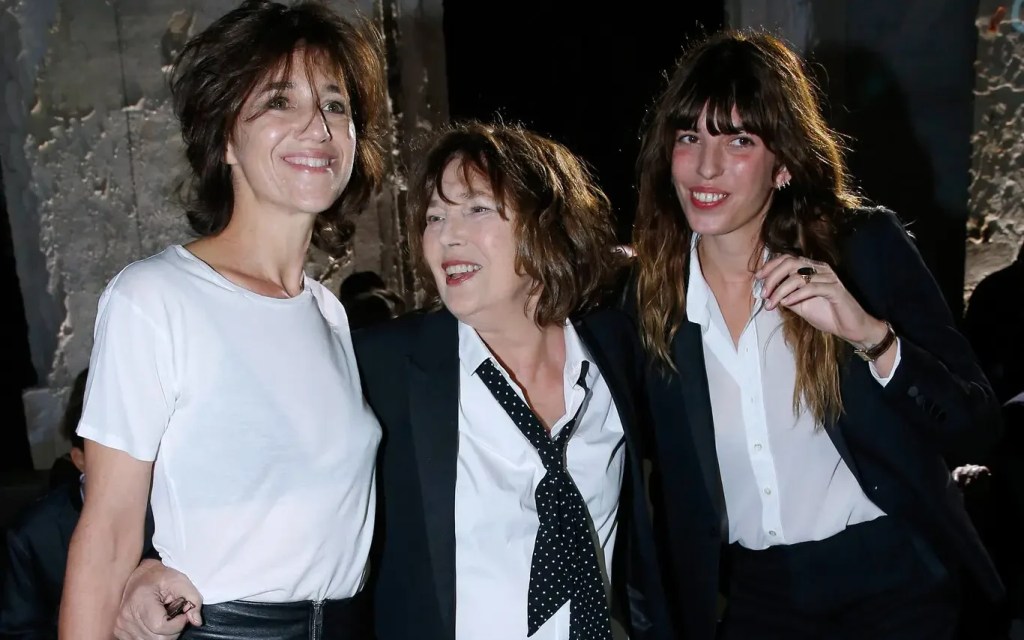
Jane Birkin died this past weekend in Paris. The French Culture Ministry said the country had lost a “timeless Francophone icon”.
https://en.wikipedia.org/wiki/Jane_Birkin
Excerpted from The Independent 7.16.2023 – Helen Brown
Broadcast news of Jane Birkin’s death inevitably came accompanied by clips of her as softcore chanteuse, singing the 1969 single she recorded with Serge Gainsbourg, “Je t’aime… moi non plus”, her breathy, girlish voice wrapping sweet, urgent nothings around an older lover’s weary cynicism.
In 2021 she told me, entirely without self-pity, that her mother “wasn’t one for newborn babies – milk and nappies and all that. I think they were with a lot of nannies who made my parents feel uncomfortable and made my mother feel inadequate. You have to give people confidence that they’re doing it right. You tell people they’re getting it wrong and they’ll step back.”
I asked if that meant that she spent more time on her. “No. Neither of them were like that, and that’s all right. There’s nothing worse than making people do things when they feel uncomfortable.”
Birkin would go on to sing scores of Gainsbourgs’s poetic, playful and provocative songs. Sing? She liked to say she “wore” them. To me, she sounded more like she was smoking them. Inhaling his darker thoughts, holding them in, getting a little sad or high, then breathing them out somehow lighter, more evasive. Teasing both his need to shock and his audience’s need to be shocked.

At her final London show last year, she didn’t give us “Je t’aime” but its B Side, “Jane B”, on which Gainsbourg gave her licence to play with his typecasting of her as a 2D muse. He listed her vital statistics à la CSI: “Yeux bleus/ Cheveux châtains/ Jane B/ Anglaise/ De sexe féminin/ Âge entre 20 et 21…” The song implied she was already dead, a pretty corpse “sleeping” by the side of the road. But, of course, Birkin would outlive her lover by three decades and carry his legacy – with a pallbearer’s tender stoicism – for the rest of her life.
Because – although some critics dismiss her as the original, 1960s edition of the manic pixie dream girl – Birkin was no passive muse. The fashionista fantasy of her was at sharp odds with the earthy woman I interviewed twice in the final decades of her life.
I last spoke to Birkin on the phone in 2021 and her crisp, Mary Poppins accent still took me by surprise. L’amour? Spit Spot! She’d been out in her men’s corduroy trousers (no Birkin or basket bag, key on a ribbon around her neck) walking by the Brittany coast near her home, she told me. She was about to make a hearty hotpot and was looking forward to watching it “bubble down all warm and red on the stove”. She lived alone with her latest bulldog and seemed quite content with the situation.

Birkin is a reminder that the gauziest-seeming human might have sinew they don’t show.
And the woman whose 1969 vocals are often used as a shorthand for physical affection grew up experiencing very little of it. Born in 1946, Jane Birkin is the daughter of (once famous) actor Judy Campbell and ex-spy David Birkin.
 Lee's Perspective