
SAN FRANCISCO
Lee Heidhues 7.15.11 2026 UPDATED
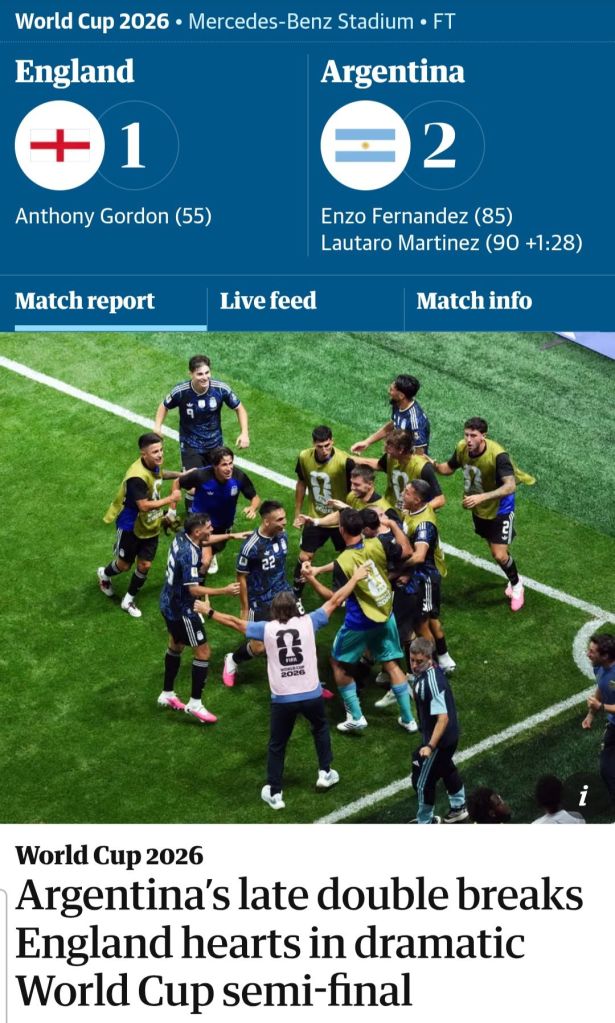
Excerpted from Deutsche Welle 7.1.2026
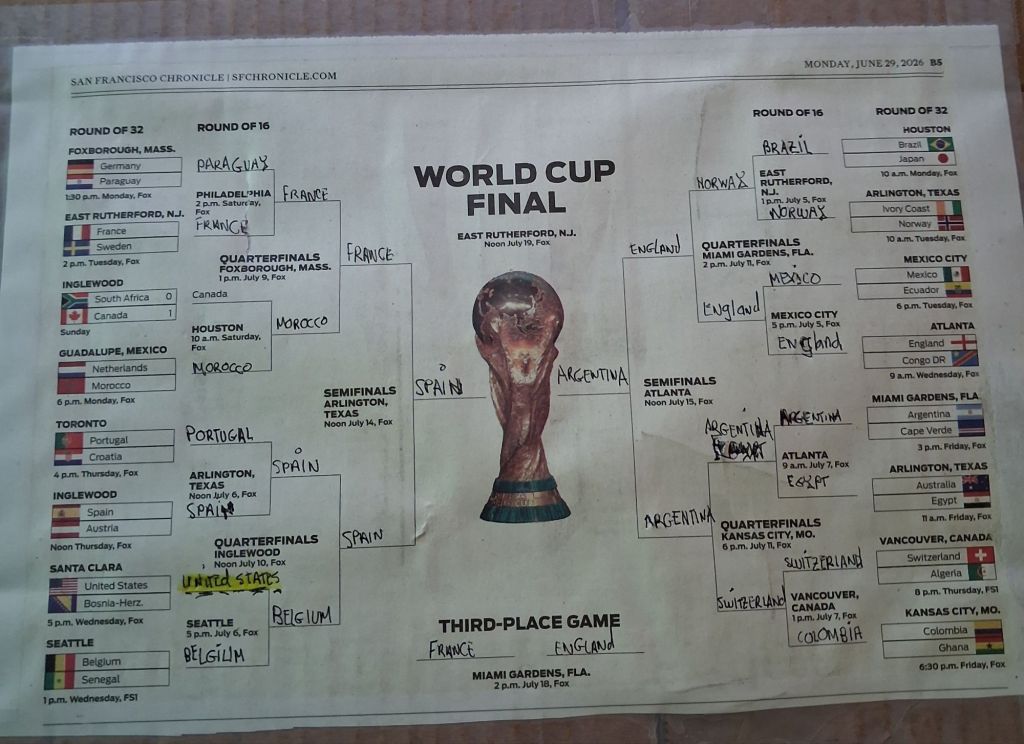
The blogger has been watching the World Cup since Day One on June 11th and is thrilled that the United States men’s team has moved to the group of 16 and will meet Belgium on Monday, July 6th in Seattle.
Despite all the joy of the game there is most definitely a political element. Deutsche Welle and The New Yorker have broken down and dissected the problems afflicting what is euphemistically titled The Beautiful Game.
Excerpted from Deutsche Welle 7.1.2026
The eyes of the world are, once again, glued to the World Cup. Overwhelmingly, they are on Lionel Messi’s goal-scoring record, a Cape Verdean goalkeeper who shot to fame or viral clips of fans.
It’s a familiar and understandable diversion of attention from the issues that dominated the buildup. Many Argentine fans were denied visas to attend the tournament and see Messi make history, Vozinha’s mother was only granted a visa bond waiver to the country after her son’s heroics for Cape Verde, and those fans seen on TV are often the lucky few rich enough to afford outrageous ticket prices.
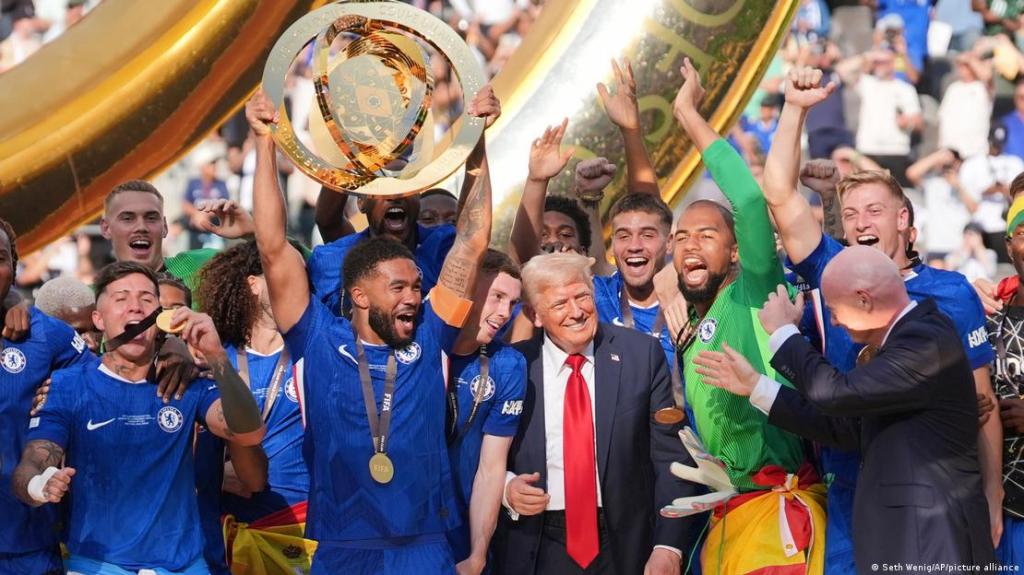
The decision to award US President Donald Trump FIFA’s inaugural Peace Prize last December, shortly before Trump started a war with tournament participant Iran, was reportedly a unilateral move by FIFA President Gianni Infantino and has further eroded trust both within and outside the organization.
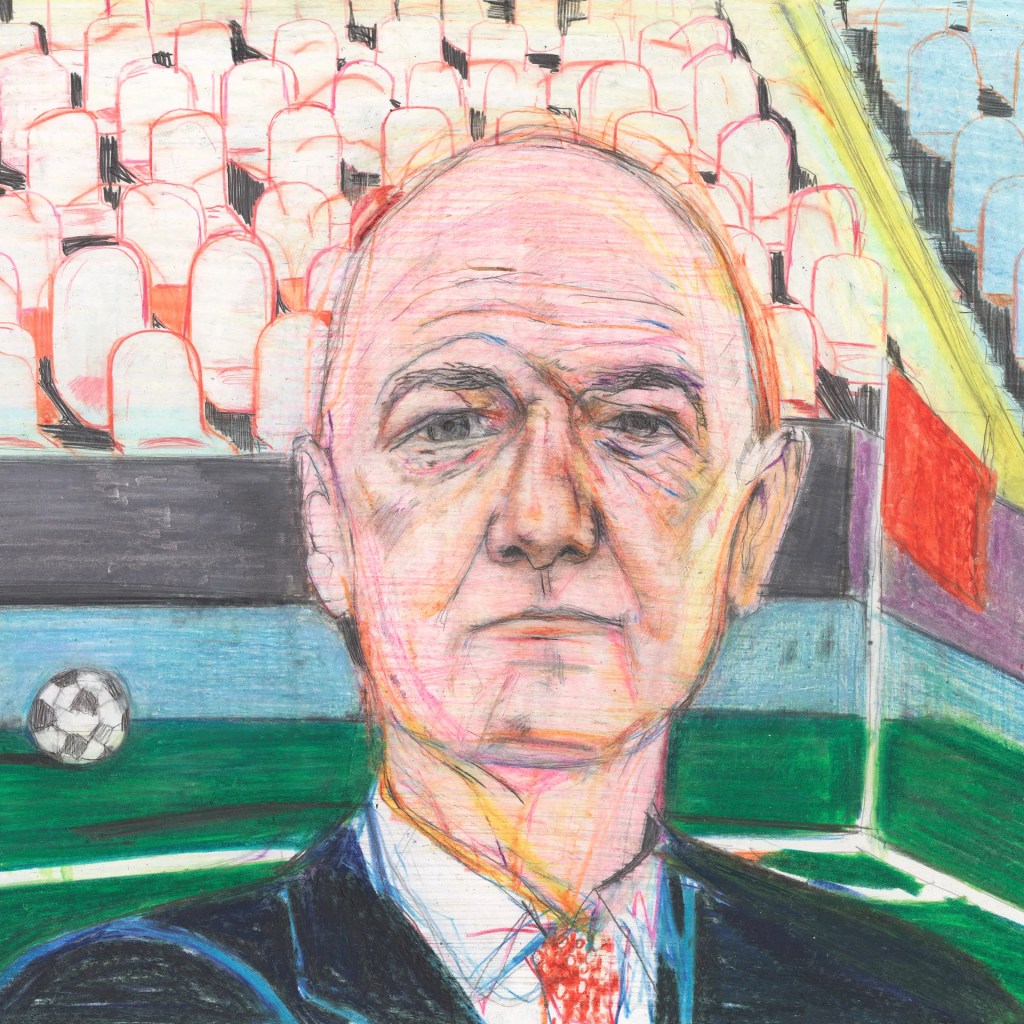
https://www.dw.com/en/does-football-need-fifa-and-its-world-cup/a-77677338
Excerpted from The New Yorker POWER MOVE – Sam Knight – 6.8.2026
Gianni Infantino is both absolutely in control and strangely ill at ease. “He doesn’t trust many people,” a former official said. “His circle is very small.” Patrick Oberli, the Swiss journalist, has interviewed him four times. (Infantino declined to speak with me.) “In every case, I was faced with someone who was fearful,” Oberli said. “It was a peculiar feeling. It was as if he were sitting an exam.” In 2023, when Infantino was reëlected, unopposed, for a second full term as president, he opened a rare news conference with a rebuke for the waiting reporters. “I don’t understand why some of you are so mean,” he said. “Why? Why? I don’t get it.”
Infantino—now the president of the Fédération Internationale de Football Association, which governs global soccer and owns the World Cup—was twelve years old and living in Brig, a small town in the Swiss Alps. Infantino’s parents were Italian migrants: his father worked on the night trains that ran under the mountains and across Europe, and his mother managed a kiosk at the railway station. Working-class Italians suffered discrimination in Switzerland during Infantino’s childhood. But the triumph of the Azzurri, the Italian men’s national team, in the World Cup helped to change that. It “allowed us to grow,” Infantino said in a speech, in 2021. “For me personally, I think that the 1982 World Cup was definitely the moment when the football virus . . . became part of my life and my body.”
Swiss Italians of Infantino’s generation have described the mounting euphoria of that summer as a feeling of riscatto—redemption and release. Brig is only a few miles from the Italian border. (Infantino calls his personality a combination of Italian creativity and Swiss precision.) After one match, he and his family crossed the border to the town of Domodossola to celebrate. There were no Italian flags on sale anywhere, so Infantino’s mother bought strips of red, white, and green fabric and sewed them together herself.
Brig is in the Upper Valais, a gaunt and conservative place where the inhabitants speak Walliser German, an Alpine dialect that many Swiss people find unintelligible. Six miles along the valley is Visp, the birthplace of Sepp Blatter, Infantino’s predecessor at FIFA, who, until Infantino entered the picture, was the most infamous soccer administrator of all time.
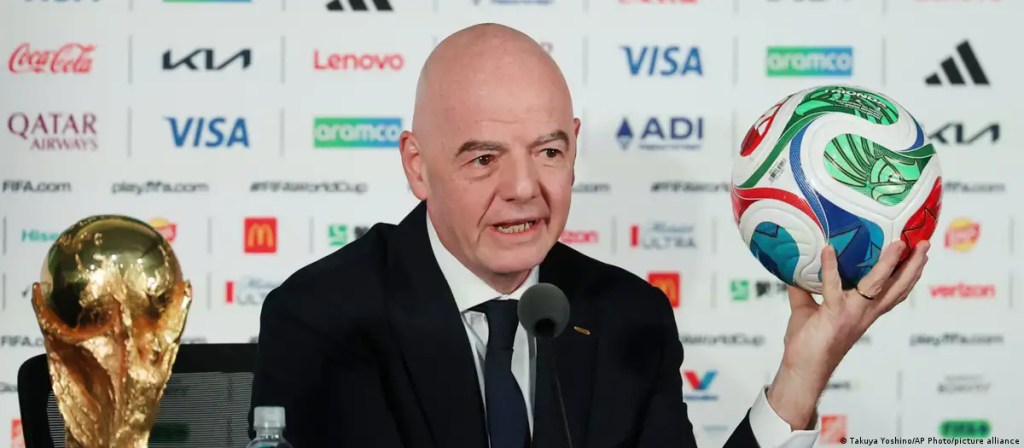
Infantino will be unavoidable this summer. During the previous World Cup, in Qatar, directors of the official tournament feed were reportedly instructed to show him in the crowd once per match and not while he was looking at his phone. The geography of this year’s World Cup means that he won’t be physically omnipresent, but his imprint will be everywhere. “It’s safe to say that there’s no major decision that’s being made at this tournament without the direct involvement of Gianni,” a former high-ranking FIFA official told me. FIFA has staged two men’s World Cups under Infantino, but the 2026 edition is the first to be awarded and delivered during his tenure, and thus fully shaped in his image. He has already declared it to be the greatest of all time. Infantino’s messaging is as relentless as a 3-D printer’s. He is fond of the number eleven, which is the number of players on a soccer team. Most things are iconic. He likes to describe FIFA as “the official happiness provider to humanity.”
https://www.newyorker.com/magazine/2026/06/08/the-world-cup-according-to-gianni-infantino
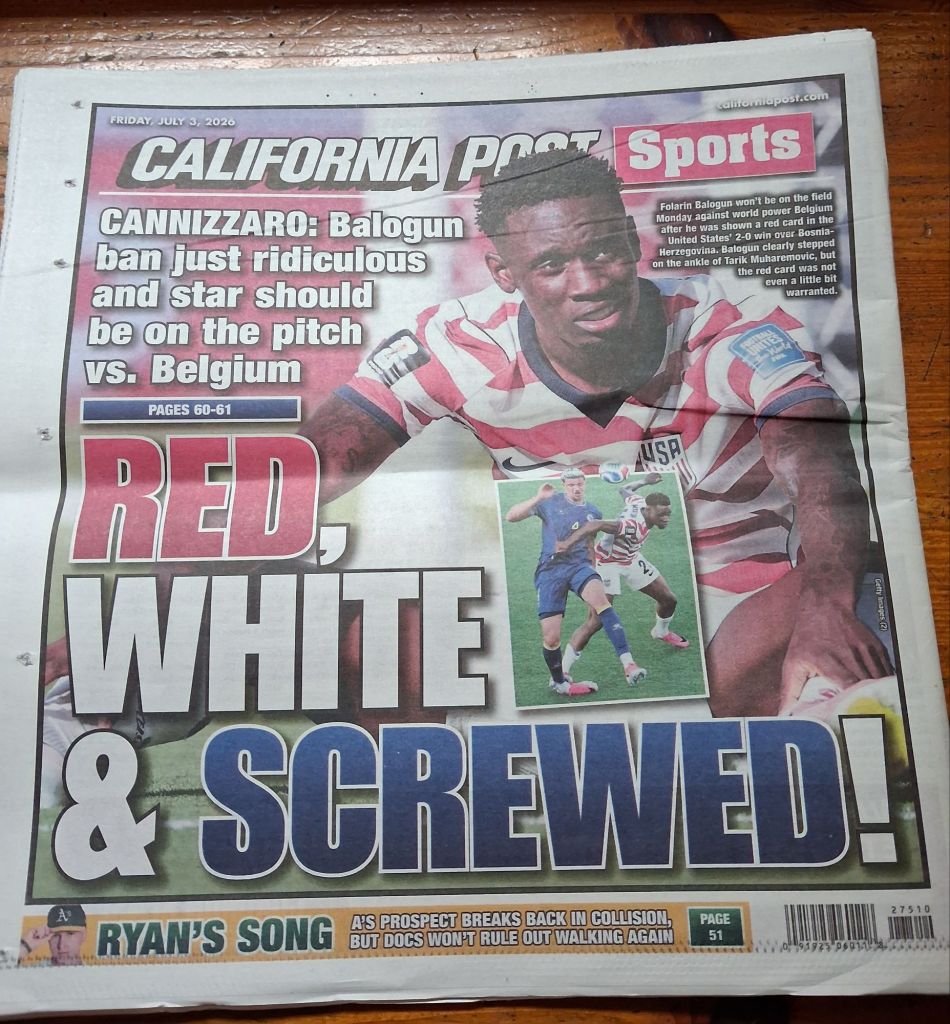
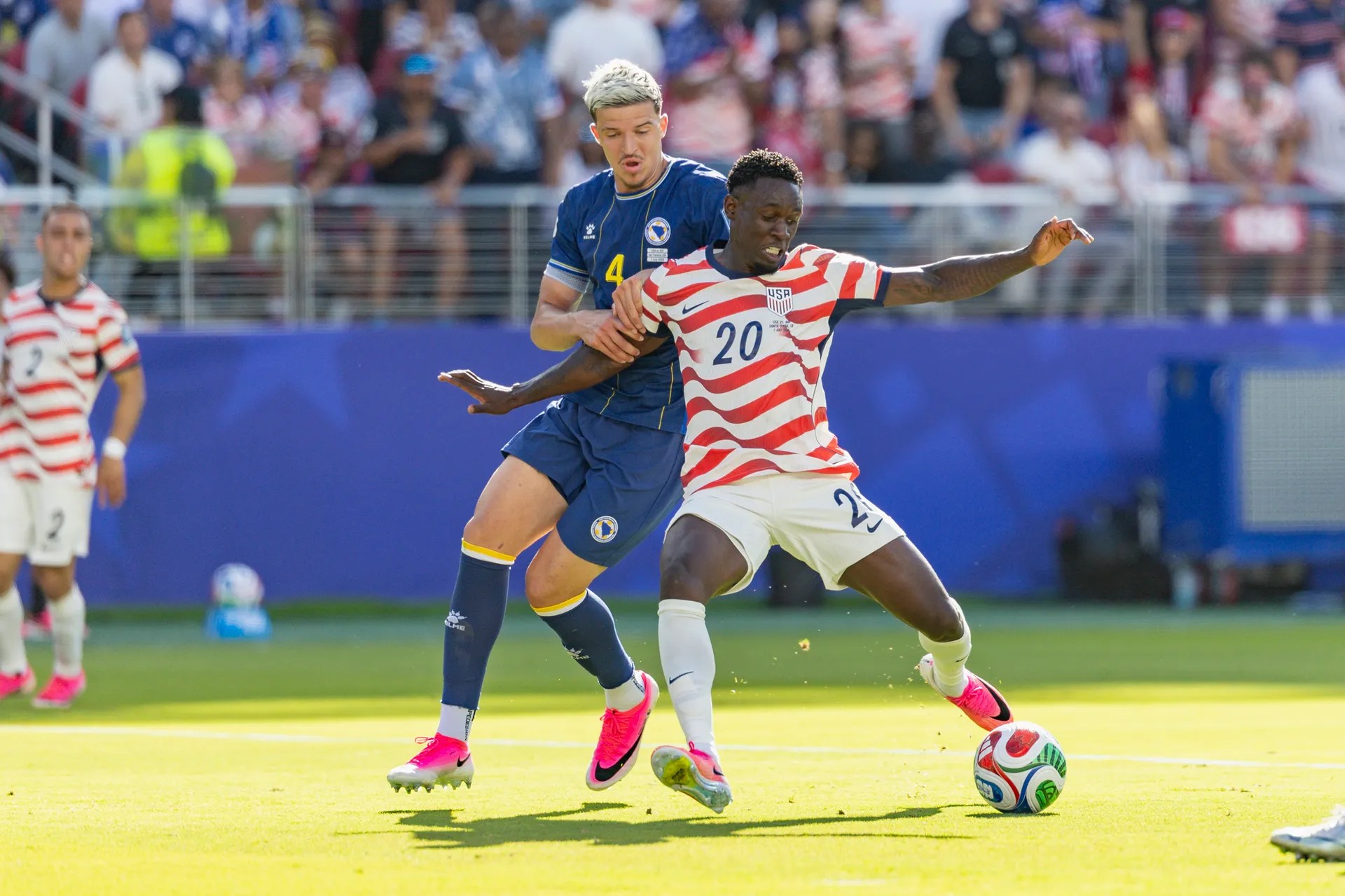
Top photo: American star striker Folarin Balogun will miss the round of 16 in Seattle after he was assessed a controversial Red Card in the USMNT win over Bosna-Herzegovina