
SAN FRANCISCO
Lee Heidhues 1.1.2024
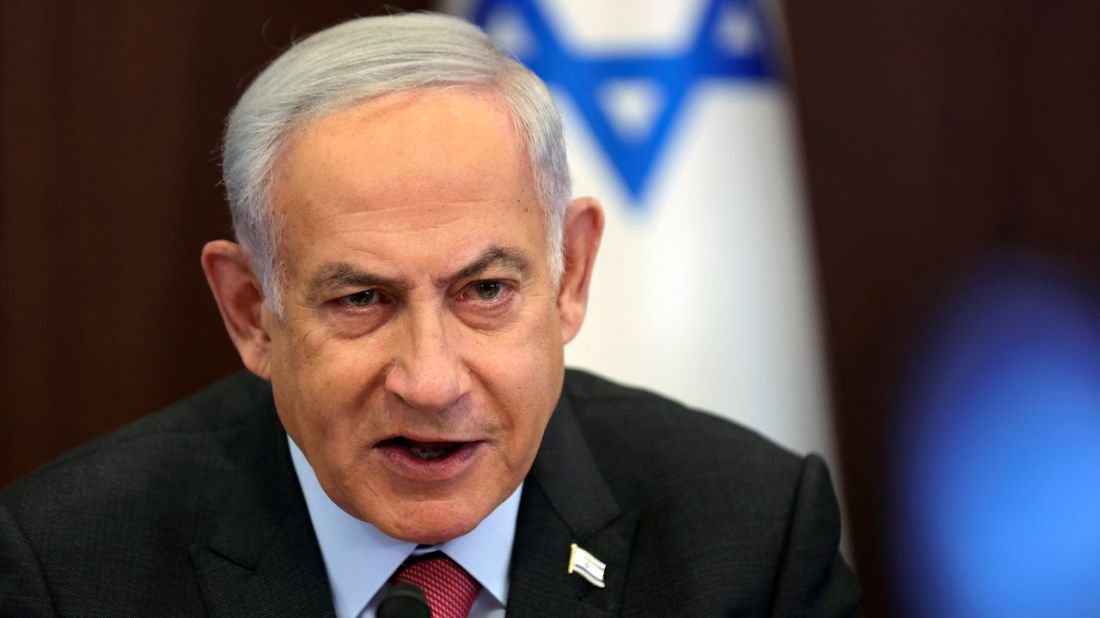
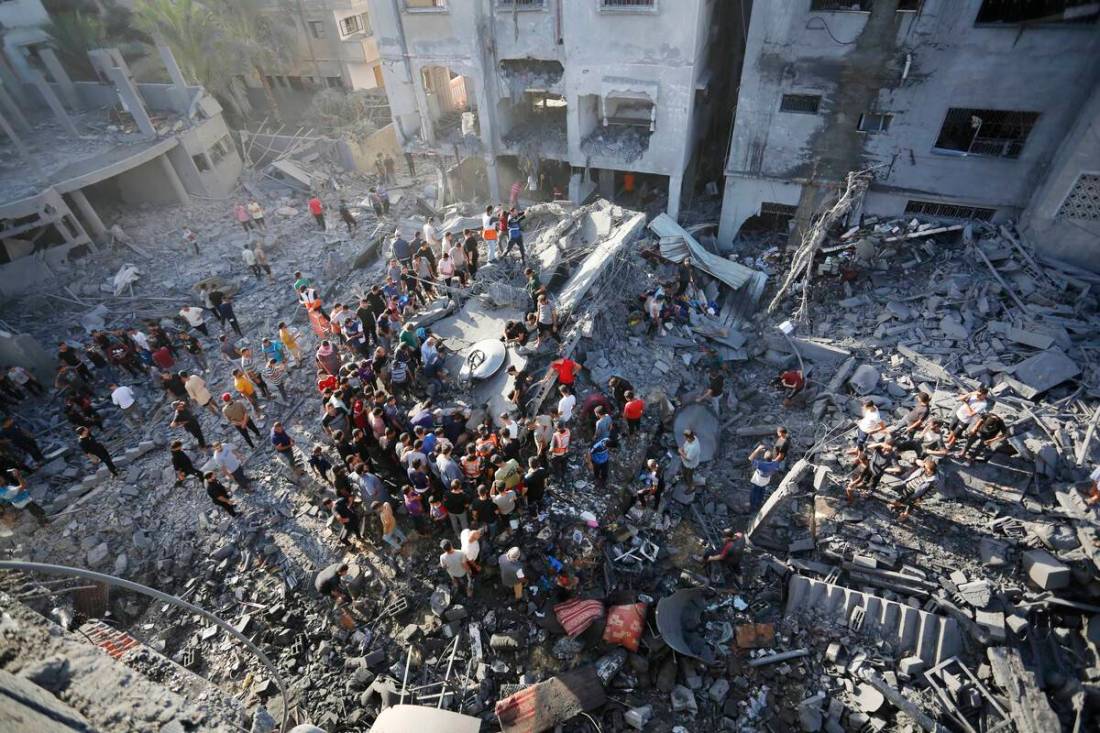
Bibi Netanyahu is paying the price for his corruption and war crimes against the The People of Gaza. The Israeli Supreme Court has smacked down his attempt to delegate more power to himself and his extremist ruling coalition.
Even while the Israeli continues to lay waste to Gaza the judiciary has sent a message. Enough of your abuse of power. While this ruling will not stop the IDF assault on Gaza it certainly sends a message to Bibi Netanyahu. Your days in power are numbered.
Excerpted from The New York Times 1.1.2024
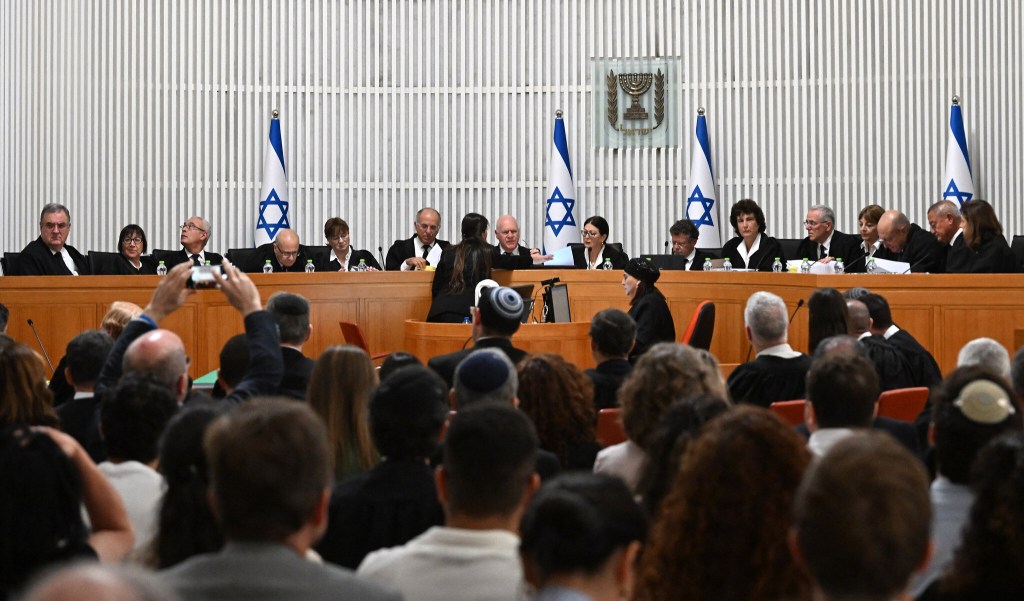
In a momentous ruling that could ignite a constitutional crisis, Israel’s Supreme Court on Monday struck down a law passed by Prime Minister Benjamin Netanyahu’s right-wing government that was meant to limit the court’s own powers, by a majority of eight judges to seven.
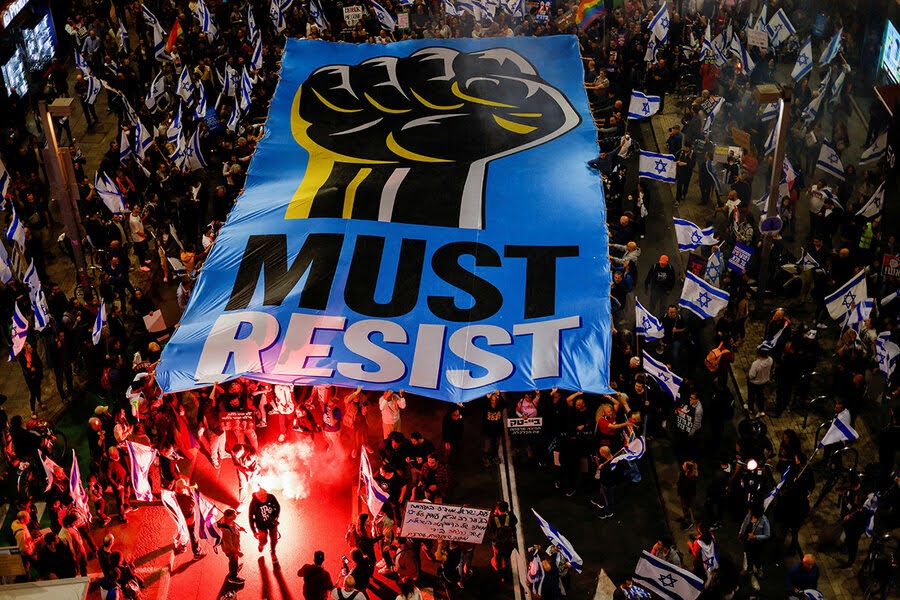
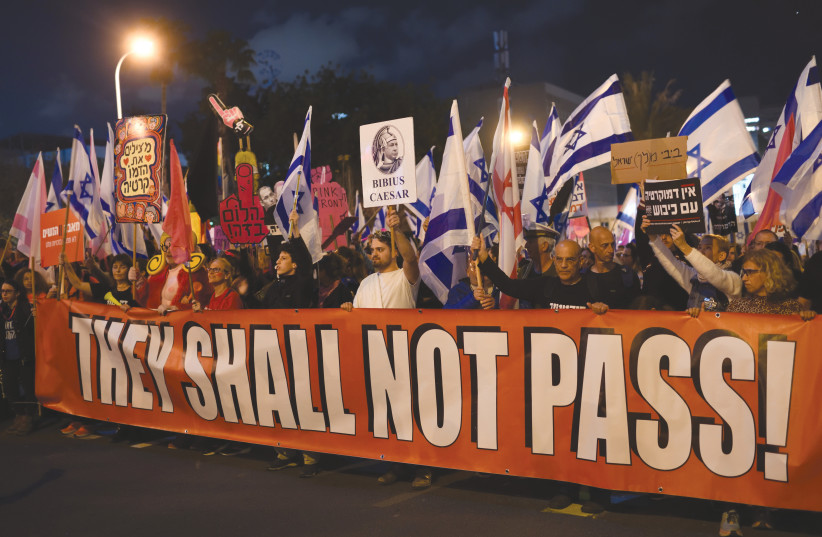
The decision is likely to rekindle the grave domestic crisis that began a year ago over the right-wing government’s judicial overhaul plan — which sparked mass protests that brought the country to a near standstill at times — even as Israel is at war in Gaza.
The court, sitting with a full panel of all 15 of its justices for the first time in its history, rejected a law passed by Parliament in July. The law barred judges from using a particular legal standard to overrule decisions made by government ministers.
The court’s decision heralds a potential showdown between the top judicial authority and the ruling coalition, and could fundamentally reshape Israeli democracy, pitting the power of the government against that of the court.
Mr. Netanyahu’s governing coalition, the most right-wing and religiously conservative in Israel’s history, has argued that the Supreme Court has overreached its authority and subverted the will of the voters and the function of the elected government.
They argue that the legal concept of “reasonableness” — which the court used a year ago to strike down Mr. Netanyahu’s appointment as finance minister of a political ally who had been convicted of tax fraud — is ill defined and subjective.
But in a country that has one house of Parliament, no formal written constitution and a largely ceremonial president, many defenders of Israel’s liberal democracy view the Supreme Court as the only bulwark against government power, and the standard of reasonableness to be one of the primary tools at the judges’ disposal.

































 Lee's Perspective