Trump has fought for years to keep secret details of his bank accounts. Well, here’s the bill coming due despite The Donald’s best efforts.
We can thank his press secretary for this public display. Good job.
New York Times 5.22.2020
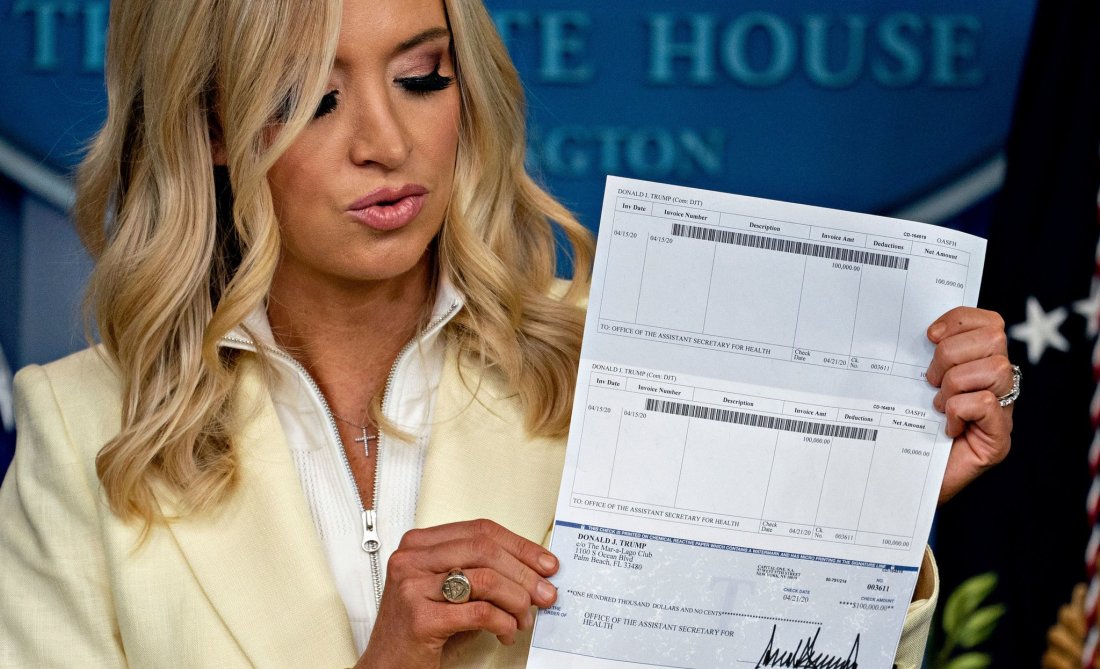
The $100,000 check was made out to a government agency. This time his account and routing numbers were clearly visible.
In the past, the $100,000 check from Mr. Trump has been made out to the Small Business Administration initiative to help veteran entrepreneurs, to the Office of the Surgeon General to fight the opioid epidemic, and to the National Institute on Alcohol Abuse and Alcoholism, among other places.
But on Friday, Kayleigh McEnany, the White House press secretary, did not just reveal that the president was sending his salary to the Department of Health and Human Services to help “support the efforts being undertaken to confront, contain and combat the coronavirus.”
She also displayed the president’s private bank account and routing numbers.
The $100,000 check she held up like a prop appeared to be a real check from Capital One, complete with the relevant details. An administration official said mock checks were never used in the briefing.
A White House spokesman, Judd Deere, said in a statement, “Today his salary went to help advance new therapies to treat this virus, but leave it to the media to find a shameful reason not to simply report the facts, focusing instead on whether the check is real or not.”
For an average civilian, that information could be used to withdraw or deposit money, make online purchases or hack an account.
“It’s not a best practice to share that information publicly,” said Eva Velasquez, the president and chief executive of the Identity Theft Resource Center. “If you don’t have protections in place, there are sophisticated schemes and ways someone could access those funds knowing the account and routing number and the individual person it belongs to.”
Ms. Velasquez said that a bank was almost certain to have additional protections in place on the account of a high-profile person like the president. Mr. Trump, she said, was not likely to be hacked because of photographs of the check that subsequently circulated online Friday night.
But she said the image of Ms. McEnany flashing Mr. Trump’s personal information in front of cameras sent a concerning message. “This is one of those situations where setting the example is very important,” Ms. Velasquez said. “It’s very important for your average person to understand this is not a best practice.”
Michael Cohen is no angel and is guilty of the crimes he committed.
Still, there is something wrong with a Justice system which sent him to prison while his certifiably corrupt and criminal boss sits in the White House. For now.
It’s only 284 days until the Inauguration of a new President and Trump will be taking his corrupt crew to a life in exile.
Excerpted from Daily Mail UK – 5.21.2020
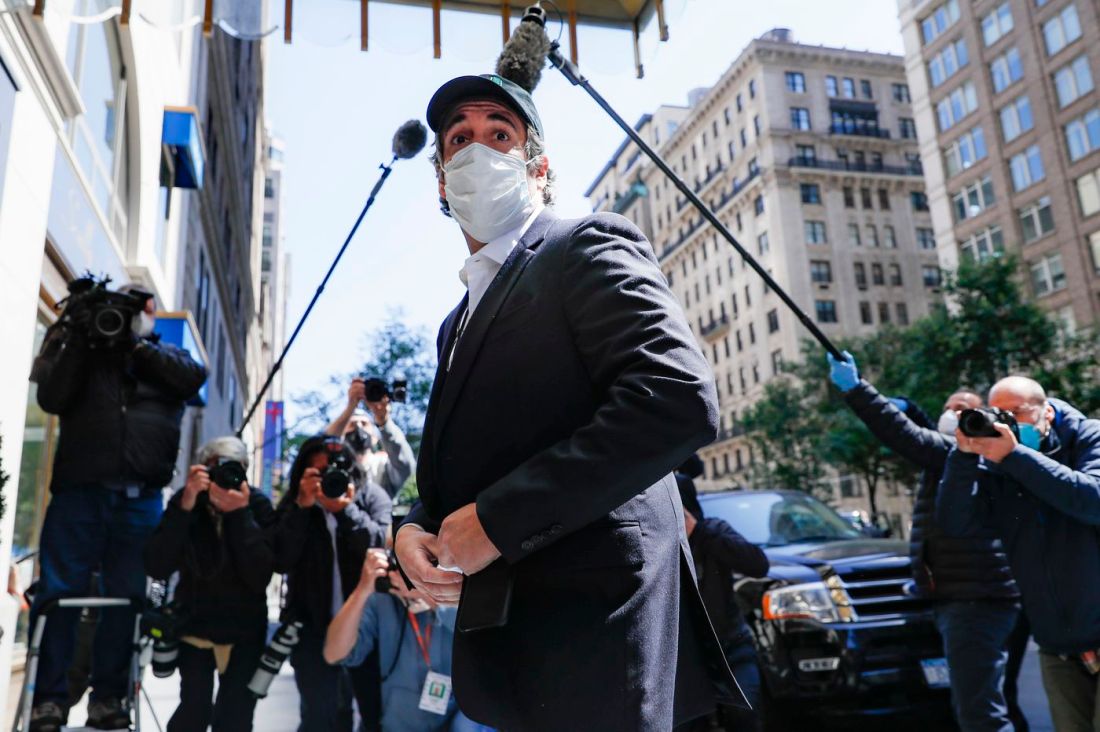
President Donald Trump’s longtime personal lawyer and fixer Michael Cohen was freed from federal prison just before 9am Thursday to serve the remainder of his sentence at home.
Last month it emerged he has been writing a book while behind bars.
‘He told me he’s been writing a book and he’s pissed. He told me he is going to spill the beans. What has he got to lose now?’ comedian-and-actor Tom Arnold told The Daily Beast.
Cohen had told the publication in February 2018 that he was shopping a book and had interest from publishers including Hachette.
At the time the book was tentatively titled, Trump Revolution: From The Tower to The White House, Understanding Donald J. Trump.
But in December 2018 he was ordered to spend three years in federal prison and in February 2019 he was disbarred. He reported to federal detention on May 6, 2019.
Cohen had been serving a federal prison sentence at FCI Otisville in New York after pleading guilty to numerous charges, including campaign finance fraud and lying to Congress.
He was seen leaving the low-security prison in a silver Mercedes A-class sedan driven by his son Jake. He was not wearing a mask and was wearing a crisp white shirt with French cuffs and no tie.
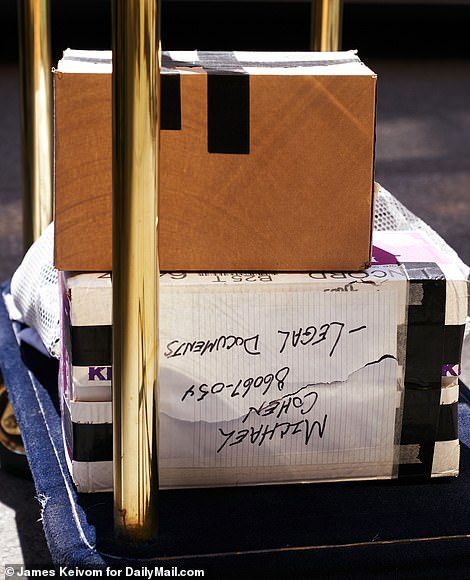
Later Cohen was seen arriving at his Manhattan apartment, wearing a University of Miami cap and a mask. His personal items, including a box clearly marked ‘Legal Documents’, were brought in on a luggage cart and carried in by his son Jake.
The onetime-fixer was released on furlough with the expectation that he will transition to home confinement to serve the remainder of his sentence at home.
Cohen, 53, began serving his sentence last May and was scheduled to be released from prison in November 2021.
He had pleaded guilty to a series of offenses, including breaking campaign finance law by paying ‘hush money’ to Stormy Daniels to keep her alleged affair with Donald Trump secret.
But there is no denying one outstanding benefit. Global warming and pollution have gone on a completely different trajectory in the past two months.
In the ideal world life would return to pre Pandemic times without the devastating effects of pollution
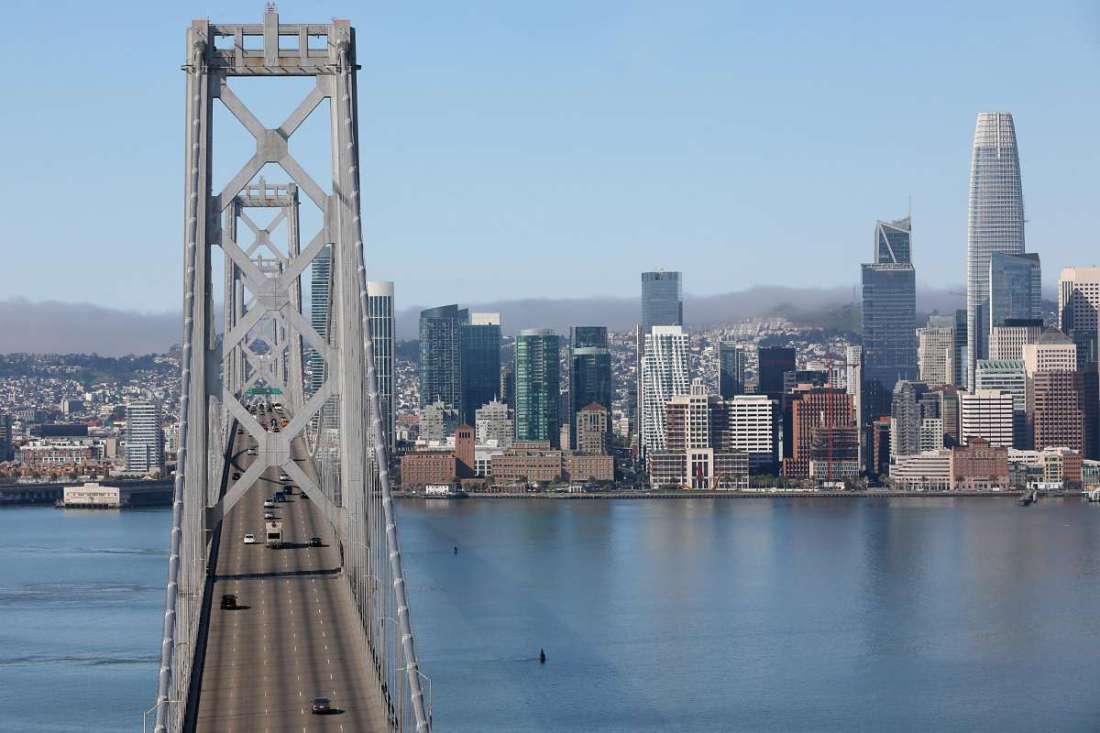
Marvelous Picture above: Oakland Bay Bridge looking into San Francisco 4.23.2020
Fewer cars. Less congested cities. Decreased number of people in office buildings. Diminished air travel.
Dream on. Sounds nice, though.
San Francisco Chronicle 5.19.2020
The disruption caused by the coronavirus has been so profound that it’s altered the trajectory of global warming.
Not since World War II — and perhaps never before — have the emissions of heat-trapping gases dropped as much around the planet as they have during the COVID-19 outbreak.
The latest and most detailed study yet on the pandemic’s impact on climate pollution, published Tuesday and authored by the research group Global Carbon Project chaired by Stanford University’s Rob Jackson, finds that the Earth will see up to a 7% decrease in carbon dioxide this year. The dip is five times the decline in emissions in 2009, when the recession choked the world’s economy, and double what it was in 1992, after the fall of the Soviet Union.
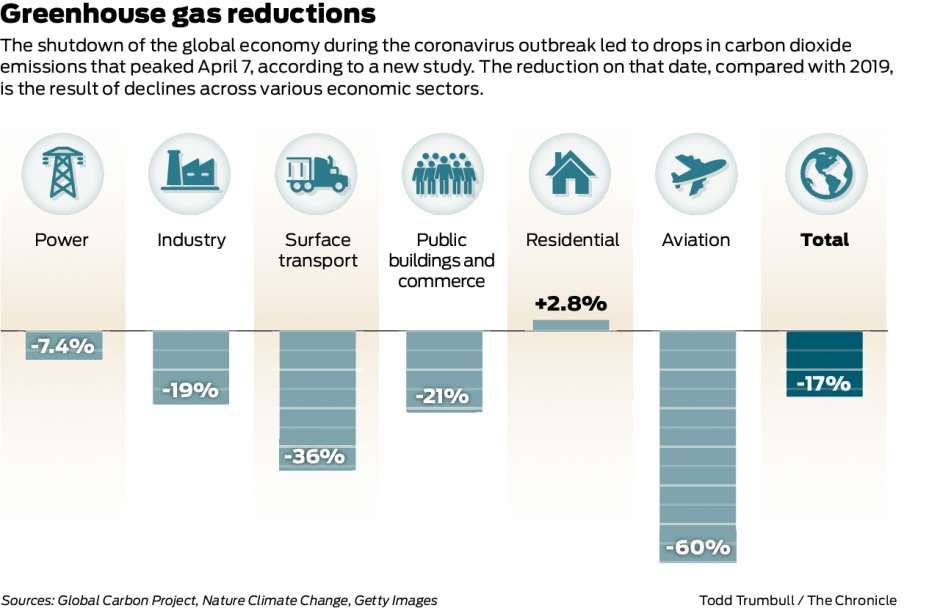
While a variety of activity explains the declines, fewer people driving was the largest contributor worldwide. Less industrial pollution was also a big contributor.
“Cities from Seattle to Milan are keeping roads closed to cars and letting them stay open to bikes and pedestrians even after the shelter-in-place,” Jackson said. “And maybe COVID-19 and stimulus funding will jump-start electric cars.”
The paper’s findings mirror other reports that have similarly found sharp drops in greenhouse gases recently. The emerging research also is in agreement that the lull will likely be short-lived and, at best, buy time before the most devastating effects of climate change take hold. The lockdown that has halted factories, energy plants and automobiles during the pandemic is already lifting, and without deliberate action, carbon-intense activities are bound to resume.
“That’s the danger here,” said Jackson, a professor of earth system science and senior fellow at Stanford Woods Institute for the Environment. “We’ve decreased emissions for the wrong reasons. Will they jump back up starting this fall, or could the virus allow us to rethink transportation and other parts of the economy?”
The answer to the question, say Jackson and others, may not be so straightforward. Greenhouse gases could rebound in some areas, and there could be lasting decreases in others.
Measuring heat-trapping gas emissions, for which carbon dioxide is a proxy, is not easy to do, especially in real time. The researchers at the Global Carbon Project analyzed daily economic activity in 69 countries from January through April and modeled the carbon pollution that likely resulted, then compared it to last year. The countries included have historically produced almost all of the world’s carbon dioxide.
The researchers found that China, the largest polluter, reduced emissions by nearly 24% on some days in mid-February. The United States, the second-largest polluter, cut emissions by nearly 32% for almost two weeks in mid-April. The European Union, including Great Britain, trimmed emissions by about 27% during the first week of April.
The dates of peak reductions varied in different parts of the globe because each locked down at a different time. The biggest cumulative drop in carbon dioxide was on April 7 and measured about 17%, according to the study.
Based on the observed drops in emissions, the researchers estimate that going forward, carbon dioxide will fall between 4% and 7% for the year worldwide, depending on how quickly countries end their lockdowns.
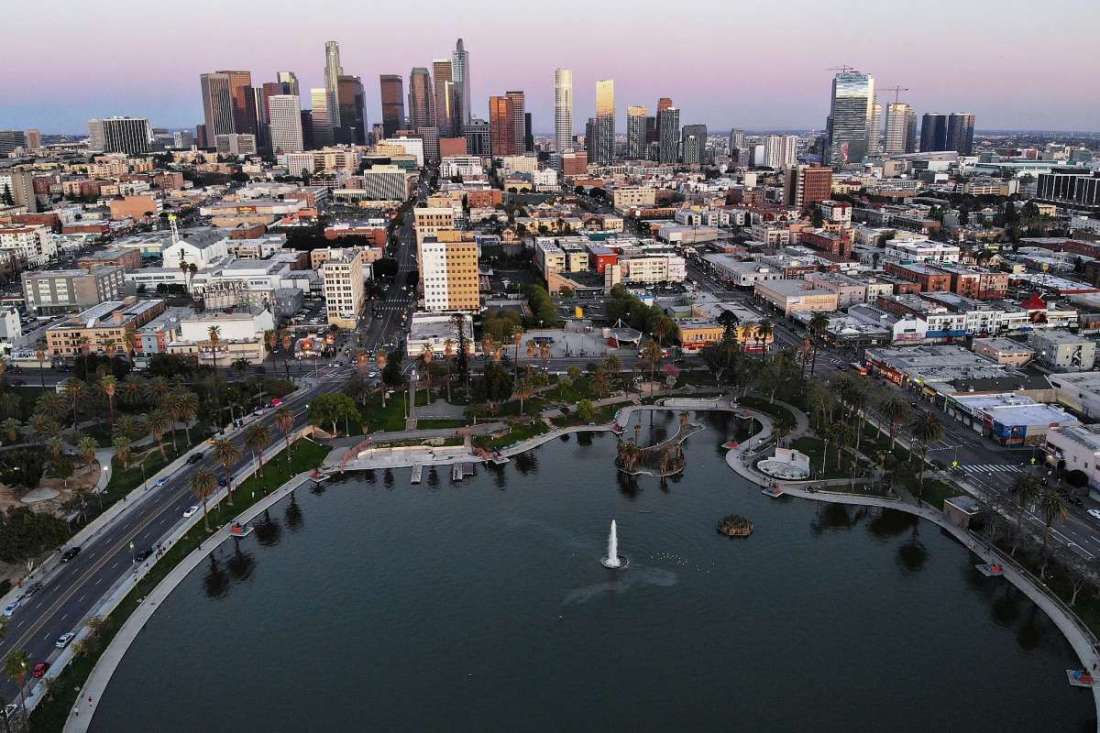
Los Angeles, California 4.23.2020
Jackson said the amount of the decline can be viewed as both considerable, given that it’s the largest ever seen, and humbling because it’s the minimum needed annually to put the planet on track to meet the Paris climate agreement — enough of a drop to prevent the global temperature from rising 2 degrees Celsius above pre-industrial levels.
“We would need to do this every year,” he said.
The new paper was published in the journal Nature Climate Change.
Just when I thought Trump couldn’t engage in any more bizarre behavior..
Daily Mail – UK – 5.18.2020
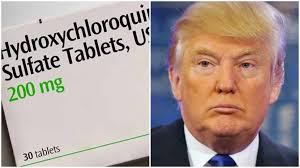
President Donald Trump said on Monday he’s been taking hydroxychloroquine for about a few weeks now but said he doesn’t have the coronavirus.
The president made the shocking announcement at the White House during an event with restaurant workers.
‘I’m taking it – hydroxychloroquine. Right now yeah. A couple of weeks ago, started taking it,’ he said
He said he’s confident in the drugs because he’s heard good things about them.
‘Here’s my evidence. I get a lot of positive calls about it,’ he said.
Hydroxy has potentially serious side effects, including altering the heartbeat in a way that could lead to sudden death, and the FDA has warned against its use for coronavirus infections except in formal studies.
The president shrugged off reports of its side effects.
‘You’re not going to get sick or die,’ he said about taking the medication. ‘I’ve taken it about for a week and a half now. And I’m still here.’
A study released last Monday showed hydroxychloroquine does not work against Covid-19 and could cause heart problems.
It was published in the Journal of the American Medical Association and follows an earlier study in the New England Journal of Medicine that also showed the drug doesn’t fight the virus.
Additionally, the US Food and Drug Administration and the National Institutes of Health issued warnings about using the drugs for coronavirus patients.
Trump dismissed such studies.
The president repeatedly has touted hydroxychloroquine – used to treat malaria, lupus and other diseases – and the antibiotic azithromycin, often sold under the brand name Zithromax, or as a’Z-pack,’ to be used to treat the coronavirus.
In the midst of the Pandemic it’s nice to look back to a different time. 1968.
The Vietnam war was raging. Martin Luther King and Bobby Kennedy were assassinated in the United States. The Russians invaded Czechoslovakia to put a brutal end to the Prague Spring.
There were disruptions in Berlin and Paris as people took to the streets.
In America there was the notorious Altamont Concert near San Francisco which signaled the end of the 1960’s with its well documented violence.
And there was the Beatles White Album.
Excerpted from Deutsche Welle 11.19.2018 – Silke Wunsch
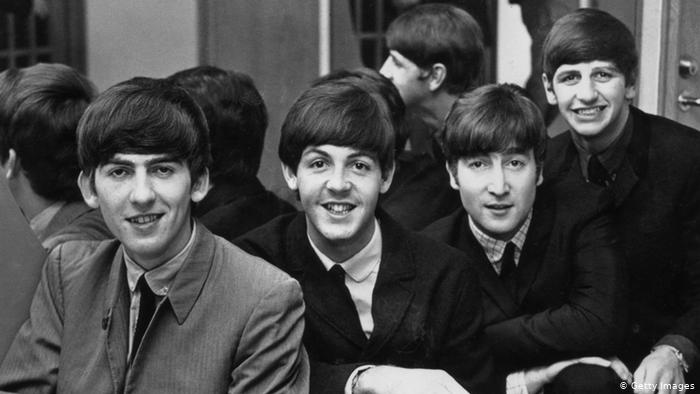
Known as the “White Album,” the Beatles’ ninth studio album came out on November 22, 1968. Going beyond the fab four’s LSD psychedelic pop, the iconic work pioneered new musical genres.
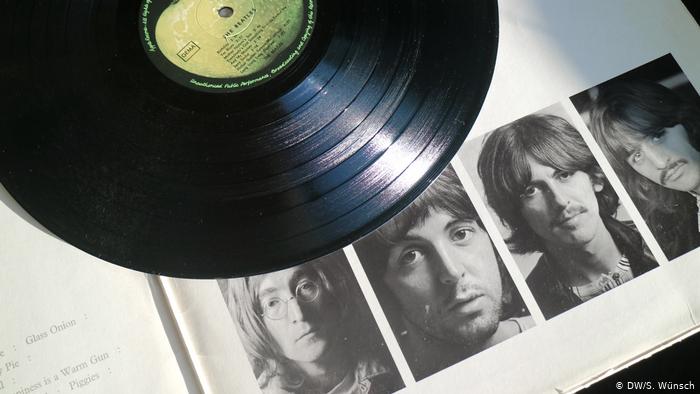
I found mine under the Christmas tree. I remember discovering the pure white cover, embossed with the letters “The BEATLES” and the number 320733 barely visible on the bottom right.
On the open cover, the titles of the songs were listed on the left side of the double sleeve, alongside four simple black-and-white portraits of John, Paul, George and Ringo on the right. Included in the album was also a large poster of the four musicians with the details of the tracks.
A treasure trove
Most of the 30 tunes on the album are no longer than three minutes — though the shortest track is 52 seconds and the longest one over 8 minutes long. It starts out brilliantly with “Back in the U.S.S.R,” followed by tracks featuring variety, harmonies and arrangements that were a true revelation for my young ears at the time — and they keep fascinating me to this day; I still regularly break my fingers trying to play “Blackbird” on the guitar.
I still remember how Germany’s radio stations all played “Ob-La-Di-Ob-La-Da” to death in the 1960s, which is why it is not exactly one of my favorite songs. The record offers far more interesting tracks and moves elegantly through genres — folk, rock, country, blues, progressive rock or psychedelic. Delicate acoustic songs like “Julia,” “I Will,” “Mother Nature’s Son” or “Blackbird” alternate with powerfully orchestrated pieces; “Happiness is a Warm Gun” feels like a compact rock opera, contrasting with the earthy “Yer Blues.” “Rocky Raccoon” is arguably the first rap song in music history and “Helter Skelter,” one of the first hard rock songs ever made.
The Beatles’ self-titled work, best known as the White Album, is a gem-filled milestone, which anticipated trends that led to today’s pop and rock music. I can even say: Without this record, music wouldn’t be what it is today.
A turning point
I was too young at the time to understand the context of this double album released at the end of the “summer of love.”
What I know today is that this album was the Beatles’ way of saying good-bye to the colorful, drug-filled, flower-power era. With a few exceptions, the music does not feature many of the psychedelic approach of the previous album, Sergeant Pepper’s Lonely Hearts’ Club Band (which included “Lucy in the Sky with Diamonds”). With the White Album, the four musicians freed themselves from a crazy era in order to truly start making music again — together, but each already on a journey of his own.
The Beatles at their limits
The fact that the album actually saw the light of day is almost a miracle. In early 1968, the four Beatles boys were still spending their time in the Indian meditation camp of Guru Maharishi Mahesh Yogi, vowing to stay together forever. Then Ringo was the first to lose his appetite for transcendental meditation and vegetarian food. Paul followed him a bit later, while John and George spent several weeks in India writing songs.
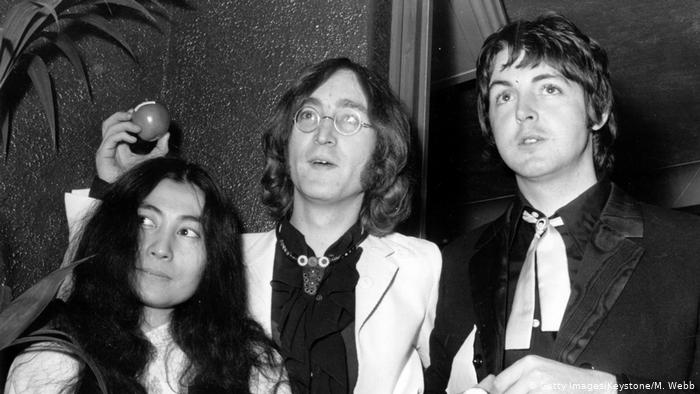
Back in London, they released their most successful single, “Hey Jude,” in August 1968, founding their record company Apple Records. The new record producers however didn’t have strong managerial skills, and thus their label turned into a money pit. By then, John also had Yoko Ono constantly in tow, which really annoyed the three other band members — they couldn’t stand her.
The recording sessions for what came to be known as the White Album were exhausting; the musicians had increasingly separate artistic views as they recorded their songs, composing some of them on the go in the studio. They all played several instruments, switching spots at the piano or the drums. Paul was the most versatile player: along with the bass, he played guitars, keyboards, drums and the timpani.
There were also a few guest musicians — strings and brass players, as well as singers, including Yoko Ono. Producer George Martin can be heard on the harmonium, and the then guitarist of Cream — Eric Clapton, a longtime friend of George — played the guitar solo on “While my Guitar Gently Weeps.”
At some point, Ringo lost his nerves during the recording sessions and briefly left the studio. When he came back, his drums were decorated with flowers: “Welcome home.” The Beatles finally completed the record with the help of their producer George Martin, who later described it as the “most difficult album of his career.”
Twilight on the horizon
All that stress is barely noticeable on the album. What is striking, however, is that each Beatle seemed to be going his own way on the songs they created, accompanied by the three others.
Once the album was recorded, the Beatles took a break from each other and met again in January 1969, weeks after the record’s release on November 22, 1968. While the ensuing period of harmony was only brief, the Fab Four nevertheless managed to create another monument, Abbey Road.
I read the review for the soon to be released ‘Rodham’ in Time Magazine.
Beyond the obvious that this fiction novel is very intriguing it depresses me no end that Hillary is the woman who should be sitting in the Oval Office right now.
Were it not for the Electoral College, the feverish Fox ‘Fake’ News crowd and the MAGA storm troopers there would be a competent, shrewd and intelligent woman leading America during the Pandemic.
New York Times 5.16.2020
Curtis Sittenfeld’s “Prep” (2005) is among the shrewdest coming-of-age novels written so far this century. I sometimes wish it had a different title and cover, in place of the image of a pink and green grosgrain ribbon belt. I give the book to young people and they look stricken, as if I’ve handed them a pink polo shirt and told them to wear it with the collar popped. Before they’ve opened it, they’ve misjudged the novel entirely.
Titles and names matter. It used to be a truism in politics that if you could get voters to call you by your first name (Boris, let’s say) or an affectionate nickname (Ike), it augured well for your prospects. This wasn’t so for Hillary Clinton in 2016. The title of Sittenfeld’s new novel about her life employs her blunter, grittier maiden name: “Rodham.”
“Rodham” presents a counterfactual. It asks: What if nearly everything in Rodham’s life had been the same, but after Yale Law School she turned down Bill Clinton’s offer of marriage? This novel also proposes, in its alternate universe, that Bill Clinton’s political career was derailed by earlier sexual scandals, so that the list of American presidents and vice presidents elected between 1988 and 2012 looks like this:
1988: George H. W. Bush and Dan Quayle
1992: George H. W. Bush and Dan Quayle
1996: Jerry Brown and Bob Kerrey
2000: John McCain and Sam Brownback
2004: John McCain and Sam Brownback
2008: Barack Obama and Joe Biden
2012: Barack Obama and Joe Biden
This novel builds toward the 2016 election, in which Rodham will face off against several challengers, with Donald J. Trump smashing crockery and clearing intestinal gas in the wings.
This is the second time Sittenfeld has entered the mind of a notable political spouse. In “American Wife” (2008), she told the story of a woman who strongly resembled Laura Bush. That book’s most ringing lines were addressed to voters: “All I did is marry him. You are the ones who gave him power.”
Reviewing “American Wife” in The New York Times Book Review, Joyce Carol Oates wrote that Sittenfeld’s portrait of the Laura Bush character was more Norman Rockwell than Francis Bacon. This is true again in “Rodham.” The novel is intelligent and respectful and well made but bland; it is warm bread instead of toast.
Sittenfeld opens with Rodham’s 1969 commencement speech at Wellesley, a generation-defining moment that got her written up in Life magazine. Bill Clinton remembers that article, in this novel, when he meets Rodham at Yale.
His pheromonal impact on her is Tolstoyan.
He is brilliant and charming and, bearded, resembles a lion. (In Hillary Rodham Clinton’s memoir, “Living History,” she says he resembled a Viking.) He falls in love with her, and she can’t quite believe it. “His smile,” she says in this novel, “may have ruined my life.” He has amazing hands. Being with him is a bit awe-inspiring, like walking behind a waterfall.
She’s long been something of a cerebral tomboy, a young woman who, she thought, could not aspire to dashing men like him. Back at Wellesley, after a date that went nowhere, a friend said to her, “You need to flirt more.” Rodham replied, imploringly, “I gave him a biography of Reinhold Niebuhr.” Her friend said, “That’s the problem.” She is advised to wear dresses with low necklines.
The Clinton-Rodham love affair is a highlight of this book. (He plays the saxophone naked for her.) They are together for several years, on both coasts and in Arkansas. One day she catches him kissing a younger woman in Berkeley, and they fight. He tells her it means nothing, that he loves only her but he has a compulsion to chase other women. He’s like Thomas Haden Church’s character in the movie “Sideways,” who says to Paul Giamatti’s character, while wincing from being beaten up by a woman he had lied to: “You don’t understand my plight.”
Bill Clinton is close to demonic in “Rodham.” At one point, he says to Hillary: “You’re a smug bitch who drives people away because you think you’re smarter than everyone else. Of course you don’t find it hard to be faithful when you don’t have other options.” They break up. The portrait of Bill Clinton as sex pest in this novel is dark, and grows darker. He ultimately ends up in Silicon Valley, where he contemplates a return to politics.
The novel flashes forward 16 years, to 1991. Rodham is now 43 and living alone in Chicago, where she’s a tenured law professor at Northwestern. She’s ardent, impressive, progressive, plugged-in. When she sees a chance to run for the Senate in 1992, she takes it and wins, even if it means losing a close black friend, upset that Rodham would compete against Carol Moseley Braun.
One of the impressive and moving things in Hillary Rodham Clinton’s own memoir is the sheer number of good friends she made, and kept, over the years. This novel boils those many friends down to a very few.
“Rodham” has its intimacies, even if it’s not an especially interior novel. We read about her bad hair days, her jogging, her occasional diets, her white noise machine, her “ritual predebate diarrhea.” Late in the novel, she brings condoms and a container of K-Y jelly to a date.
Yet she remains essentially distant. If she’s not as creaky as an animatronic president at Walt Disney World, she is somewhere between that and a truly inhabited human being.
This is skillful ventriloquism, yet Sittenfeld never occupies her subject at an animal level. Rodham never has a thought, in this novel, that stabs you or comes from anywhere close to left field. As if it were the Great Salt Lake, you won’t sink in this book — but it won’t quench your thirst, either.
By the time Rodham runs for president in 2016, there are incidents in her past that opponents seize upon — an investment deal that calls to mind the Whitewater controversy, for example, and a suicide that has echoes of the death of the former deputy White House counsel Vince Foster. Sittenfeld deftly shuffles these details into her story.
It wouldn’t do to give away more about the final third of this book. Suffice it to say that when chants of “Shut her up!” begin to swell at her opponent’s rallies, she is perplexed, and we are perplexed anew at what it might be that so divides people about Hillary Rodham Clinton.
The best thing about reading “Rodham,” while living through our government’s response to the coronavirus, is that it allows us to do something some of us were doing already, which is to recall her competence and empathy and to miss her enormously.
This play has always rattled around in my conscience. When it was on stage in the 1960’s I heard about, was aware of its story line and wasn’t shocked by the subject matter. The Vatican’s complicity with the Nazi regime and the Holocaust.
Governments, culturual institutions and various religions all turned a deaf ear to what was happening in Nazi Germany. It was only after the obliteration of Nazi Germany and the horrors the Hitler regime were fully known to the world that the collaboration and compliticty of people and institutions saw the light of day.
The Deputy is just one story amongst many chronicling abhorrent and inexplicable human behavior.
Deutsche Welle 5.14.2020
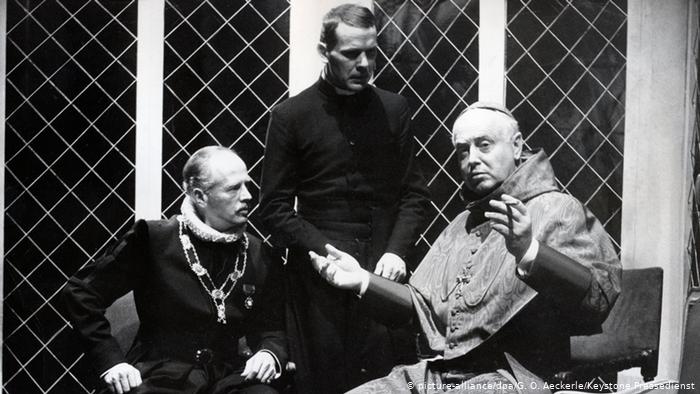
German playwright Rolf Hochhuth, who has died at the age of 89, became famous for his work addressing Pope Pius XII’s indifference to Hitler’s extermination of the Jews, which stirred up international controversy.
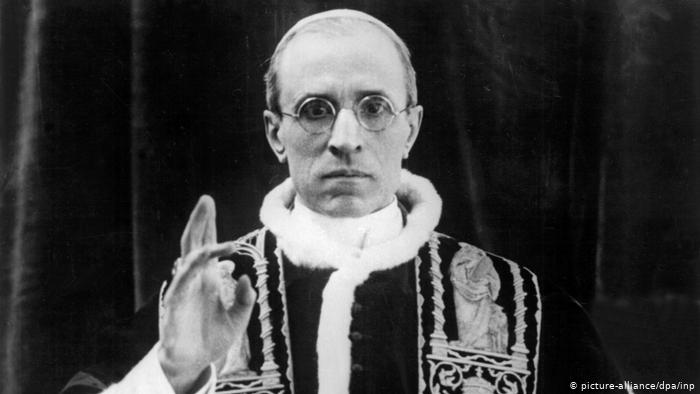
In The Deputy, Hochhuth looks into the inaction of the head of the Catholic Church, Pope Pius XII, (shown above) during the Holocaust. “A diplomat has to see and remain silent,” says the character of Pope Pius XII, the “deputy” of Christ on earth.
Born on April 1, 1931, Rolf Hochhuth had just turned 14 when the Americans invaded his hometown of Eschwege. It was a significant experience for the boy, who would later deal with National Socialism in his works.
In the 1960s, Hochhuth became one of Germany’s main representatives of so-called documentary theater — plays which combined facts from extensive research with fictional elements.
Rolf Hochhuth died on May 13, 2020
He was only 26 when he wrote the play that would make him famous: The Deputy, A Christian Tragedy. The publishing house, however, kept the play on hold for years before avant-garde theater director Erwin Piscator decided to stage it. It premiered on the Freie Volksbühne stage in West Berlin in February 1963, making the author world-famous.
Within the same year, the explosive play was produced again at different theaters in West Germany, as well as in Denmark, Finland, France, Sweden, Switzerland and the UK, where it was performed in London by the Royal Shakespeare Company.
Explosive accusations against the Vatican
In her essay from 1964, The Deputy: Guilt by Silence?,Hannah Arendt describes the play as “almost a report, closely documented on all sides, using actual events and real people, reinforced by 65 pages of ‘historical sidelights’ written by Hochhuth and anticipating nearly all arguments that have been raised against it.”
But many experts and Church authorities obviously didn’t agree with Hochhuth’s interpretation of the events, charging him of having written an anti-Catholic drama. It became the most controversial work of its time.
The Encyclopaedia Britannica, for instance, underlines in its entry on the Holocaust that Hochhuth’s depiction of the Pope during World War II “lacks credible substantiation.”
It goes on to add: “Though Pius’ wartime public condemnations of racism and genocide were cloaked in generalities, he did not turn a blind eye to the suffering but chose to use diplomacy to aid the persecuted. It is impossible to know if a more forthright condemnation of the Holocaust would have proved more effective in saving lives, though it probably would have better assured his reputation.”
For Arendt, the facts presented in the play were not the elements in dispute, as it had been historically established that the Pope had indeed been informed of the deportation and “resettlement” of the Jews and that he did not raise his voice in protest. In her view, the controversial point at issue was rather: “Is it true, as Hochhuth clearly thinks, that the Vatican would not have been silent ‘had there been a better Pope’?”
Still a burning question
The Deputy has since been produced in theaters in more than 80 cities worldwide, and the play has been translated into more than 20 languages.
In 2002, Greek-French director Costa-Gavras based his film Amen on Hochhuth’s play. The film, starring Ulrich Tukur, Mathieu Kassovitz and Ulrich Mühe, added more emphasis on the equally guilty passivity of the Allied powers, in particular the United States, through the character of the US ambassador to Italy who hid behind the passivity of the Vatican.
Why the Allies and the Catholic Church did so little to prevent the Holocaust even if world leaders knew about it remains an explosive question to this day.
Now researchers might come up a better understanding of Pius XII’s role during the Holocaust, as the Vatican opened its archives to historians last March.
Following the news of Hochhuth’s passing on Wednesday, Germany’s Central Council of Jews paid tribute to the author, stating that he had been a “courageous taboo-breaker” who “touched off an overdue debate in Germany” about the role of the Church during the Nazi period.
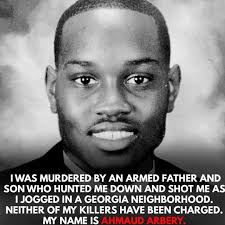
The two men accused of killing Ahmaud Abery in Georgia last February claim they were trying to complete a ‘Citzen’s Arrest.’ Now they are charged with murder and aggravated assault. The US Justice Department is investigating this cold blooded killing as a hate crime.
A ‘Citizen’s Arrest is equally as traumatic for the person who is subject to its abuse. Ahmaud Arbery lost his life. His family and friends will be grief stricken forever.
Wall Street Journal 5.13.2020
Defendants in Georgia case claim shooting happened during botched ‘citizen’s arrest,’ a concept that dates to the Middle Ages.
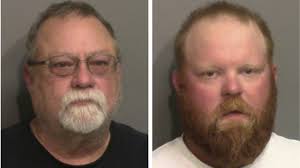
Accused murderers Gregory McMichael and Travis McMichael
The uproar over the shooting death of 25-year-old Ahmaud Arbery in Georgia is focusing fresh attention on the powers and dangers of private citizens taking law enforcement into their own hands.
Attempting a citizen’s arrest can be risky and expose intervening arresters to civil liability—for false arrest or personal injuries—or criminal sanction.
Under the doctrine of citizen’s arrest, private citizens in limited circumstances are allowed to assume the role of police and detain suspected criminals until they can be committed to custody. The legal concept traces back to the Middle Ages in England when local constables acting in the name of the king would cry out for assistance in apprehending a malefactor.
Gregory McMichael, 64, and his son, Travis McMichael, 34, were taken into custody Thursday evening and charged with murder and aggravated assault of Mr. Arbery, a black man.
The arrests of the two white men came more than 10 weeks after the shooting, prompted by the release of a graphic video showing the fatal encounter. Civil-rights activists, lawmakers and the Georgia Attorney General have called for a federal investigation into the handling of the case, with the U.S. Justice Department weighing potential federal hate-crimes charges.
In the video, the McMichaels are seen waiting for Mr. Arbery in a white pickup as he runs along a two-laned street. The McMichaels are armed with a .357 Magnum and a shotgun. After Mr. Arbery runs around the truck, he is approached by Travis McMichael. A struggle ensues, gunshots are heard and Mr. Arbery falls to the ground.
Under the doctrine of citizen’s arrest, private citizens in limited circumstances are allowed to assume the role of police and detain suspected criminals until they can be committed to custody.
The McMichaels told police they pursued Mr. Arbery because he resembled a suspected burglar and that in the course of trying to detain him as part of a citizen’s arrest, Mr. Arbery had violently attacked the son, according to a police report. It couldn’t be determined whether the McMichaels have an attorney.
Attorneys for Mr. Arbery’s family have said he was out jogging in a residential neighborhood outside the city of Brunswick in Glynn County when he was confronted by the McMichaels. Surveillance footage from the day of the shooting appears to show Mr. Arbery wandering around a residential construction site. The attorneys said Mr. Arbery wasn’t armed and didn’t take part in any felony, calling the killing an unjustified murder.
Most states, including Georgia, have statutes codifying the scope of citizen’s arrest, while others base the right on common law.
Georgia’s law states that a private person may arrest an offender “if the offense is committed in his presence or within his immediate knowledge.” The rules are broader for felonies. For more serious crimes, a citizen doesn’t need to witness the offense to pursue and detain the suspect but must have at least reasonable and probable cause to believe that the offender committed a felony and is trying to escape from lawful detention.
In making a proper citizen’s arrest, a person can use lethal force if confronted with a deadly threat or if urgently necessary to prevent a forcible felony, such as an armed robbery or murder, according to Georgia judicial rulings.
Ira Robbins, a criminal law professor at American University Washington College of Law, said the facts that have come out so far suggest any justification for the shooting would most likely rely on a claim of self-defense in the course of a proper citizen’s arrest. As a “stand your ground” jurisdiction, Georgia allows someone threatened with great bodily harm to use deadly force to protect themselves against an aggressor without any obligation to retreat from the confrontation.
But if the attempted citizen’s arrest of Mr. Arbery was improper, then the defendants were the initial aggressors and “their self-defense claim would fall like a house of cards,” said Prof. Robbins.
The numbers of citizen’s arrests around the country aren’t known. The most common scenarios involve security guards and store owners detaining shoplifters, or police officers acting without a warrant outside their jurisdictions when in hot pursuit of suspects.
Courts in Georgia have heard numerous disputes involving claims against citizen arresters.
In 2005, for instance, the state’s highest court examined the case of a convenience store owner convicted of murdering a man outside a storage room previously targeted by thieves. On the night in question, the owner and another customer heard voices outside the store and the sound of breaking plywood. Armed with a pistol, the owner yelled halt. After a few minutes of silence, he fired three times, striking the victim in the head on the other side of a plywood covering.
The defendant “did not attempt to restrain the victim; rather, he shot and killed him minutes after commanding him to halt,” stated the Georgia Supreme Court, affirming the conviction. A judge in a concurring opinion noted there was “no evidence from which one can infer that the intruder intended to steal more than $500 worth of beer and thereby commit felony theft.”
Some citizen’s arrests are less controversial. In 2015, a customer at a bank in Cobb County, Ga., noticed a man passing a demand note to a teller and walking out with money. The customer raced to his car, grabbed a handgun and caught up to the suspect before he could escape, ordering him to the ground until police could arrive, according to the Atlanta Journal-Constitution and other local reports. The customer was hailed as a good Samaritan.
Every Picture (Video) Tells a Story – Ongoing Series
I watched the clip of Trump storming off the lectern after being pointedly questioned by a CBS News reporter. See for yourself.
And this Moron is President??
Daily Beast 5.12.2020
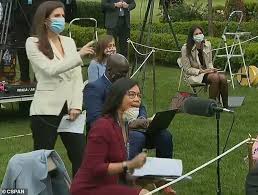
Monday in a Rose Garden, flanked by a giant Bluth family-style banner that declared both that “AMERICA LEADS THE WORLD IN TESTING” and that nobody in the Trump administration knows anybody who is good at graphic design, President Trump took questions from the press on the ongoing disaster that has been his administration’s response to the global COVID-19 pandemic. CBS News’ Weijia Jiang, referencing the banner, asked “Why does that matter? Why is this a global competition to you if everyday Americans are still losing their lives and we’re still seeing more cases every day?”
The hamsters in the president’s brain huffed and puffed as they raced to their wheels and fired up his Comeback Generator. All of the blood rushed to his head at the same time. This was going to be a good one, as deep within the exhaust-folds of his face, the president’s beady little eyes lit up. “Why don’t you ask China?” he snapped.
Jiang lowered her face mask and followed up by asking why, specifically, Trump would ask her that question. Trump then called on another reporter, CNN’s Kaitlan Collins, who, in either a shocked or classy move, yielded the microphone to her fellow journalist. Jiang continued to follow up.
Collins then tried to ask her question, and Trump stormed out of the press conference like a real tough guy. It was refreshing to see White House press corps members stand up for each other, or at least give each other space to confront the president’s insistent unreality.
Trump has unleashed the violent mob with his obscene attacks on his opponents and policies. America is now reaping the whirlwind of this incompetent and dangerous man in the White House.
Recently I posted the New York Federal Reserve Study which likened the Pandemic of 1918 to the current Coronavirus. The Study found ample evidence that the rise of Nazism in Germany in the 1920′ and ’30s was a direct result of the 1918 Pandemic.
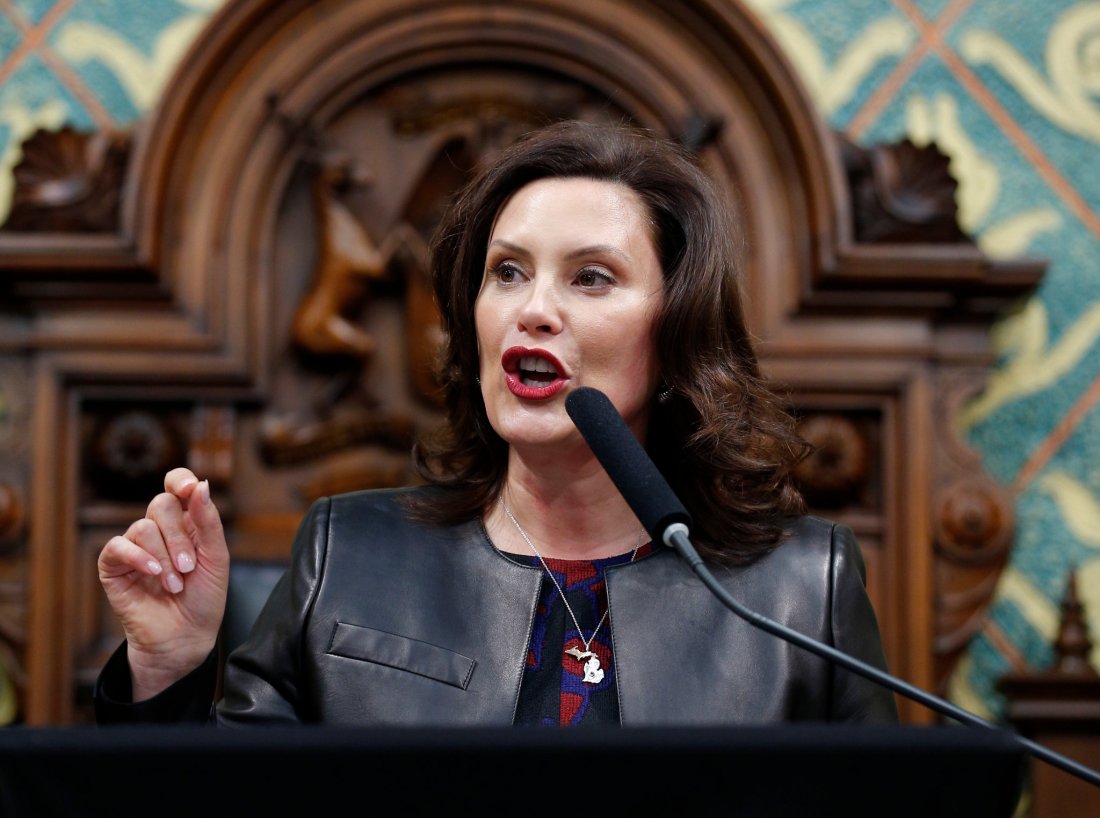
Dozens of angry Michiganders, fueled by conspiracy theories and disinformation about the coronavirus, are promoting violence and mobilizing armed rallies against Gov. Gretchen Whitmer on Facebook, in violation of the social media company’s policies.
Metro Times gained access to four private Facebook groups that can only be seen by approved members. The pages, which have a combined 400,000 members, are filled with paranoid, sexist, and grammar-challenged rants, with members encouraging violence and flouting the governor’s social-distancing orders.
On Sunday, after being contacted by Metro Times, Facebook removed one of the groups, Michigan United for Liberty, and deleted posts on others for violating the company’s policy against inciting violence. Facebook announced last month that it will remove groups and events that encourage people to defy social-distancing measures. Facebook also is investigating the other groups.
“We removed one group for violating our policies and will remove any other violations as we continue our review,“ a Facebook spokesperson tells Metro Times.
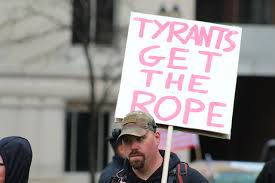
Assassinating Michigan Governor GretchenWhitmer is a common theme among members of the groups. Dozens of people have called for her to be hanged.
“We need a good old fashioned lynch mob to storm the Capitol, drag her tyrannical ass out onto the street and string her up as our forefathers would have,” John Campbell Sr. wrote in a group called “People of Michigan vs. Gov. Gretchen Whitmer,” which had nearly 9,000 members as of Monday morning.
Steve Doxsie had the same idea: “Drag that tyrant governor out to the front lawn. Fit her for a noose.”
“Either President Trump sends in the troops or there is going to be a midnight lynching in Lansing soon,” Michael Smith chimed in.
Others suggested she be shot, beaten, or beheaded.
“Plain and simple she needs to eat lead and send a statement to the rest of the democrats that they are next,” James Greena, of Fennville, wrote.
Chris Rozman said, “She needs her ass beat. Most of these politicians need a good ass whooping. Just. Punch there lights out.”
When someone suggested the guillotine, Thomas Michael Lamphere responded, “Good ol’ fashioned bullets work better, but I like the enthusiasm.”
“Wonder how long till she’s hit with a shotgun blast,” Chris Parrish wrote.
Matthew Woodruff had another idea: “Can we please just take up a collection for an assassin to put that woman from Michigan down,” he asked.
The comments are especially disturbing because some of those calling for violence are planning to attend an armed rally at the Capitol building in Lansing on Thursday. On April 30, hundreds of protesters, some of them heavily armed, descended on the state Capitol during the “American Patriot Rally,” and there were armed protesters as part of “Operation Lansing” on April 15. A two-day rally is also planned for the weekend.
“We could’ve taken over the capital last time if we wanted,” Chris Coffey said. “This was just a display. Next time won’t be!”
“If she thinks the last protest was bad she hasn’t seen anything yet,” DonnaCookie Grady warned.
“We haven’t had any bloodshed yet, but the populous is counting to three, and the other day was two,” Dave Meisenheimer wrote in Michiganders Against Excessive Quarantine, which has more than 385,000 members. “Next comes watering the tree of liberty with the blood of tyrants.”
Gordon Chapman says he’s going to the Thursday rally and hopes demonstrators are “armed to the teeth.”
“Voting is too late we need to act now,” Chapman said.
The potential for violence prompted some public officials, including Whitmer and Attorney General Dana Nessel, to promote banning firearms from the Capitol building.
“There are legislators who are wearing bulletproof vests to go to work,” Whitmer told ABC News last week. “No one should be intimidated by someone who’s bringing in an assault rifle into their workplace.”





 Lee's Perspective