
SAN FRANCISCO
Lee Heidhues 3.2.2026
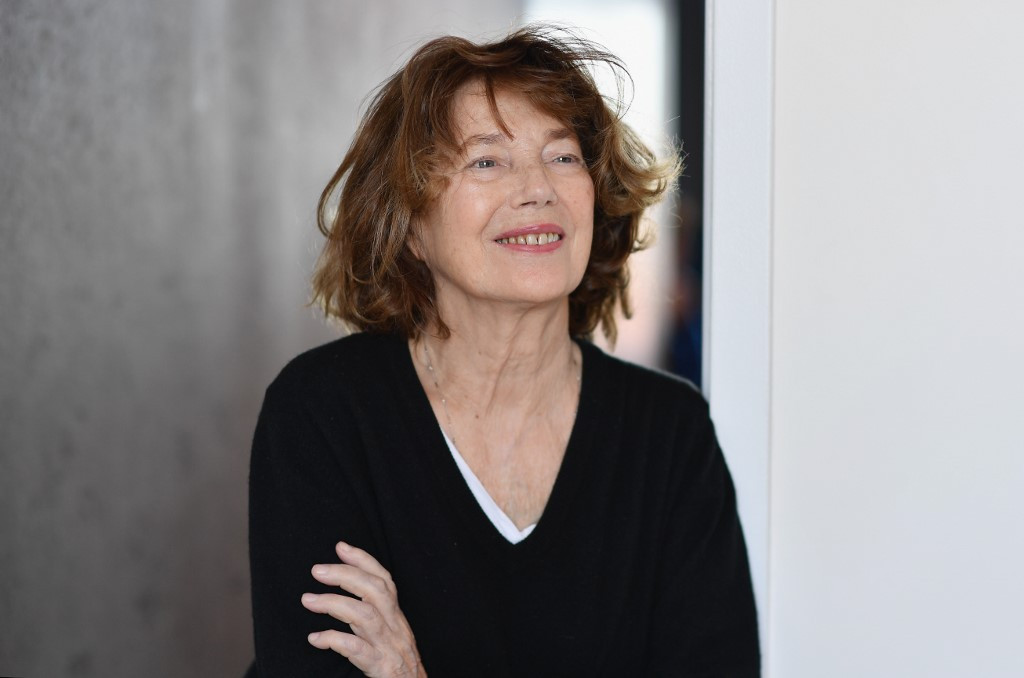
I first learned about Jane Birkin https://en.wikipedia.org/wiki/Jane_Birkin decades ago while staying at the Hotel Schriersteren in the Red Light District of Amsterdam.
Her famous, or notorious, duet with her long time partner and collaborator Serge Gainsbourg J’Taime was a staple on the hotel’s juke box.
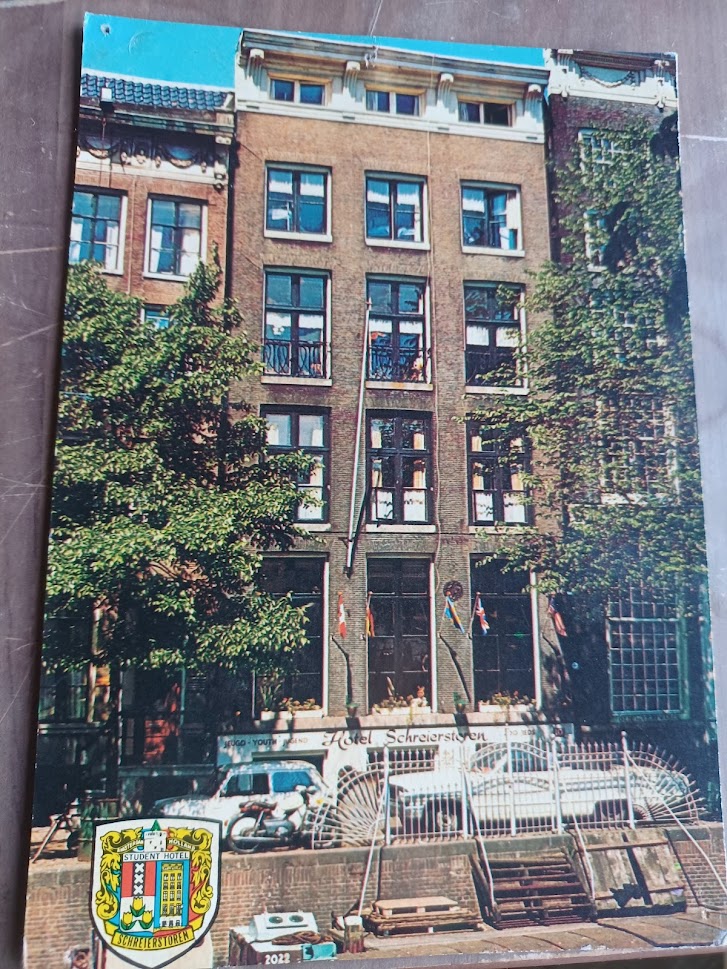
Hotel Schreiersteren – Amsterdam
Jane Birkin went on to have quite a career of her own. The New Yorker encapsulated her life in a piece after her death
Excerpted from The New Yorker 9.15.2025
She possessed a mysterious charisma and a seemingly effortless sense of style. Both obscured her relentless, often painful search for meaning.
In Agnès Varda’s film “Jane B. par Agnès V.,” from 1988, a nearly forty-year-old Jane Birkin, dressed in jeans, a white T-shirt, and a tweed blazer, her messy brown hair pinned back, sits in front of the Eiffel Tower and dumps out the contents of her purse. The purse, which she helped design, is named for her: it’s the Birkin bag, by Hermès, one of the most famous accessories in the world. Inside are loose papers, notebooks, a tube of Maybelline’s Great Lash mascara, a copy of Dostoyevsky’s “The Gambler,” a Swiss Army knife, pens and markers, a roll of tape. “Well,” Birkin says, in heavily accented French, “did you learn anything about me from seeing my bag?” Then a grin: “Even if we reveal everything, we don’t show much.”
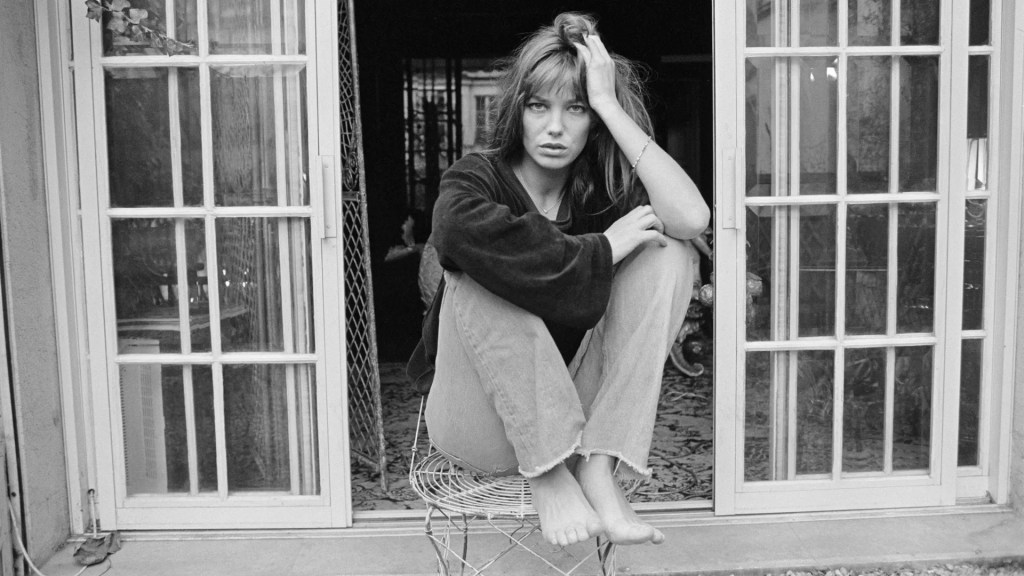
Throughout “Jane B.,” Varda draws attention to the elusiveness of her subject. Birkin, a British-born actress and singer best known, then as now, for the raunchy pop songs she recorded with her lover Serge Gainsbourg, comes across as both open and enigmatic, singular in a way that is hard to parse. Her beauty is undeniable, but its borders are vague. Proud of her own eccentricity, she is also shy and awkward, with the voice of a little girl—hushed, rushed, and airy. Varda dresses her up as Joan of Arc, Caravaggio’s Bacchus, the Virgin Mary, a cowboy, and a flamenco dancer, as if to suggest that Birkin’s mystery is itself a symbol, one as important to modern culture as Renaissance painting and the mother of Christ.
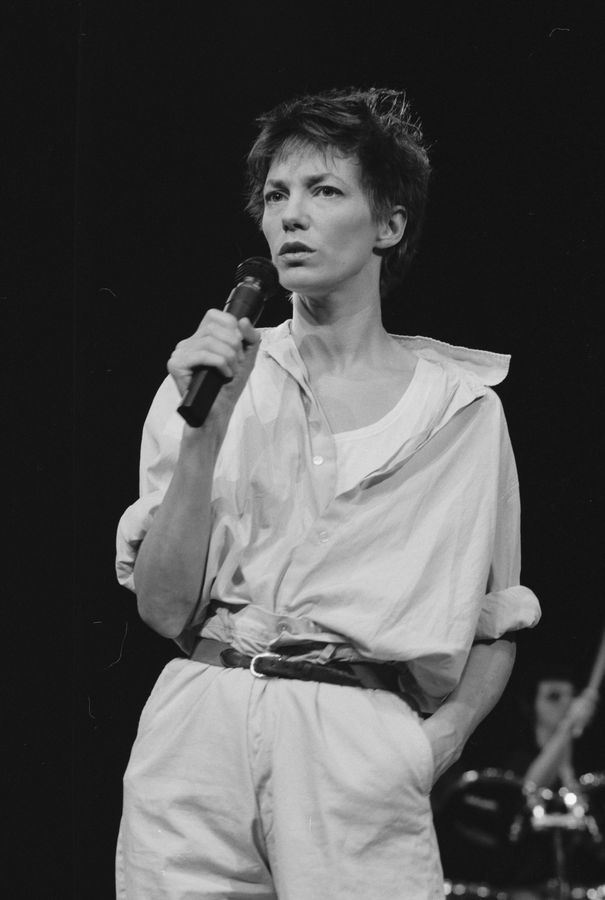
Birkin, who died in 2023, had “it”: an undefinable, unmistakable glamour that shifts our collective sense of what’s cool, or at least of what’s worth paying attention to. Easily mingling English reserve and European sensuality, she had a sweetness that set her apart from contemporaries such as the bombshell Brigitte Bardot or the edgier Anna Karina. “She wasn’t a hippie,” the journalist Marisa Meltzer writes in her new biography, “It Girl: The Life and Legacy of Jane Birkin” (Atria), “but rather a rising star from the upper class,” someone who radiated privilege even when she dressed down. One of the first celebrities to be regularly photographed in her everyday clothes, Birkin was an early icon of street style, traipsing around Paris in sneakers and rumpled sweaters, wicker basket in hand. The outfits could be easily mimicked and therefore easily marketed. Today, when social-media influencers praise “the French-girl look”—wispy bangs, minimal makeup, bluejeans, marinière tops—the look they have in mind is hers.
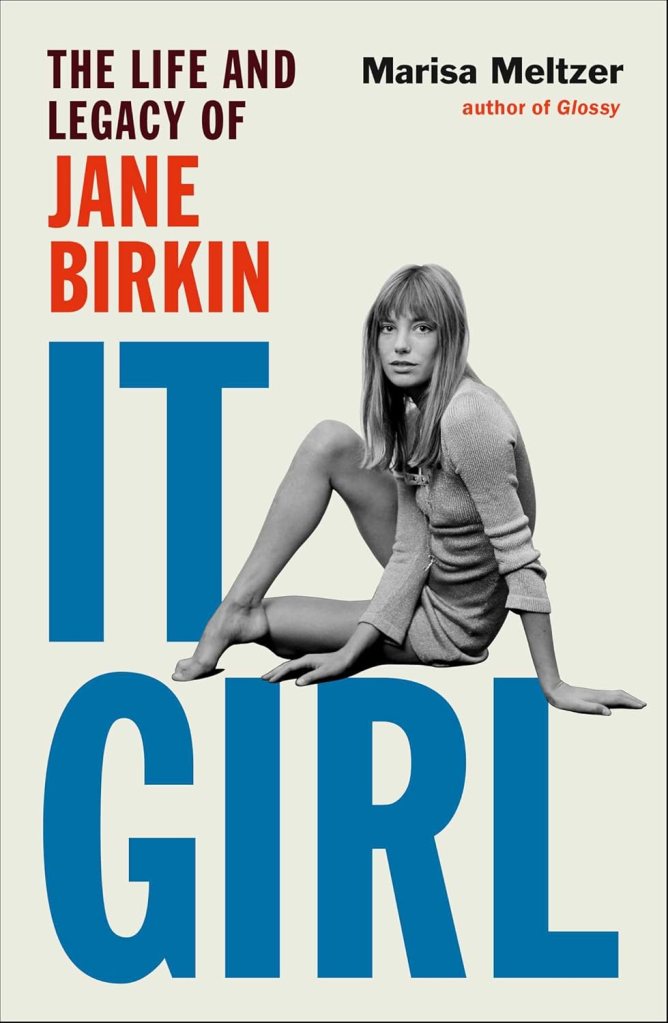
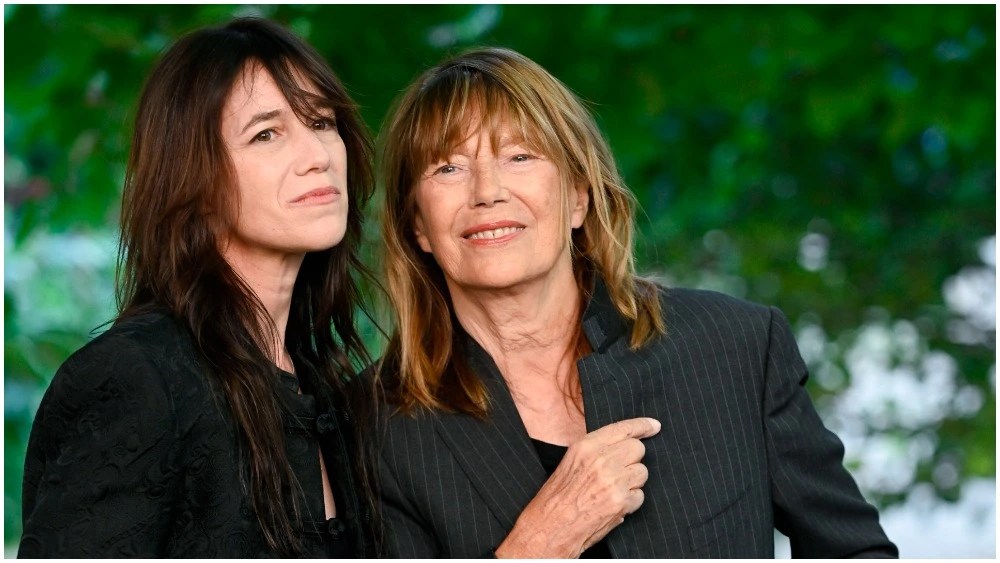
Birkin, Meltzer writes, was “nonchalance personified.” If this was not exactly an illusion, neither was it the whole story. A lifelong depressive, Birkin often thought about—and at least once attempted—suicide. Her diaries, two volumes of which have been published, reveal a wonderful writer, lyrical and self-lacerating. They also reveal her struggles with the costs and compromises of the It Girl role, how it left her feeling as though she had—as she puts it in Varda’s film—“no exceptional talents” to offset her fast-fleeting youth. What Birkin did have is je ne sais quoi, to her misfortune as much as to her advantage. After all, being famous for your ineffable qualities is perilously close to being famous for no reason.










 Lee's Perspective