The blogger posted the results of the Sunday election in which the extreme right wing AfD harvested nearly 44 percent of the vote in the state election for Saxony-Anhalt.
A result which has created a political firestorm in Germany and beyond.
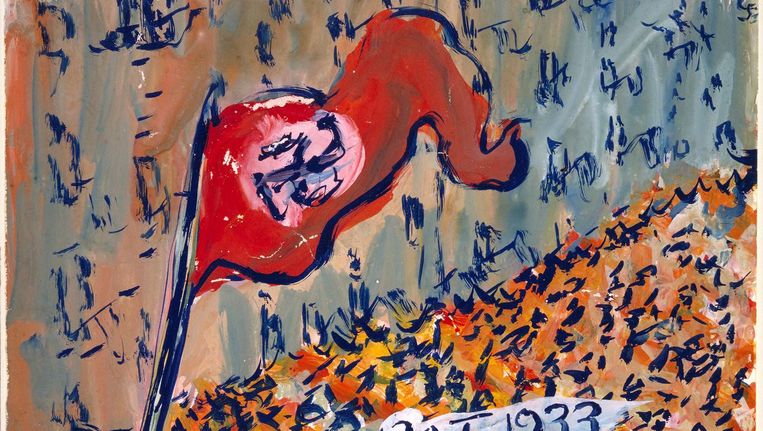
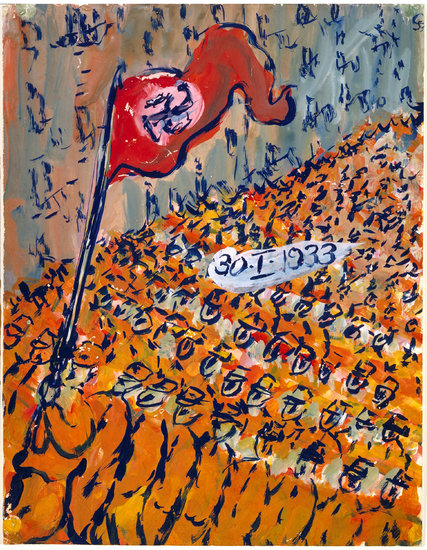
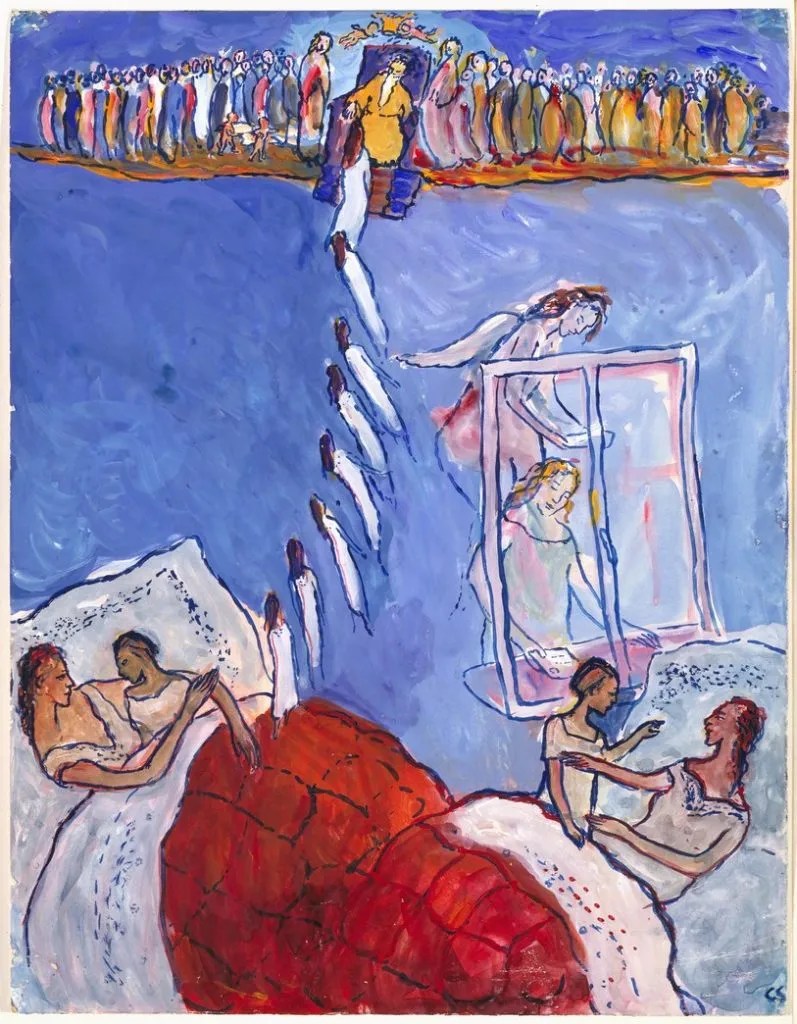
In the blog is included a piece of art by Charlotte Salomon “30.1.1933”. January 30, 1933. The day The Nazis swept into power.The blogger wanted to learn more about this ill-fated artist who came from a wealthy Jewish family and was murdered by the Nazis at Auschwitz in 1943. Her artwork lives on forever. Were she alive today Charlotte Salomon may have updated the painting with an AfD banner and the date 6.9.2026. (September 6th 2026).
Not since the Nazi Thousand Year Reich ended in Hitler’s bunker in May 1945 and Germany climbed out of the ashes has a far right, some would say Neo-Nazi party, gained such popularity.
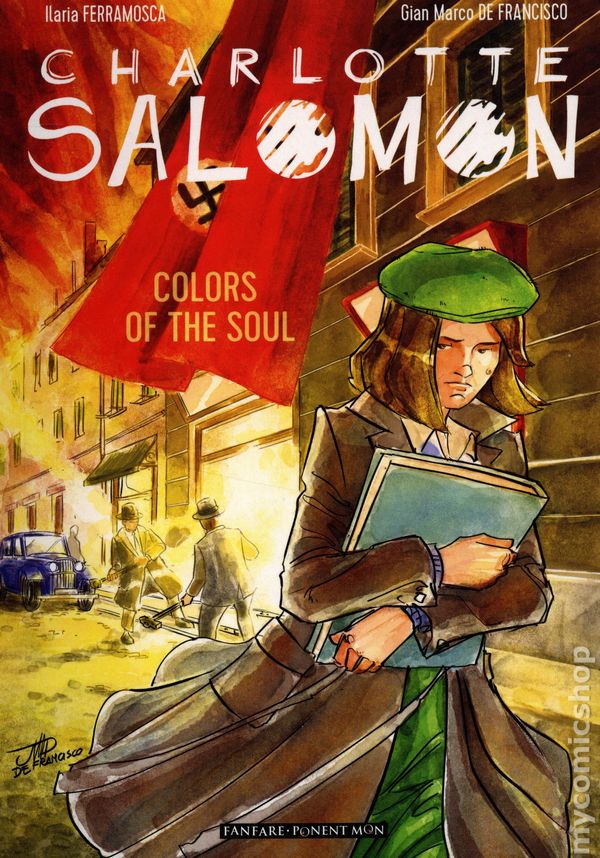
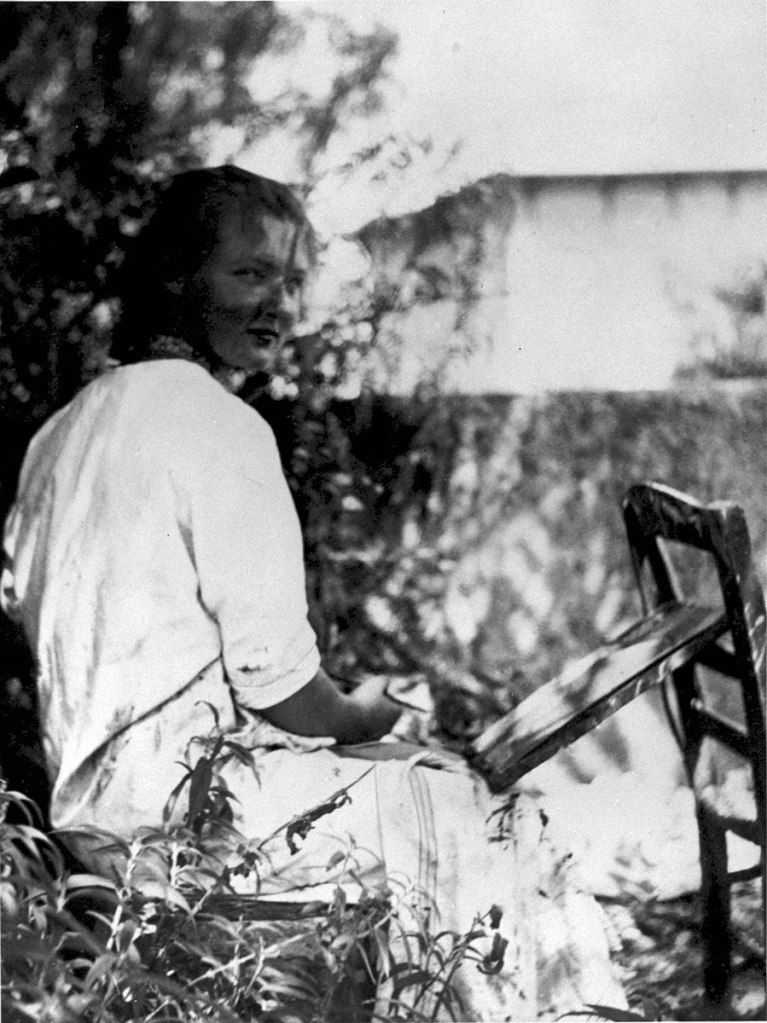
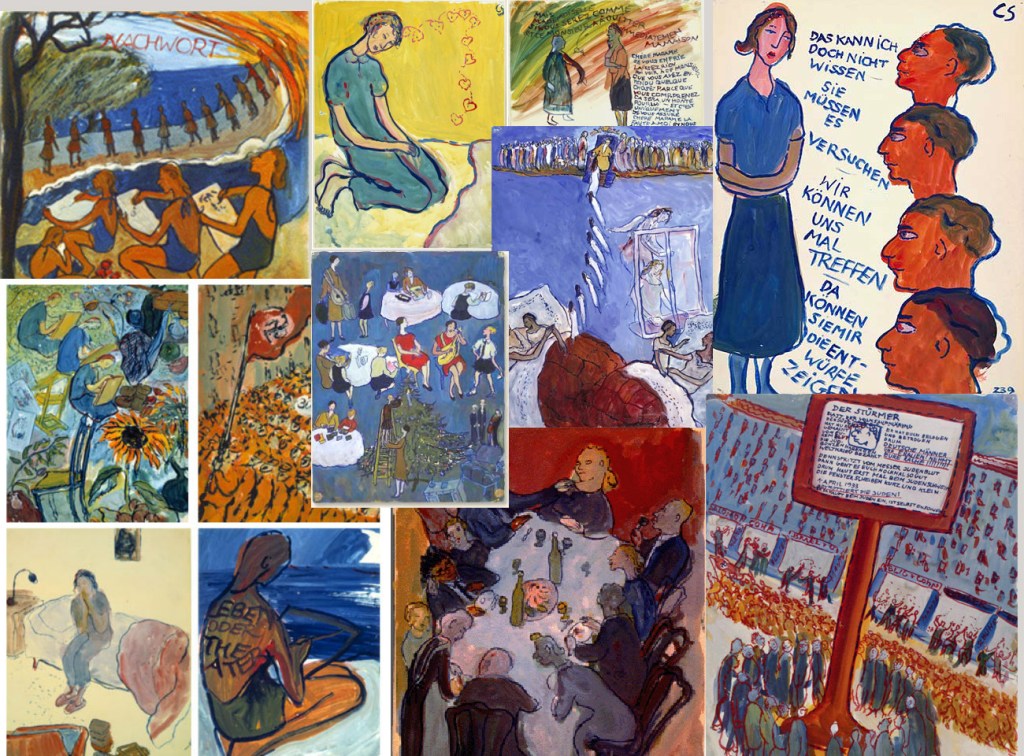
Charlotte Salomon (16 April 1917 – 10 October 1943) was a German-Jewish artist born in Berlin. She is primarily remembered as the creator of an autobiographical series of paintings Leben? oder Theater?: Ein Singspiel (Life? or Theater?: A Song-play), the largest known artwork made by a Jewish person who died in the Holocaust,[1] consisting of 769 individual works painted between 1941 and 1943 in the south of France, while Salomon was in hiding from the Nazis. In October 1943 Salomon, 5 months pregnant at that time, was captured and deported to Auschwitz, where she was murdered by the Nazis soon after her arrival.[2][3][4][5] In 2015, a 35-page confession by Salomon to the fatal poisoning of her grandfather, kept secret for decades, was released by a Parisian publisher.[6]Charlotte Salomon – Wikipedia
Charlotte Salomon’s life was recounted in an animated feature film released in 2021. Appropriately titled CHARLOTTE. It is a beautiful piece of cinematic animation.
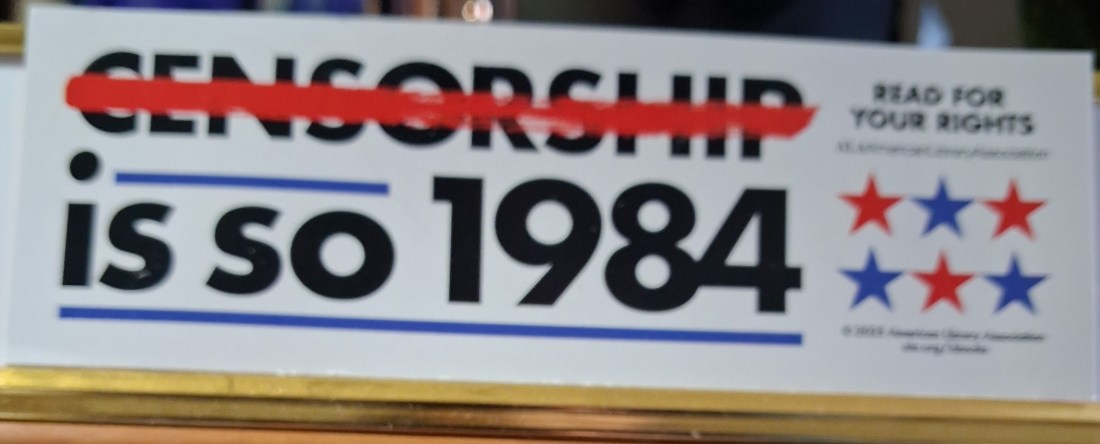
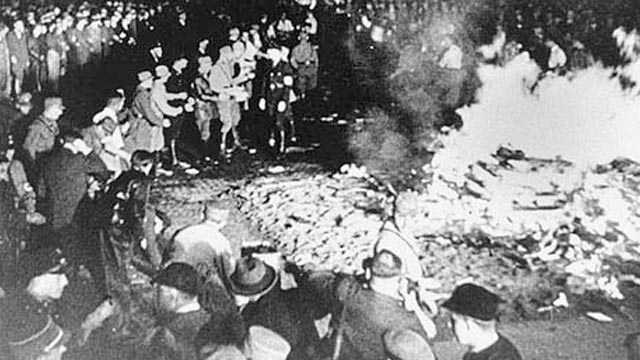
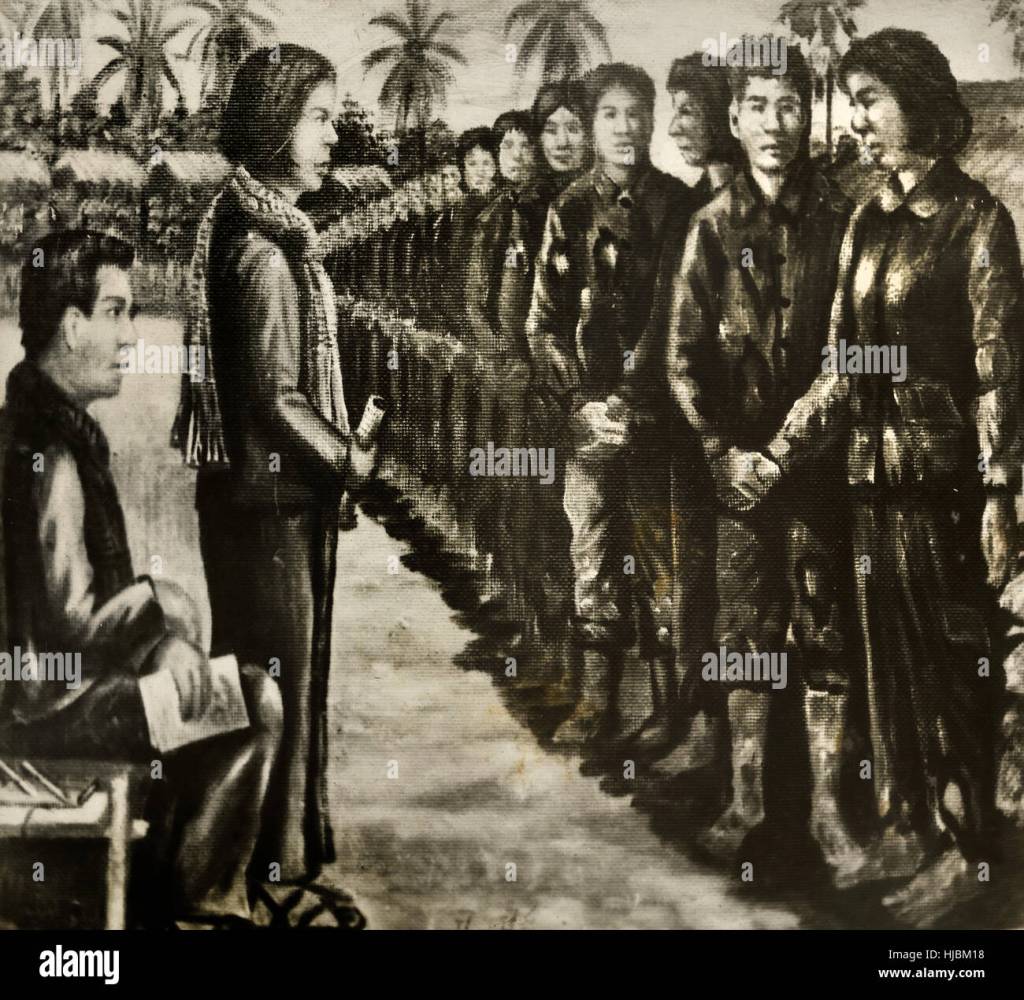
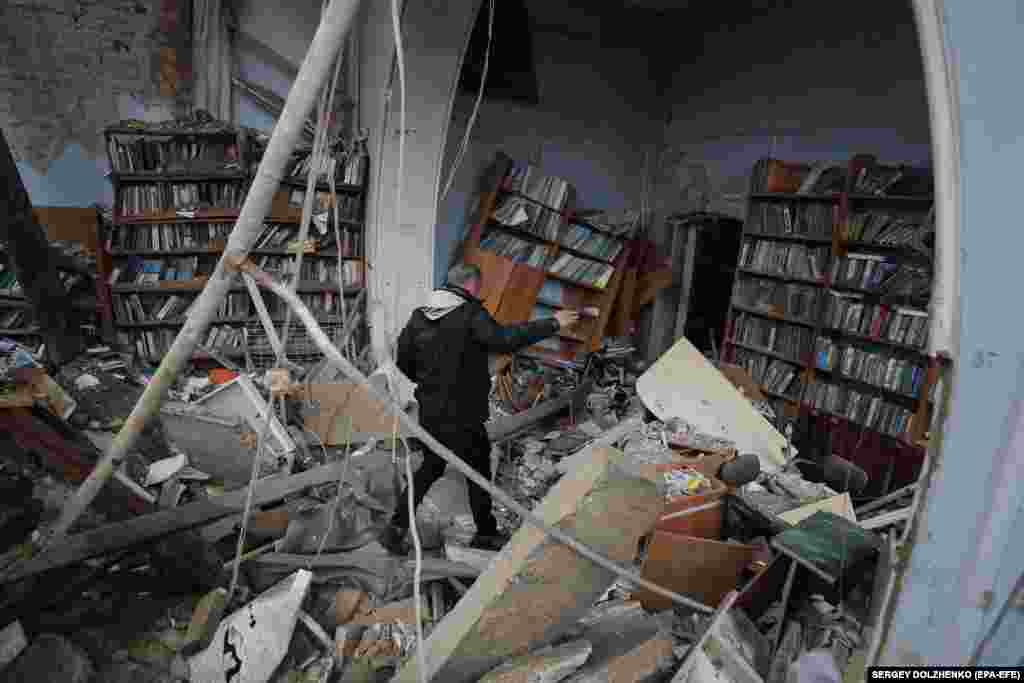
Censorship and book burning are a sad historical phenomena. Recent history has found this activity in countries around the world. Nazi Germany, the Khmer Rouge in Cambodia and Russian obliteration of Ukrainian libraries.
America is not immune. The House Un American Activities Committee (HUAC) strove to ban books in overseas libraries which were deemed “too Communist” and “nonconformist”. Even in the midst of the 21st century certain localities in America have successfully moved to ban books from libraries and schools.Book Bans – PEN America
American Book Banning: Trends, Causes, and Impact
Book banning in the United States has surged in recent years, with both schools and public libraries facing unprecedented levels of censorship.
Scale of the Problem PEN America’s 2025 report found 6,870 book bans enacted in the 2024–25 school year across 23 states and 87 public school districts, affecting nearly 2,600 authors, illustrators, and translatorsPEN America. This is the highest number of bans in a single school year ever recorded. The American Library Association (ALA) documented 4,235 unique titles challenged in 2025, with 5,668 books actually banned from libraries, plus 920 restricted through access controls American Library Association. These bans disproportionately target works by authors of color, LGBTQ+ authors, and books addressing racism, sexuality, gender, and history PEN America+1.
Who Is Driving the Bans ALA data shows that 92% of challenges in 2025 were initiated by pressure groups, government officials, or decision-makers, not individual parents American Library Association. This reflects a coordinated political and activist push to influence school and library curricula.
Bibliocide—attacks on the written word—is a common tactic of totalitarians and terrorists. The Nazis burned books in Germany in the 1930s, as did the Khmer Rouge in Cambodia in the 1970s. Bosnian Serbs destroyed Sarajevo’s National and University Library in 1992, and in 2015 ISIS devastated Mosul Central Library.
During the Khmer Rouge regime (1975–1979), the government carried out a systematic campaign to destroy books, newspapers, and other printed materials as part of its broader cultural and political purge. This was part of Pol Pot’s “Year Zero” policy to erase Cambodia’s pre-1975 history, culture, and intellectual life, replacing it with a Maoist-inspired agrarian socialist society
The Ukrainian Culture Ministry says Russia has damaged or destroyed 906 libraries since 2022. Numerous cases of book burning and library sacking have been documented. Among them: In 2022 the Petro Mohyla Church library was burned in Mariupol. Books were burned in Rovenky in 2023. Yulia Kakulia-Danyliuk, a librarian in Kapytolivka, has described the destruction in that village: “Everything was smashed and broken, books were scattered everywhere. There was filth.”
Kapytolivka holds particular significance, having been home to Volodymyr Vakulenko, a poet and children’s book author, who was abducted and murdered by Russian troops in 2022. When the librarian returned after the village’s liberation, only 4,500 of 16,500 books remained. She found books on Ukrainian culture and history in the toilets, covered in human waste. “All of them had been soiled. That was done deliberately.”
Oleksandra Matviichuk, head of the Center for Civil Liberties (which was awarded the 2022 Nobel Peace Prize), describes the destruction of books as “part of a broader genocidal policy of Russia. We know from history that the burning of libraries accompanied genocides throughout the centuries as an erasure of someone else’s identity. Putin openly says that there is no Ukrainian nation, no Ukrainian language, no Ukrainian culture.”
In America the book burning mania took hold in the early Cold War era.
HUAC and the Era of “Book Burnings”
During the 1950s, the House Un-American Activities Committee (HUAC) and other anti-communist forces in the U.S. government were linked to reports of book burnings at American-funded overseas libraries. These libraries, numbering about 230 and holding nearly two million books, served millions of visitors annually and were intended to present a “balanced” view of the United States The New Republic.
The Context
HUAC’s role: Established in 1938, HUAC targeted alleged communists and “subversive” activities. While it investigated individuals, its influence extended to shaping cultural and informational policy abroad Wikipedia.
Overseas libraries: Originally founded in Latin America in 1942–43 to model public libraries abroad, they emphasized free access to all printed materials. By the Eisenhower era, their purpose had shifted toward promoting U.S. perspectives and discouraging “non-conformity” The New Republic.
Targeted content: Books deemed “too communist” — including works by or about communists — were removed from shelves. This included literature banned under dictatorships the U.S. had fought against, such as in Germany, Austria, Japan, Korea, and Trieste The New Republic.
Political Backing
Eisenhower administration: Reports indicated that State Department directives, sanctioned by Secretary of State John Foster Dulles, ordered U.S. libraries abroad to remove such books. President Eisenhower publicly distanced himself from these orders, but his administration’s actions were tied to HUAC’s anti-communist agenda The New Republic.
McCarthyism: Senator Joseph McCarthy, though not directly involved with HUAC, was part of the broader anti-communist climate that enabled such censorship Intellectual Freedom Blog.
The 1960’s radical movement thankfully never went away.
Depending on your retrospective walk through American history in the 1960’s and ’70s ‘Progressives’ are thought of as either forward looking progressives determined to upend the System. Or spoiled rotten kids who didn’t appreciate the good things about the consumer driven money making post World War II era in which their parents participated in.1
Zayd Ayers Dohrn was unwittingly and unknowingly raised and nurtured in the maelstrom of 1960’s politics. And seems to have landed with both feet firmly in the camp of realistic thinkers without having forsaken his upbringing.
Excerpted from The Wall Street Journal ‘Review’ Joseph Epstein – 5.29.2026
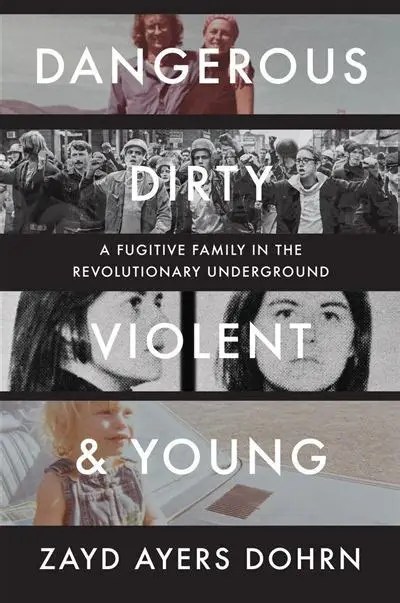
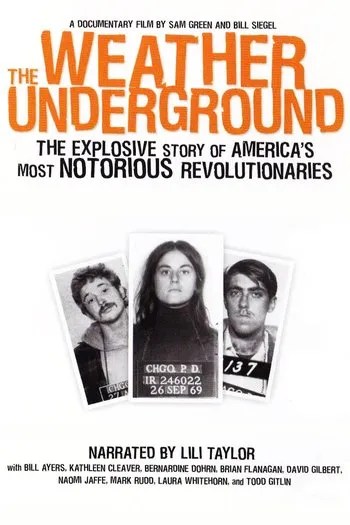
What’s in a name? Consider the name of Zayd Ayers Dohrn, the author of “Dangerous, Dirty, Violent, and Young.” His first name derives from that of Zayd Shakur, the minister of information of the East Coast Panthers, a radical group formed in the late 1960s. Ayers was his father’s name, his father being William Ayers, a leader of the Students for a Democratic Society (SDS), a founder of the terrorist group the Weather Underground and a relentless organizer on behalf of revolution. Dohrn was his mother’s name, and she, Bernardine Dohrn, was a fellow member of the Weather Underground, as well as the fourth woman to appear on the FBI’s 10 Most Wanted List. Quite a bit, it would seem, can be in a name.
The subtitle of Zayd Ayers Dohrn’s book is “A Fugitive Family in the Revolutionary Underground.” Reading it, I was more than grateful for the ticket I had drawn in the parent lottery. Throughout his book, Mr. Dohrn, who was born in 1977, wonders how much he, his younger brother and his foster brother really meant to their parents. As a child he feared, and he reports he fears still, that next to their commitment to revolution, perhaps not all that much.
The book offers an account of both of his parents’ revolutionary careers. Neither was brought up in a radically political family. Both came to their politics in their early adulthood.
His mother, whom J. Edgar Hoover would call “the most dangerous woman in America,” was born into a middle-class home and grew up in a suburb north of Milwaukee. Strikingly good-looking and an excellent student, she went off to college at Miami of Ohio, where she was rejected by every sorority on campus because she was Jewish. Doubtless this rejection set her off on her political path.
Soon, the author explains, Ms. Dohrn transferred to the University of Chicago, where she fell in with the political faction among the students. (Bernie Sanders, later a firebrand senator, attended at the same time.) She went on to law school, though at the time she had little interest in a legal career. She would work with Martin Luther King Jr. on his rent strike in Chicago and, her son reports, had a single magical meeting with Muhammad Ali.
Ms. Dohrn would later have a hand in planning the student riots in Chicago in 1968. “I consider myself a revolutionary Communist,” she declared when she was elected to the SDS national board that year. “There’s no way to be committed to nonviolence,” she said, “in the middle of the most violent society history has ever created.” Her hatred for America was unqualified.
William Ayers grew up in the middle-class Chicago suburb of Glen Ellyn, the son of a high-level executive at Commonwealth Edison (he would eventually become its Chief Executive Officer). In 1963 Mr. Ayers went off to college at the University of Michigan, at the time the residence of the political organizer Tom Hayden and the scene of the founding of SDS. Not political before then, Mr. Ayers began showing up at protests. Soon he quit his fraternity and not long after dropped out of school.
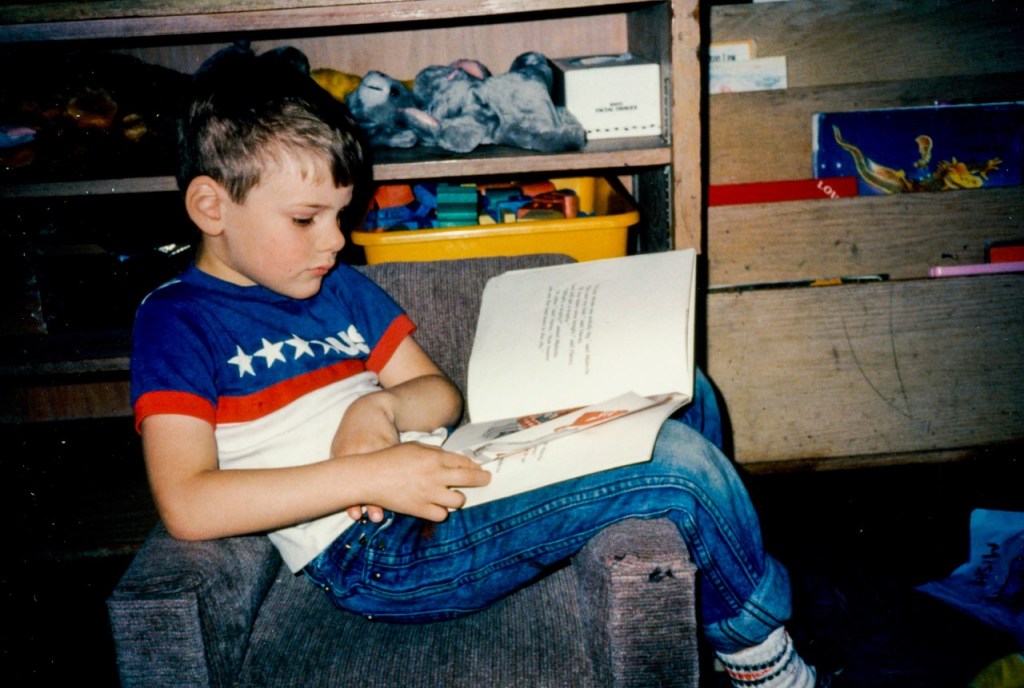
The young Chesa Boudin
They didn’t marry until 1982, when Ms. Dohrn was 40 and Mr. Ayers was in his late 30s. They settled in Hyde Park, Chicago, where they also raised Chesa Boudin, the son of Kathy Boudin and David Gilbert who were serving long prison terms.
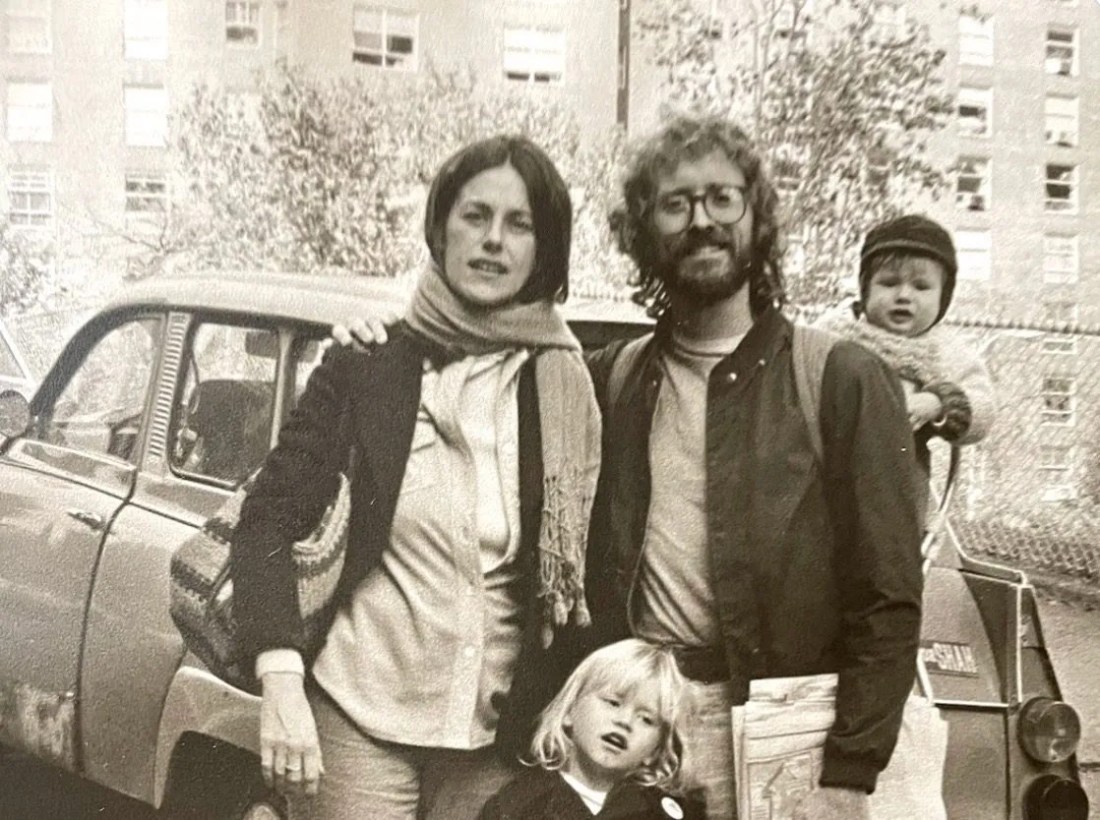
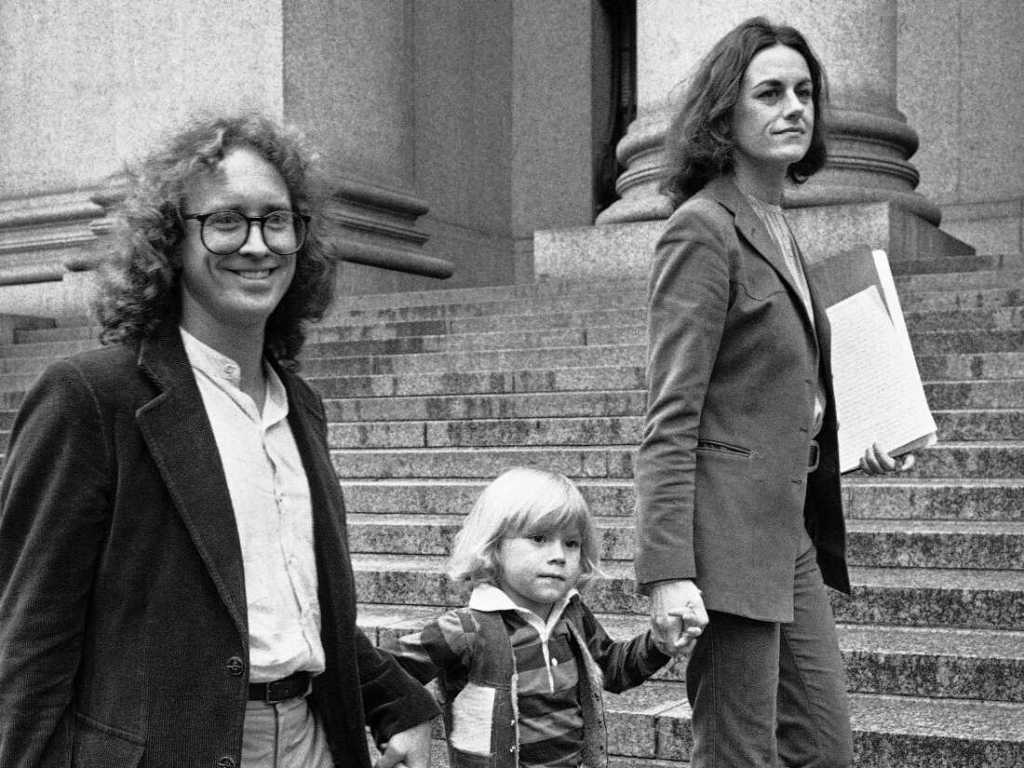
Former Weather Underground member Bernardine Dohrn walks with friend Bill Ayers and an unidentified child outside the Federal Court Building in New York, May 17, 1982. The couple refused to identify the child. Dohrn refused to cooperate with a Federal Grand Jury investigating on October’s bloody Brink’s robbery in Rockland County. (AP Photo/David Handschuh)
“You don’t need a Weatherman to know which way the wind blows.”
I finished Katie Kitamura’s ‘Audition’. It certainly is a dark story. I am still trying to make sense of it. I can only conclude the unnamed narrator decides at the conclusion of this short 197 page story, “I can’t take it anymore.”
Particularly since the plot line has two distinctive threads. In the first half of the story the narrator, an accomplished stage and screen actress, establishes a relationship with a young man, Xavier. He claims to be the narrator’s son. He most definitely is not as the story unspools.
In the story’s second half Xavier is indeed the narrator’s son in a quick and jarring juxtaposition in the story line. He returns home to live with his mom, the narrator, and his father, Tomas. The entire relationship inevitably collapses. I must read ‘Audition’ a second time. It’s not so much that the story is difficult to follow, particularly in the second half.
What’s challenging is the relationship with her son Xavier, the narrator is dissecting. Why would the narrator know Xavier is not her son in the first half of the story. When in the second half, Xavier is portrayed as the son and proceeds to destroy the entire family relationship.
Xavier’s father Tomas is an integral part of this mind bending story. Initially Tomas is the strong, elusive, silent parent who welcomes Xavier home. But when Xavier precipitates the ruination of the family unit the father Tomas is a willing collaborator. He is both psychologically and physically battered in the end.
Part of which has to do with the eerie demonic Hana who moves into the New York City apartment with Xavier and his parents. The narrator has a very frosty relationship with Hana from the outset. While Tomas is obviously smitten in a way which leads to a very perverse denouement.
This is the kind of dark story which would benefit by Katie Kitamura concluding the novel with an essay about the thought process which went into the creation of this novel. The development of the plot and characters.
Katie Kitamura’s novels, and I have read several, are different in the sense the protagonist is never named. There are never any quotation marks. The sentence construction is often disjointed which ads to the fascination with her writing style. Katie Kitamura’s books are best digested in a quiet contemplative setting, Because the story lines are invariably so deep. ‘Audition’ in particular
The nuts and bolts of ‘Audition’ are straight forward.
It’s the psychological impact which merits a lot of scrutiny. And for the simple literary consumer there’s a lot to digest in ‘Audition’. As there is with the narrator who concludes without saying it, “I can’t take it anymore.”
After 22 percent of my neighbors (179allegedly intelligent people) in our precinct voted for Trump I have been thinking hard about what the future will bring on January 20, 2025.
Trump was President in 2019 when I posted a story about “The Third Reich of Dreams: How Dreams Change Under Authoritarianism.” Well, terrifyingly here we are again. In America and in my very own neighborhood in a City which likes to think itself “Progressive” and “Tolerant.” I have learned it’s not true.
Street camera for surveillance. Omnipresent in San Francisco 2024
I need not look far. I am surrounded by neighbors with surveillance cameras and high intensity security lights. These insidious tools monitor the comings and goings of everyone and at night pollute the sky. What are these people fearful of in our quiet neighborhood? The families of raccoons who forage in their trash cans?
Perhaps this is why the classic book “The Third Reich of Dreams: The Nightmares of a Nation” published in 1966 and long out of print is being republished next April.
A warning shot about the dangers of rampant paranoia. Only this time it’s not Nazi Germany. It’s right here on my block.
Excerpted from The New York Review of Books 12.5.2024
Born in 1907 in Forst, Germany, a town near the Polish border, Charlotte Beradt was a young journalist who reported on women’s issues and other aspects of German social and political life for the weekly journal Die Weltbühne.In 1933 Beradt, a committed communist and a Jew, found herself suddenly unemployed. As the Nazi movement grew, she began having nightmares every night.
She wondered whether other people were having similar dreams. She started to ask people about their dreams, discreetly: “I asked the dressmaker, the neighbor, an aunt, a milkman, a friend, almost always without revealing my purpose.” She did this because “dreams like this should be preserved for posterity,” and she wrote down hundreds before fleeing to New York in 1939. There she worked as a hairdresser for fellow émigrés, sometimes spending time with her friend Hannah Arendt.
In 1966 she finally brought her collection together, arranging the dreams by theme, offering her own light commentary, and bolstering each short chapter with epigraphs from the likes of Kafka and Brecht and Arendt herself. She gave the resulting slim volume a memorable title: The Third Reich of Dreams. The book had some modest success but never penetrated the American consciousness like the work of Arendt, perhaps because Beradt offers us not a complex hermeneutics of totalitarianism but rather a quite straightforward picture of the psychological effects of propaganda and manipulation upon a populace.







 Lee's Perspective