
SAN FRANCISCO
Lee Heidhues 8.27.2026
The blogger knows words cannot describe the horror of the Balkan wars over 30 years ago. The architect is dead. I hope Ratko Mladic does not Rest in Peace. He may have been convicted by the International Criminal Tribunal and perished in Prison.
Being permitted to live out his life in prison was not an adequate punishment for his war crimes.
https://freshairarchive.org/segments/seeking-justice-post-war-serbia Terry Gross interview 7.10.1996
Journalist Chris Hedges. He’s been covering the Bosnian conflict for the New York Times and offers insight to the current political and social atmosphere in the former Yugoslavia. This week marks the anniversary of the slaughter of thousands of Muslims in Srebrenica as they were attempting to retreat from the Serbs. Investigators from the international war crimes tribunal are currently exhuming the graves of that former U.N. “safe area.
Excerpted from The New York Times 8.27.2026
Ratko Mladic, the former Bosnian Serb general whose actions during the Balkan wars of the 1990s led to him being called the “Butcher of Bosnia” and who was held responsible for Europe’s deadliest massacre since World War II, the killing of some 8,000 Muslim men and boys at Srebrenica in 1995, has died in custody in The Hague. He was 83.
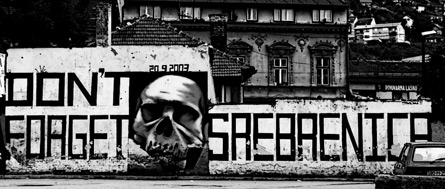
The Srebrenica massacre,[a] also known as the Srebrenica genocide,[b][8] was the July 1995 genocidal killing[9] of more than 8,000[10] Bosniak men and boys in and around the town of Srebrenica during the Bosnian War.[11] It was mainly perpetrated by units of the Bosnian Serb Army of Republika Srpska under Ratko Mladić, though the Serb paramilitary unit Scorpions also participated.[6][12] In addition, 25,000 to 30,000 Bosniaks, mainly women and children, were abused and forcibly moved out of Srebrenica. The massacre constitutes the first legally recognised genocide in Europe since the end of World War II.[13] Srebrenica massacre – Wikipedia
His death was announced on Thursday by Serbian state media. The authorities at The Hague said he died while hospitalized there, but did not provide a specific cause of death.
Mr. Mladic was captured on May 26, 2011, in a farming village north of Belgrade, Serbia’s capital, after almost 16 years as a fugitive, ending one of the longest manhunts in modern history. His 2017 conviction by an international tribunal on charges of genocide, crimes against humanity and war crimes marked the end of a dark and bloody chapter.
Ratko Mladić (Serbian Cyrillic: Ратко Младић, pronounced [râtko mlǎːdit͡ɕ]; 12 March 1942 – 27 August 2026) was a Bosnian Serb military officer who led the Army of Republika Srpska (VRS) during the Yugoslav Wars. Colloquially referred to as the “Butcher of Bosnia”,[a] he was found guilty in 2017 of committing war crimes, crimes against humanity, and genocide by the International Criminal Tribunal for the former Yugoslavia (ICTY). He served a life sentence for these crimes in The Hague until his death in 2026.[1] Ratko Mladić – Wikipedia
Excerpted from Deutsche Welle 8.27.2026
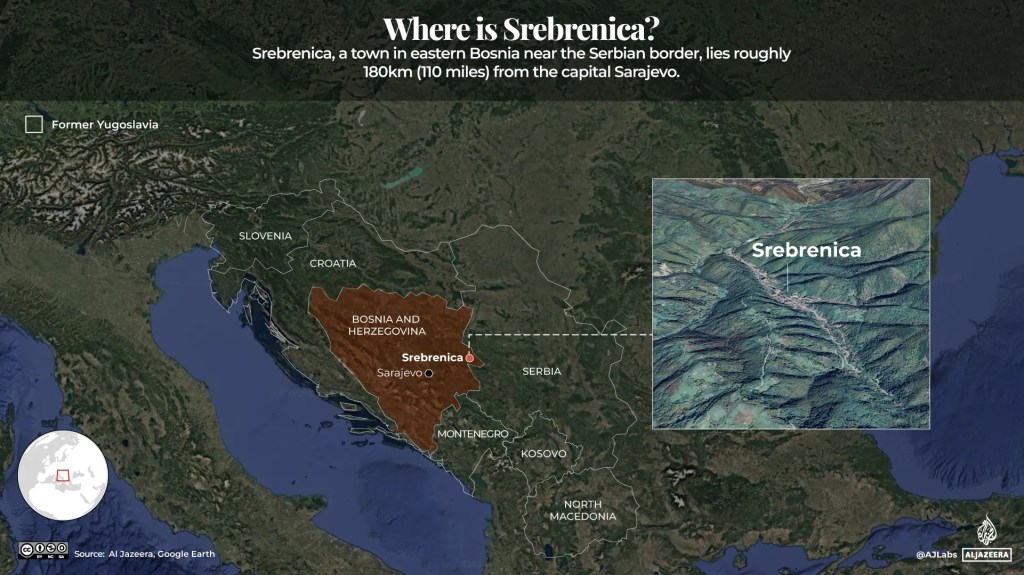
More than 30 years after the end of the war in Bosnia and Herzegovina (1992-1995), Srebrenica remains emblematic of its brutality. And no one is more closely linked to the genocide that took place in the small town in eastern Bosnia than Ratko Mladic, the former commander-in-chief of the Bosnian Serb army.
Although the United Nations had declared Srebrenica a “safe area,” Bosnian Serb forces attacked the town. Within just a few days in July 1995, they expelled women and children, then killed more than 8,300 unarmed Muslim boys and men in the nearby village of Potocari — on Mladic’s direct orders, according to the verdict handed down by the International Criminal Tribunal for the former Yugoslavia (ICTY) in The Hague 22 years later.
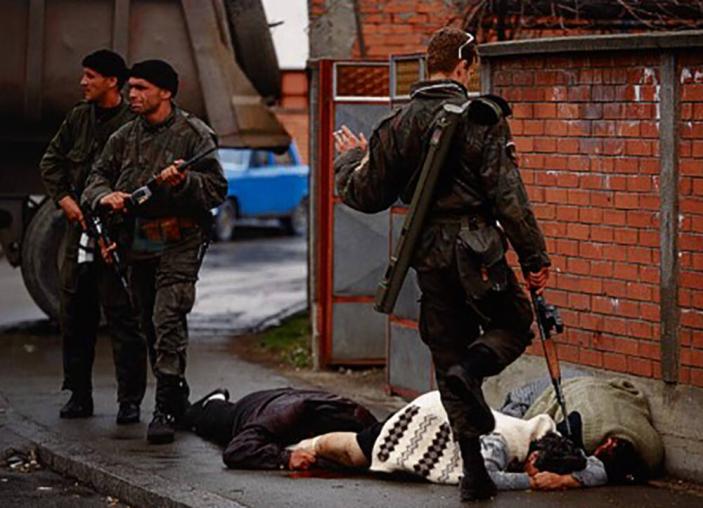
At the time, Srebrenica was the largest massacre in Europe since World War II. The ICTY classified it as genocide. Mladic was also held responsible for other war crimes beyond the Srebrenica genocide. Under his command, the years-long siege of Sarajevo began at the start of the war. The city was shelled for more than 40 months, killing around 11,000 people, including more than 1,600 children.
Mladic always claimed that he targeted only military objectives. But numerous reports and intercepted radio communications indicate that civilian facilities and residential areas were also deliberately attacked. Around 100,000 people were killed during the four-year war in Bosnia, while some 2.2 million were driven from their homes in cities and villages across the country, half of its total population at the time.
https://www.dw.com/en/the-man-behind-srebrenica-ratko-mladic-dies-at-84/a-78536491
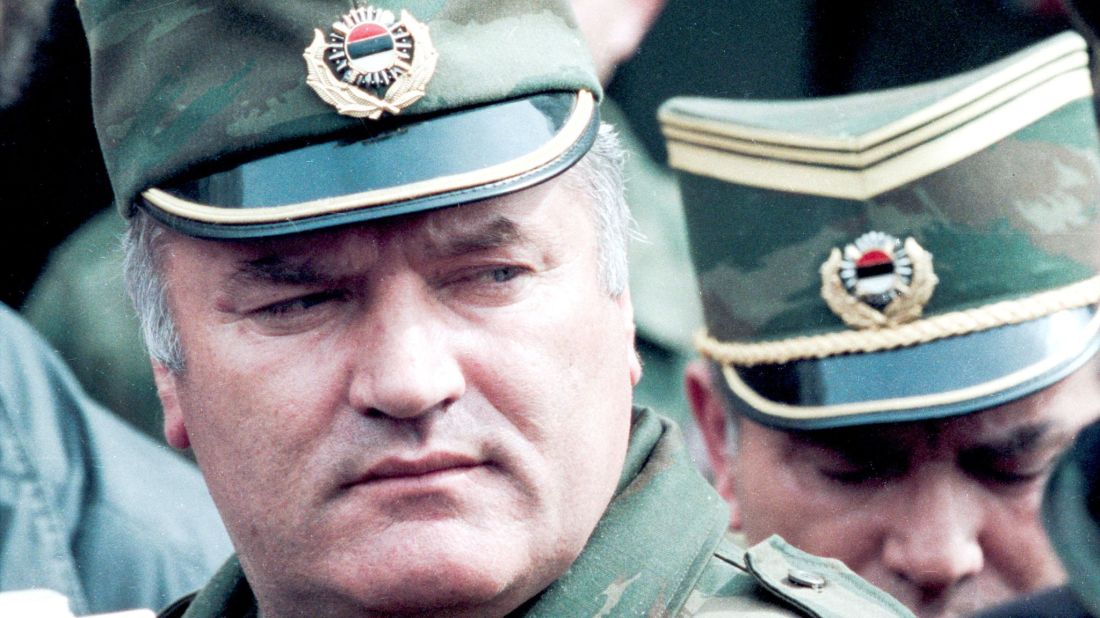
Top photo: Ratko Mladic – Bosnian Serb General and convicted War Criminal

