

SAN FRANCISCO
Lee Heidhues 11.27.2024
The arts world in San Francisco has gone nuts. The much beloved Nutcracker Ballet may crack up this year much to the dismay of patrons of all ages.

It comes as a shock when I read the news that The Nutcracker may go a-glimmering this winter. Management and the unions are seemingly unable to reconcile their differences.
I am well familiar with The Nutcracker. It’s been an integral part of my family and cultural life.
Growing up in Pacific Heights, attending Town School.

Later living in Sausalito where I graduated from Tamalpais High in Mill Valley, my entire family was fully immersed in this holiday extravaganza. My mother worked at the San Francisco Ballet School. It seems every child with even a modest interest in dance was given a bit part in the cast. My sisters included.
Every holiday season The Nutcracker Suite by Peter Tchaikovsky blared forth in our home for weeks. It was a tradition that our family would go to the San Francisco Opera House on Christmas Eve morning to watch The Nutcracker Ballet.
Excerpted from The San Francisco Chronicle 11.27.2024
San Francisco Ballet’s contract for dancers and stage managers expires on Dec. 6 — the same day the company’s highly anticipated “Nutcracker” production is set to open — raising questions about whether the beloved holiday tradition will go ahead as planned.
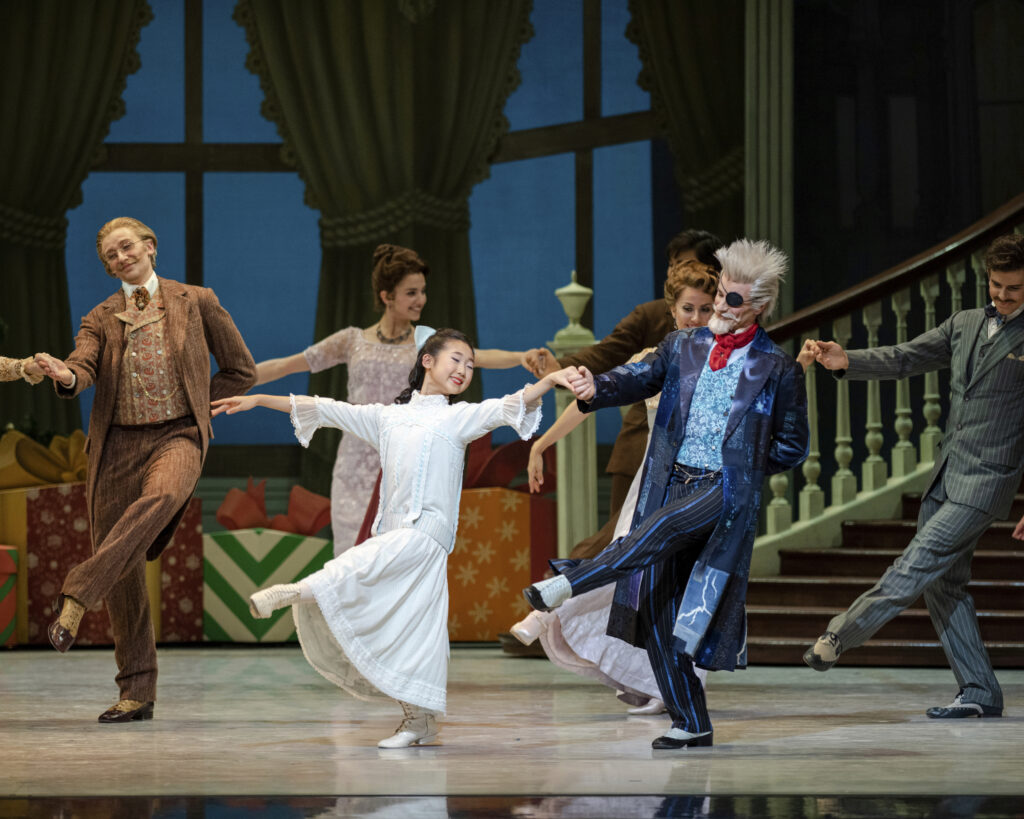
After five months of tense negotiations, the American Guild of Musical Artists says it has made limited progress in securing a new collective bargaining agreement for its members that addresses important issues like wages, safety and working conditions.
In an open letter posted on Tuesday, Nov. 26, union members said they were repeatedly told that the company’s budget does not allow for the requested changes.
“Management’s refusal to meaningfully engage with us risks the very foundation of what makes San Francisco Ballet one of the most respected ballet companies in the world,” the letter read.

The union argues that current compensation classifies many dancers as low-income, as defined by the California Department of Housing and Community Development, in one of the country’s most expensive cities, and that the company’s refusal to meet their demands could threaten the future of the world-renowned institution.
The main points of contention include higher wages, guaranteed dancer positions to match the heavy workload, and protections for stage managers, who are often unpaid for overtime and work under strenuous conditions. The union also criticized the company’s use of unpaid student dancers from the San Francisco Ballet School to fill half the cast, though Ballet management says it has been long-standing practice to enlist students for minor corps roles.

“We deserve a workplace that values professional standards — not one that relies on unpaid labor to cut costs,” the union said.

 Lee's Perspective