

SAN FRANCISCO
Lee Heidhues 7.10.2026
Adolf Hitler perished in his bunker in bombed out Berlin over 81 years ago as the Russian closed in.
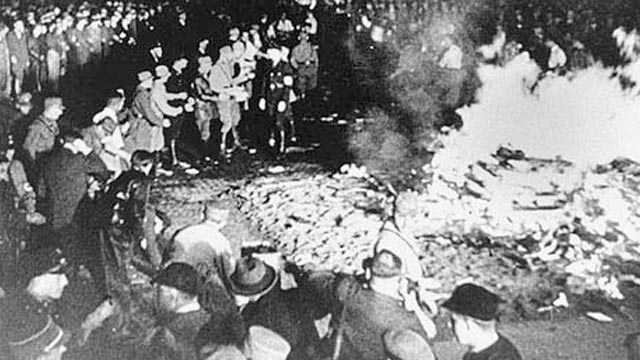
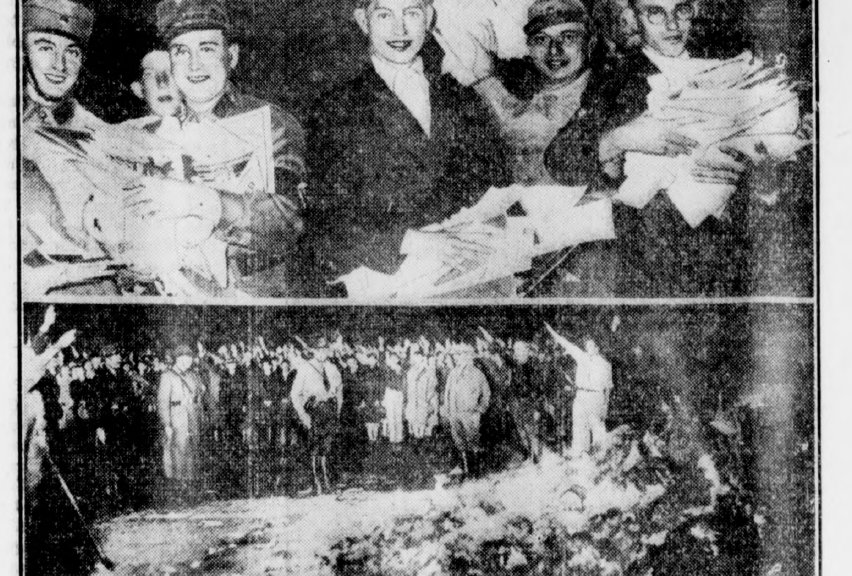
Hitler may be long gone physically but his insane 12 year Third Reich lives on. No more so than in the hearts and minds of the German public. Memorialized worldwide in countless historical works, fiction recreations, movies and documentaries.
It’s no surprise that Deutsche Welle would ask the question, “How do Germans cope with having Nazi Grandparents?” Leave it to the bureaucratic Germans to make publicly available online the names of Nazi party members. There were over 8,000,000 members.
Excerpted from Deutsche Welle 7.9.2026

Germany is now regarded abroad as a world leader in how to confront a country’s dark past. There are 100,000 Stolpersteine (“stumbling stones”) embedded in streets to commemorate the victims of National Socialism, a Holocaust memorial stands in the heart of Berlin, and schools place a particular focus on the Nazi era.
Since millions of NSDAP membership cards have been made available online, many Germans have been surprised to discover that their ancestors weren’t always as innocent as family stories had led them to believe.
“I always thought of my grandfather as a left-wing unionist, and now he’s turned up in the NSDAP database,” Hanno Dannenfeldt told DW. It was always said in the family that his paternal grandfather had clean hands.
Now that the National Archives of the United States has published its collection of National Socialist German Workers’ Party (NSDAP) membership cards, Dannenfeldt is one of countless Germans eager to find out whether their relatives were members of the party that ruled Germany during the Nazi era from 1933 to 1945.
This has not been an easy task: The site is often inaccessible because of heavy traffic, and the user interface is difficult to navigate.
A German tool simplifies the search

The German weekly newspaper Die Zeit has developed a tool that simplifies the search. Users simply enter the name and perhaps the year and place of birth of a person — and the results appear immediately. These records are sure to be of interest to people in South America, as well: Many Nazis went into hiding there after World War II. However, a subscription is required to use the service.
What users find there can be painful. Often, it means suddenly looking at their families in a very different light. Memories of a loving grandfather who was always full of fun and energy can contrast sharply with evidence now presented in black and white that the very same grandfather was a member of the National Socialist Party.
After the war, few families spoke about the crimes of the Nazi era, let alone their own role in them. According to a study, more than two-thirds of Germans believe that their ancestors were not Nazis. Nearly 36% believe that their relatives were among the victims, and over 30% believe that their ancestors helped victims of the Nazis — for example, by hiding Jews.

But this can’t possibly be true. Only about 1% of Germans actively resisted. In 1945, one in five adult Germans was a member of the Nazi Party — which had a total of 8.5 million members — thereby lending their support, at least on paper, to that unjust system.
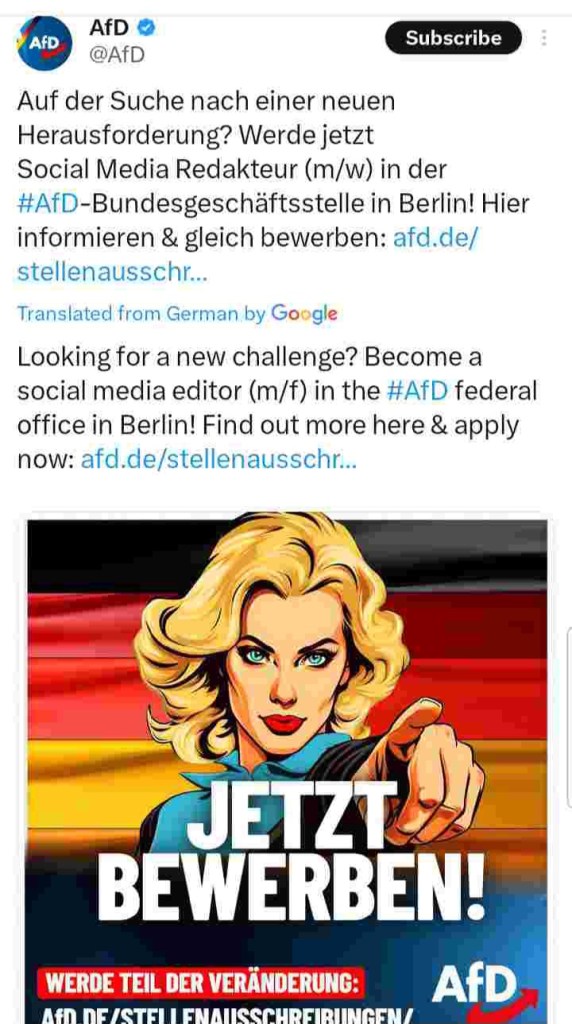
And yet, nationalism is on the rise in Germany again. The far-right Alternative for Germany (AfD) party is gaining influence. Dannenfeldt wonders whether Germans might again embrace the justifications of the Nazi era. “Some people might think, ‘I’ll join the AfD and make a career for myself,’ he said. “When you realize that your own family didn’t put up much of a fight back then, it makes you think about just how great the danger is today, as well.”

https://www.dw.com/en/how-do-germans-cope-with-having-nazi-grandparents/a-77886590
Nazi sentiment has always been widespread in America. Perhaps the most factual documentation is the Academy Award nominated “A Night at the Garden.” The Nazi rally at Madison Square Garden in 1937.