The New York Times published an article with its list of the best films on Amazon Prime.
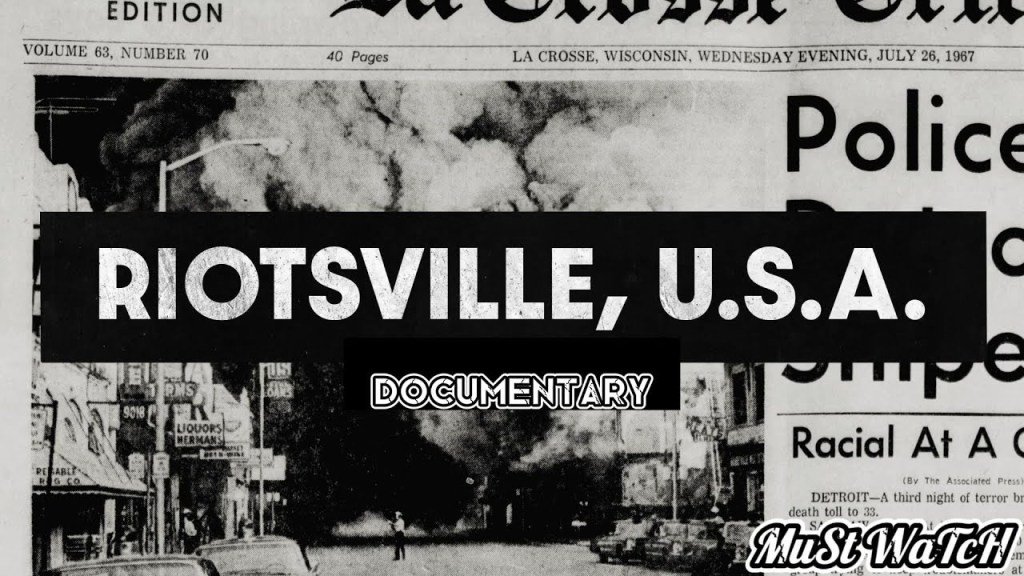
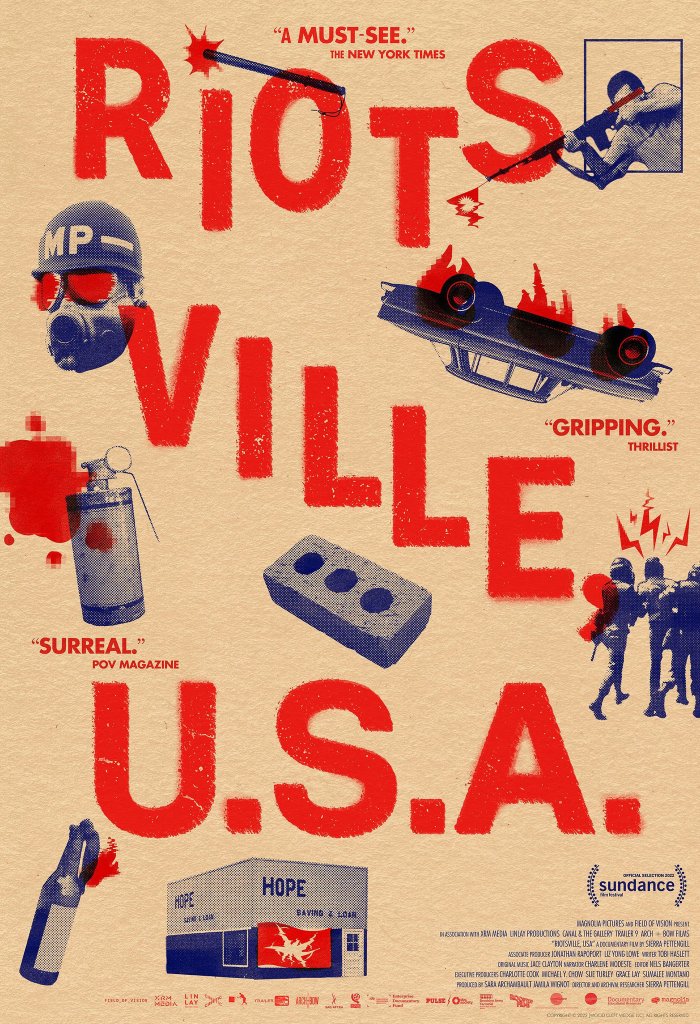
Scrolling through the mostly anodyne selections the blogger search ground to a halt. On the list is the highly regarded “Riotsville USA”. A documentary about what can be categorized as the origins of the modern Police State America. On a Sunday afternoon I watched this riveting, educational and disturbing piece of documentary film making.
When I see the ongoing militarization of American law enforcement I will never again wonder about the origins of the American police state after watching this film.
The following review claims the Riotsville USA story is “in some sense, laughable”. It is not in the least funny.
The mid-1960s saw a conspicuous rise in civil unrest in the United States. The war in Vietnam, substandard living conditions for people of color, and a larger shift in consciousness all contributed to people wielding violence as a tool of protest. The new documentary “Riotsville, USA.,” shows the federal government’s response to this tactic as both sinister and, in some sense, laughable.
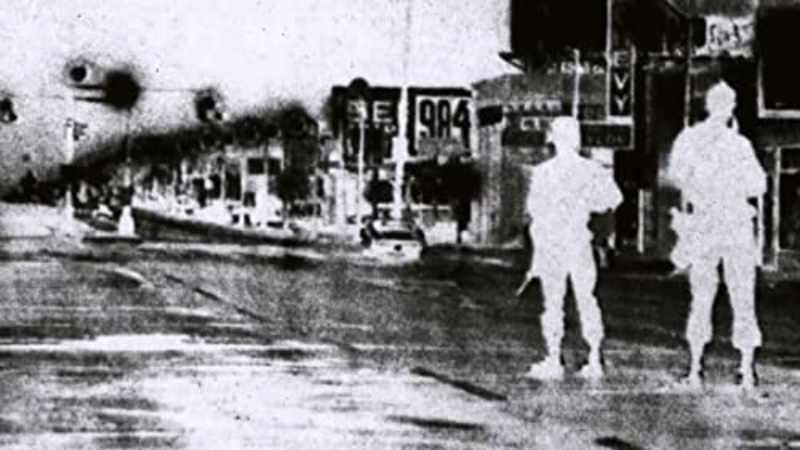
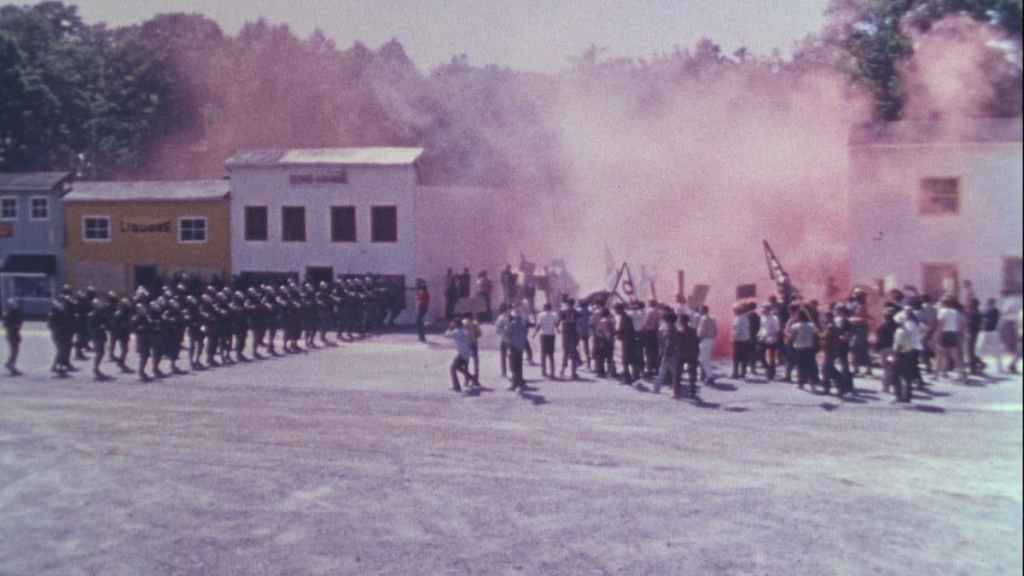
The Riotsville of the title is the name of a fake town built as a training ground for law enforcement, in which riot story lines were enacted by soldiers. More than one of these towns were built by the U.S. government, with the events filmed for official review. The documentary’s director, Sierra Pettengill, uses a variety of archival footage here. There are government films of Riotsville exercises, clips from talk shows, and a mini-narrative of a public television station whose progressive politics led to its defunding by the Ford Foundation. And searing footage from riots near the 1968 Republican National Convention in Miami, which received scant media coverage at the time.
A staged demonstration in Riotsville USA
A blog for Riotsville USA needs some musical accompaniment. This piece, a cover of the Led Zeppelin “Immigrant Song” done by Karen O, Trent Reznor and Atticus Finch fits the bill. It was in the trailer for the American film version of ‘The Girl with the Dragon Tattoo’
Since the 1980’s I have been listening to the public radio program on Sunday night ” Hearts of Space.” Over 1400 segments have been recorded. Hearts of Space – Wikipedia
One of the frequent contributors is Steve Roach who has recorded numerous albums and is a leader in the new age genre.
Without a doubt my favorite piece of music in all these “Hearts of Space” years is the 1992 double CD “World’s Edge” by Steve Roach a leader in the electronic music genre. And within this double CD is the haunting 59 minute “To the Threshold of Silence.”It is dark and haunting and beautiful.
I have listened to “To the Threshold of Silence” so many times I have lost count. The entire double CD is very soothing at sleep time.
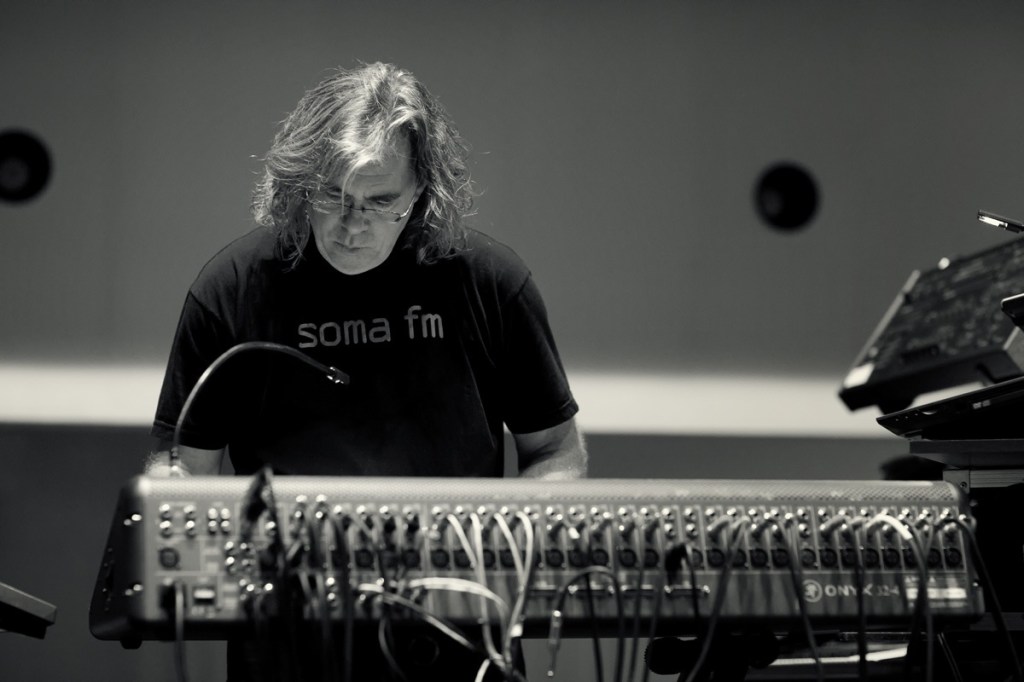
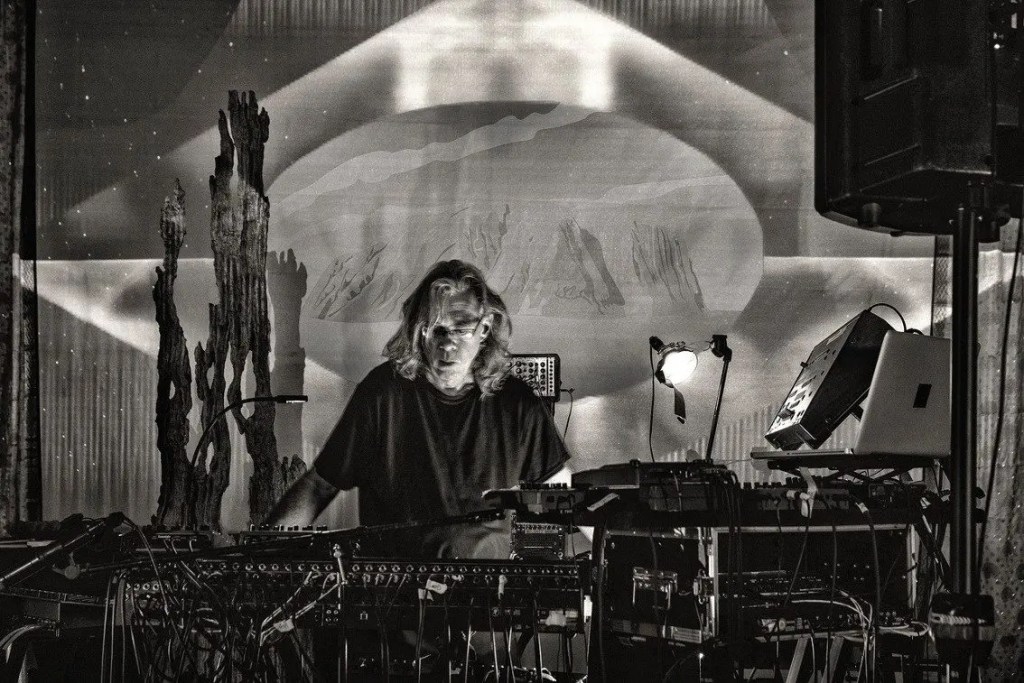
Steve Roach stands as a monumental figure in the history of electronic music, serving as a bridge between the early pioneers of the 1970s and the modern era of immersive sound design. His core concept revolves around the idea of music as a physical space—a sonic environment that the listener inhabits rather than merely observes. This philosophy, often referred to as soundcurrent, emphasizes the fluidity of time and the deep connection between the human psyche and the natural world. Roach’s work is characterized by its massive scale, ranging from short, crystalline vignettes to multi-hour drone cycles that aim to induce altered states of consciousness. His primary laboratory is The Timeroom, a sophisticated studio located in the Arizona desert, which serves as both a physical location and a conceptual framework for his creative process.
On a glitzy night in Hollywood when a kow towing cinema industry shamefully bowed down to the Nazi Felon President Trump there was a notable exception.
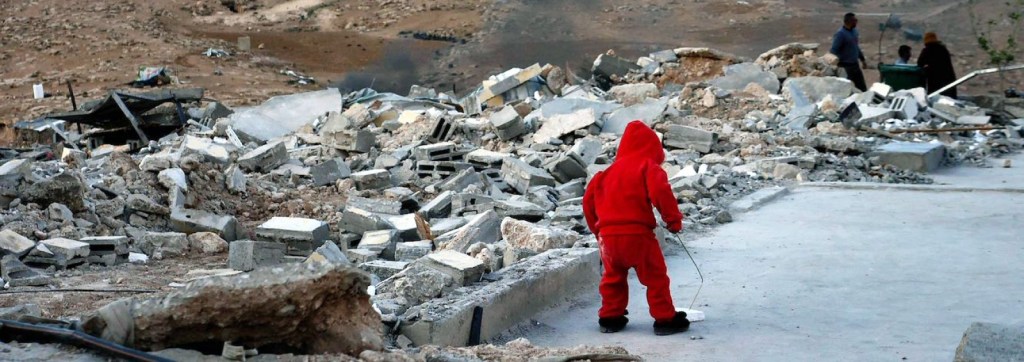
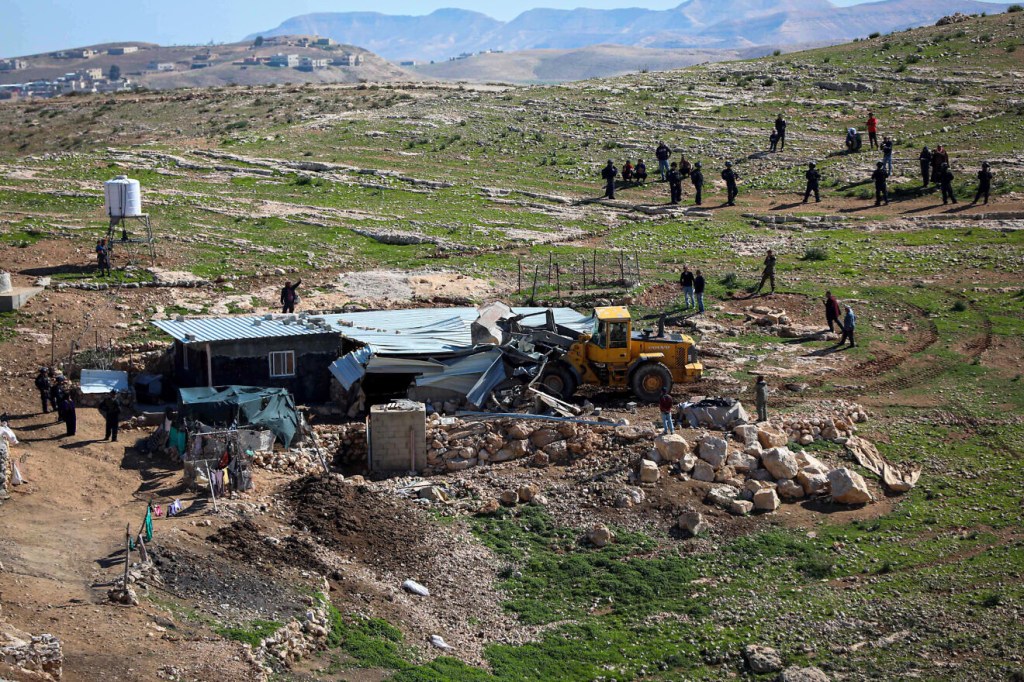
The Palestinian Israeli produced film “No Other Land” which chronicles the destruction of a Palestinian village, in an act which the director described as “ethnic cleansing”, by the Israel military won the Academy Award for Best Documentary.
Despite the fact this gripping documentary received rave reviews and awards including best documentary at the prestigious Berlin Film Festival in 2024 no American large scale distributor has picked up the film.
For fear of offending the powerful Israeli lobby in America, the Israeli government and the current regime in Washington “No Other Land” cannot be readily seen in Trump’s America.
The West Bank-based film No Other Land has won this year’s best documentary feature Oscar.
Despite acclaim, the film could not find distribution in the US and was self-distributed instead. The Guardian’s Adrian Horton called it “straightforward, un-sensationalized and completely infuriating” in a five-star review.
The film, which is made by a Palestinian–Israeli collective, won out against competition from Black Box Diaries, Porcelain War and Sugarcane.
No Other Land premiered at the Berlin film festival last year where it won the Berlinale documentary award. The film was made between 2019 and 2023 and focuses on the steady forced displacement of Palestinians from their homes in Masafer Yatta, a region in the occupied West Bank targeted by Israeli forces.
Speaking to a standing ovation, the film-makers thanked the Academy before co-director Basel Adra said he had recently become a father and hoped his daughter’s life would not be like his – “always fearing certain violence, home demolitions and forced displacement”.
He continued by saying his film reflected “the harsh reality” that his fellow Palestinians had endured for many years, “as we call on the world to take serious action to stop the injustice and stop the ethnic cleansing of the Palestinian people”.
Co-director Yuval Abraham then took to the stage to say that Palestinians and Israelis had made the film together “because together our voices are stronger. We see each other the atrocious destruction of Gaza and its people must end.
Excerpted from The New York Times 3.3.2025 – Marc Tracy
Most Political Speech
It was not surprising that “No Other Land” took home the Oscar for best documentary feature. Nor was it surprising that, upon accepting the award, the filmmakers would discuss the Israeli-Palestinian conflict and the demolition of homes in the West Bank.
But the acceptance speeches by two of the film’s four credited directors, the Palestinian activist Basel Adra and the Israeli journalist Yuval Abraham, notably did not hold back from a kind of rhetoric not ordinarily heard in mainstream American discourse. Adra called on the world to “stop the injustice and to stop the ethnic cleansing of Palestinian people.”
Abraham condemned “the atrocious destruction of Gaza and its people” (he also characterized Israeli hostages in Gaza as victims of “the crime of Oct. 7” who were “brutally taken”). The remarks were delivered eloquently by filmmakers who have lived, seen and documented some of the events they sought to describe. They also entered a political maelstrom, with a presidential administration that has sought to transfer Gaza’s Palestinian population and a film industry rived by charges that its pro-Palestinian voices have been insensitive to Israeli suffering and antisemitism generally.
No Other Land. “I don’t wan them to take our home.”