

SAN FRANCISCO
Lee Heidhues 12.6.2025
Looking afar from the West Coast of America to most Americans Europe seems far away and inconsequential. Only as a tourist destination and photo op.
The reality is that Europe is an integral bastion economically and culturally for the United States.
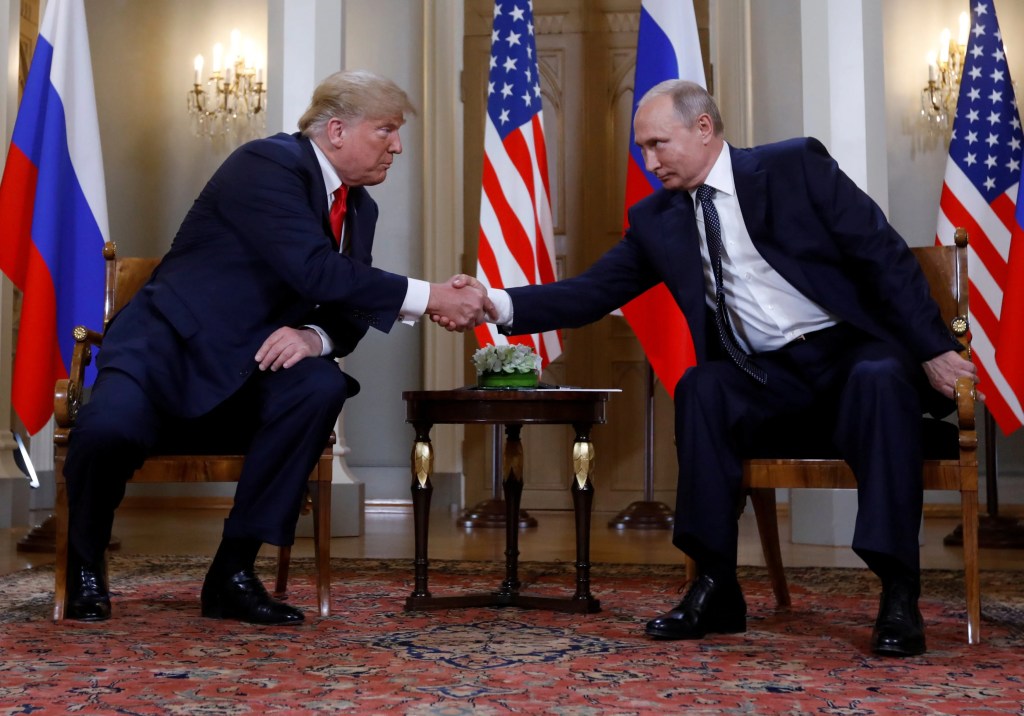
It’s shocking to read that Donald Trump is striving to turn this centuries long relationship on its head as he seeks to solidify his indecipherable relationship with Vladimir Putin. Trump’s not so secret goal is to let Europe fend for itself while he withdraws into Fortress America.
Excerpted from The Wall Street Journal 12.6.2025
Nathalie Tocci, director of the Institute for International Affairs in Rome and a former EU diplomatic adviser, said the document lays out a fairly coherent vision of a world dominated by three big powers—the U.S., China and Russia—who have areas of cooperation and zones of influence.
“I think it’s fairly clear that Europe is seen by the administration as being on the colonial menu” for domination by either the U.S. or Russia, she said. “So to me, the real question is: ’What else needs to happen for us Europeans to wake up to this?’ ”
For years, the U.S. government has published an annual National Security Strategy that lays out how Washington sees the world and its approach to dealing with looming threats, from China to Russia to drug-traffickers in Latin America.

This week, the Trump administration’s version seemed to reserve its harshest tone for a new target: America’s closest allies in Europe.
The 30-page document painted European nations as wayward, declining powers that have ceded their sovereignty to the European Union and are led by governments that suppress democracy and muzzle voices that want a more nationalistic turn.
It says the continent faces “civilizational erasure” through immigration that could render it “unrecognizable” in two decades—as well as turning several North Atlantic Treaty Organization allies into majority “non-European” countries. It concludes the region could grow too weak to be “reliable allies.”
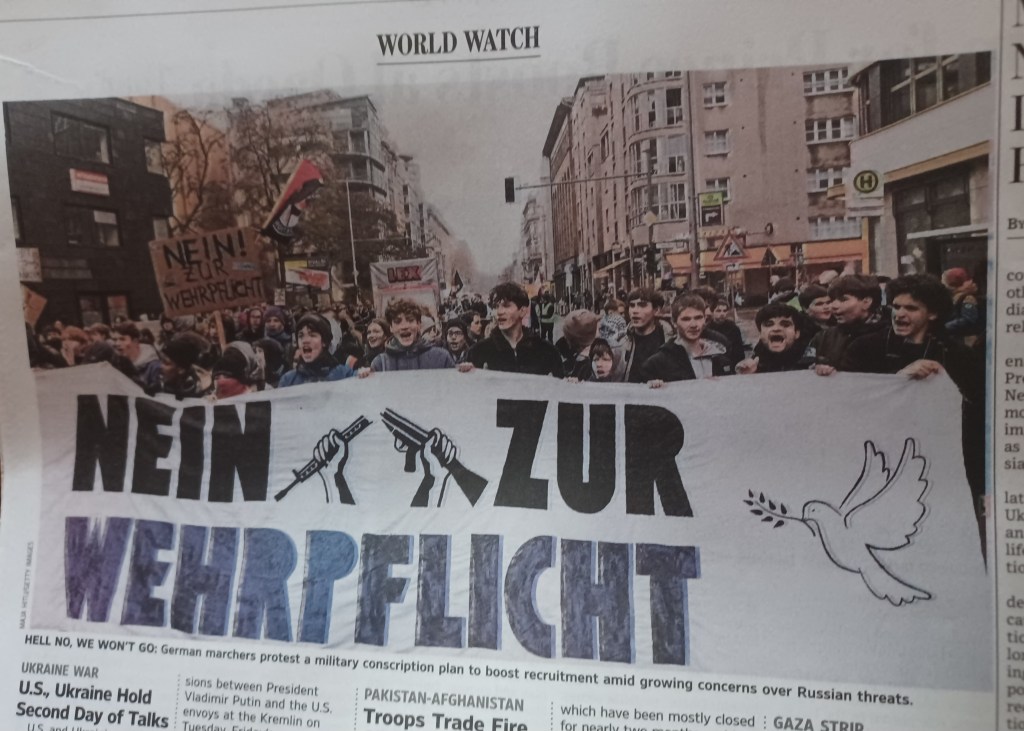
The document underscores how radically the Trump administration is reshaping traditional American foreign policy, and it is likely to deepen divisions in the trans-Atlantic alliance, which has largely kept the peace in Europe since World War II and promoted Western values across the world.
The document landed like a bucket of cold water in European capitals. European leaders reading the document need “to assume that the traditional trans-Atlantic relationship is dead,” said Katja Bego, a senior researcher at Chatham House, a think tank in London.






 Lee's Perspective