
SAN FRANCISCO
Lee Heidhues 8.18.2026
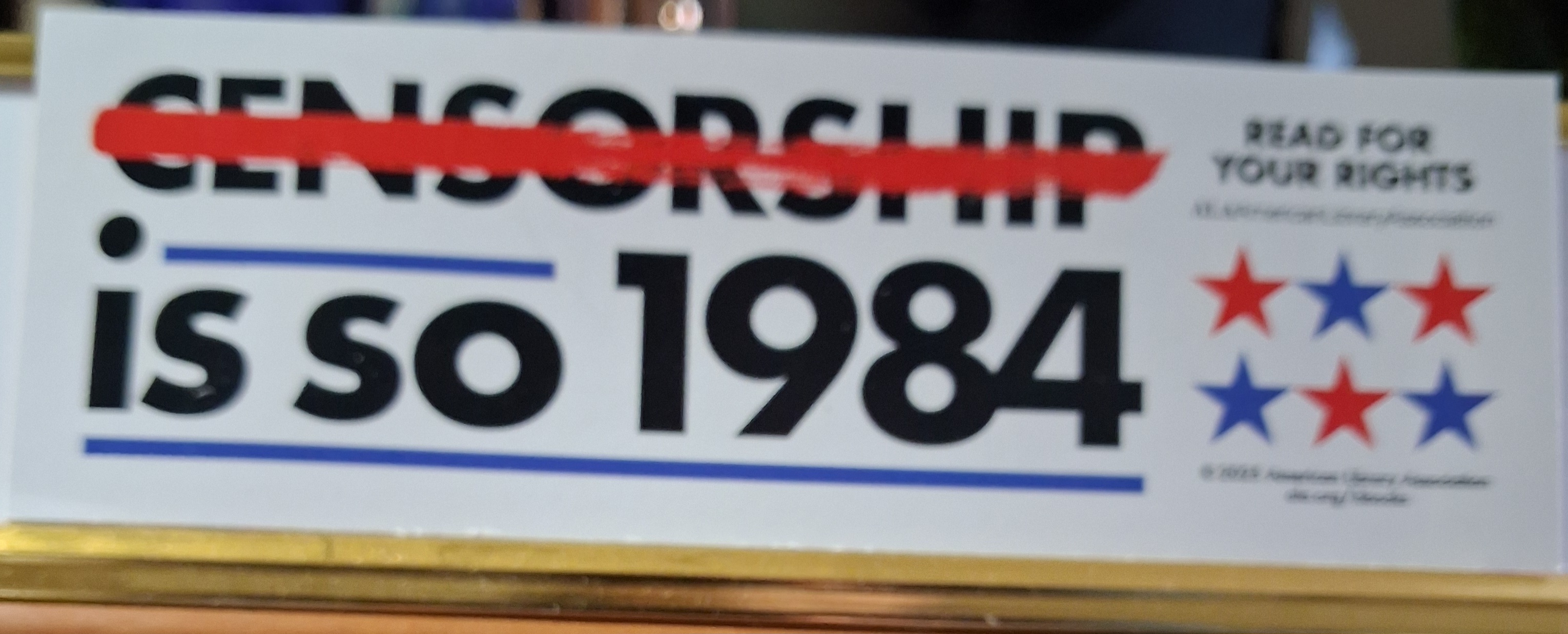
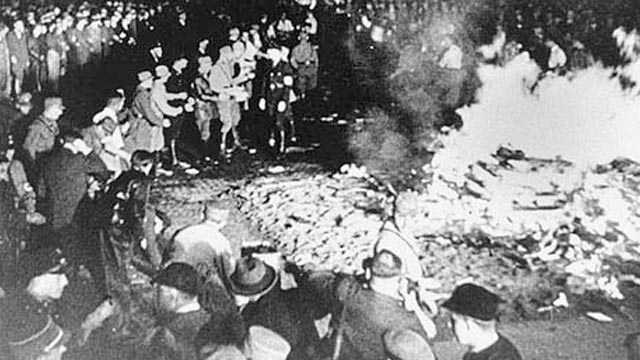
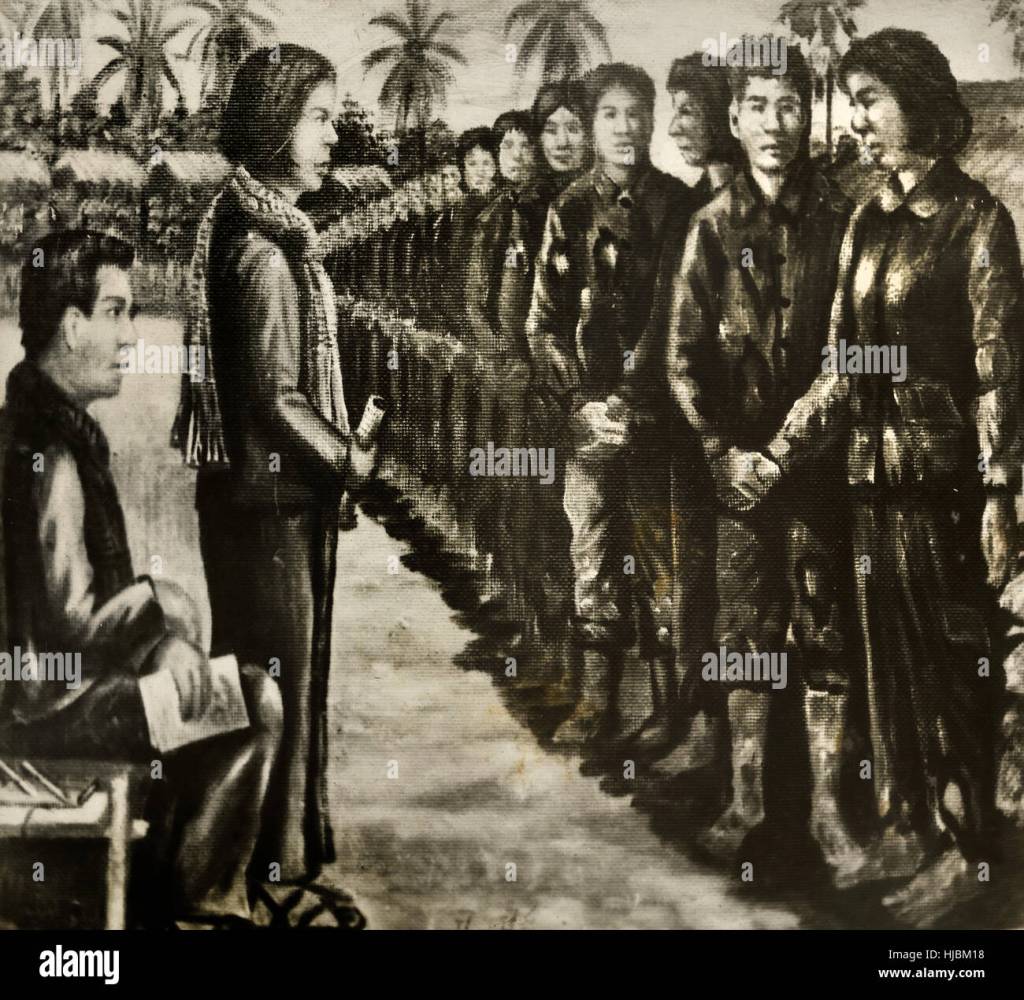
Censorship and book burning are a sad historical phenomena. Recent history has found this activity in countries around the world. Nazi Germany, the Khmer Rouge in Cambodia and Russian obliteration of Ukrainian libraries.
America is not immune. The House Un American Activities Committee (HUAC) strove to ban books in overseas libraries which were deemed “too Communist” and “nonconformist”. Even in the midst of the 21st century certain localities in America have successfully moved to ban books from libraries and schools. Book Bans – PEN America

American Book Banning: Trends, Causes, and Impact
Book banning in the United States has surged in recent years, with both schools and public libraries facing unprecedented levels of censorship.
Scale of the Problem
PEN America’s 2025 report found 6,870 book bans enacted in the 2024–25 school year across 23 states and 87 public school districts, affecting nearly 2,600 authors, illustrators, and translators PEN America. This is the highest number of bans in a single school year ever recorded. The American Library Association (ALA) documented 4,235 unique titles challenged in 2025, with 5,668 books actually banned from libraries, plus 920 restricted through access controls American Library Association. These bans disproportionately target works by authors of color, LGBTQ+ authors, and books addressing racism, sexuality, gender, and history PEN America+1.
Who Is Driving the Bans
ALA data shows that 92% of challenges in 2025 were initiated by pressure groups, government officials, or decision-makers, not individual parents American Library Association. This reflects a coordinated political and activist push to influence school and library curricula.
Excerpted from The Wall Street Journal 8.18.2026
Bibliocide—attacks on the written word—is a common tactic of totalitarians and terrorists. The Nazis burned books in Germany in the 1930s, as did the Khmer Rouge in Cambodia in the 1970s. Bosnian Serbs destroyed Sarajevo’s National and University Library in 1992, and in 2015 ISIS devastated Mosul Central Library.
The Ukrainian Culture Ministry says Russia has damaged or destroyed 906 libraries since 2022. Numerous cases of book burning and library sacking have been documented. Among them: In 2022 the Petro Mohyla Church library was burned in Mariupol. Books were burned in Rovenky in 2023. Yulia Kakulia-Danyliuk, a librarian in Kapytolivka, has described the destruction in that village: “Everything was smashed and broken, books were scattered everywhere. There was filth.”
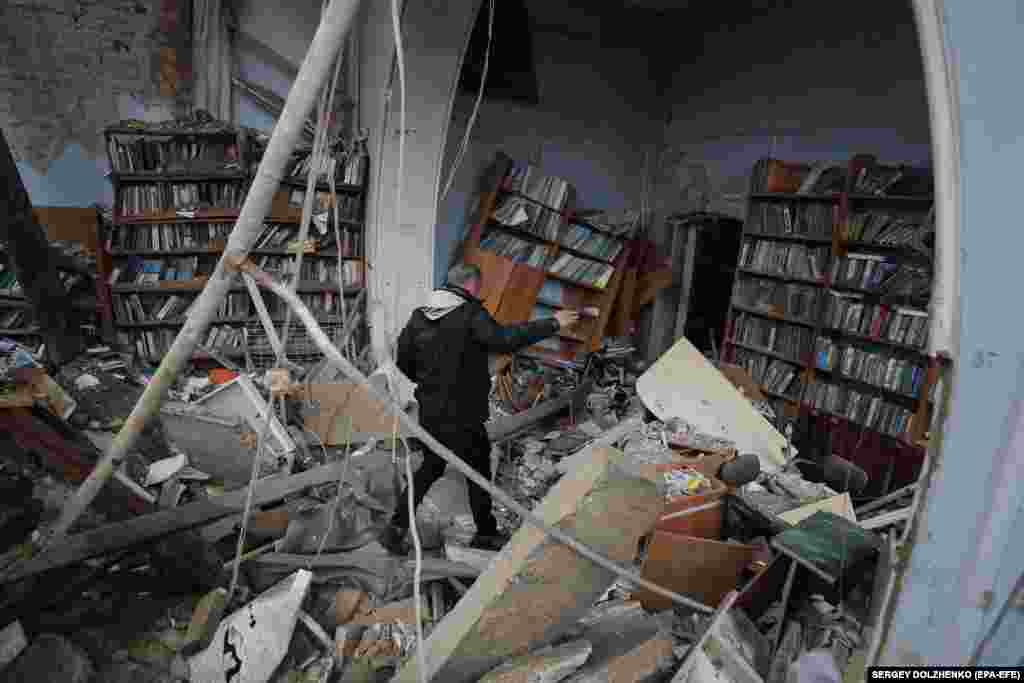
Kapytolivka holds particular significance, having been home to Volodymyr Vakulenko, a poet and children’s book author, who was abducted and murdered by Russian troops in 2022. When the librarian returned after the village’s liberation, only 4,500 of 16,500 books remained. She found books on Ukrainian culture and history in the toilets, covered in human waste. “All of them had been soiled. That was done deliberately.”
https://en.wikipedia.org/wiki/Center_for_Civil_Liberties_(human_rights_organization)
The Center for Civil Liberties (Ukrainian: Центр Громадянських Свобод, romanized: Tsentr Hromadyansʹkykh Svobod) is a Ukrainian human rights organization led by the Ukrainian lawyer Oleksandra Matviichuk.[2] It was founded in 2007,[3][4] with the purpose of pressuring Ukraine’s government to make the country more democratic.[5][6] The organization was awarded the 2022 Nobel Peace Prize, jointly with Ales Bialiatski and Russian organization Memorial.[3][7]
In America the book burning mania took hold in the early Cold War era.
HUAC and the Era of “Book Burnings”
During the 1950s, the House Un-American Activities Committee (HUAC) and other anti-communist forces in the U.S. government were linked to reports of book burnings at American-funded overseas libraries. These libraries, numbering about 230 and holding nearly two million books, served millions of visitors annually and were intended to present a “balanced” view of the United States The New Republic.
The Context
- HUAC’s role: Established in 1938, HUAC targeted alleged communists and “subversive” activities. While it investigated individuals, its influence extended to shaping cultural and informational policy abroad Wikipedia.
- Overseas libraries: Originally founded in Latin America in 1942–43 to model public libraries abroad, they emphasized free access to all printed materials. By the Eisenhower era, their purpose had shifted toward promoting U.S. perspectives and discouraging “non-conformity” The New Republic.
- Targeted content: Books deemed “too communist” — including works by or about communists — were removed from shelves. This included literature banned under dictatorships the U.S. had fought against, such as in Germany, Austria, Japan, Korea, and Trieste The New Republic.
Political Backing
- Eisenhower administration: Reports indicated that State Department directives, sanctioned by Secretary of State John Foster Dulles, ordered U.S. libraries abroad to remove such books. President Eisenhower publicly distanced himself from these orders, but his administration’s actions were tied to HUAC’s anti-communist agenda The New Republic.
- McCarthyism: Senator Joseph McCarthy, though not directly involved with HUAC, was part of the broader anti-communist climate that enabled such censorship Intellectual Freedom Blog.

