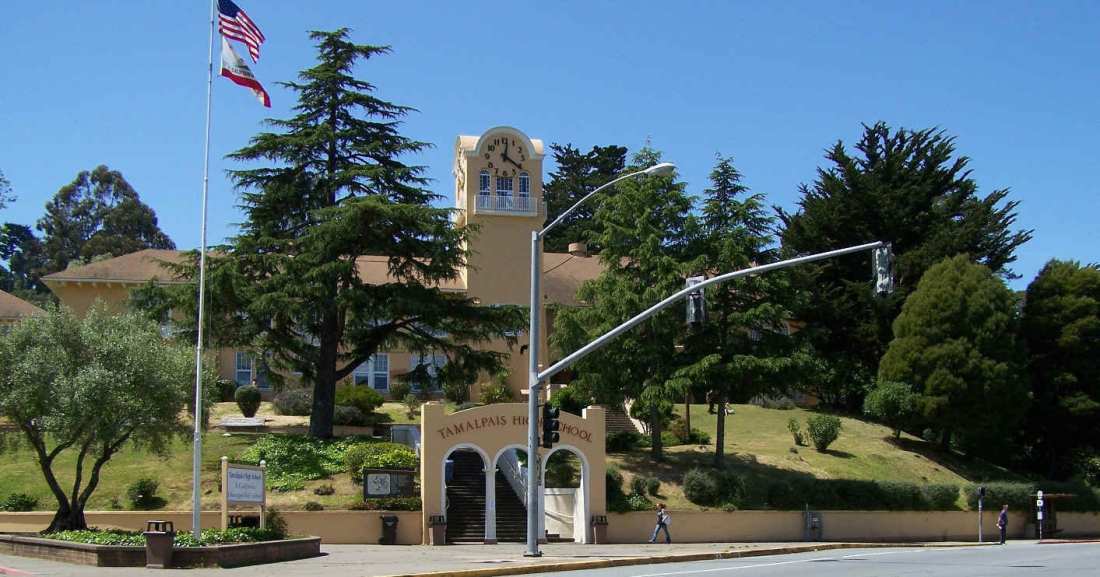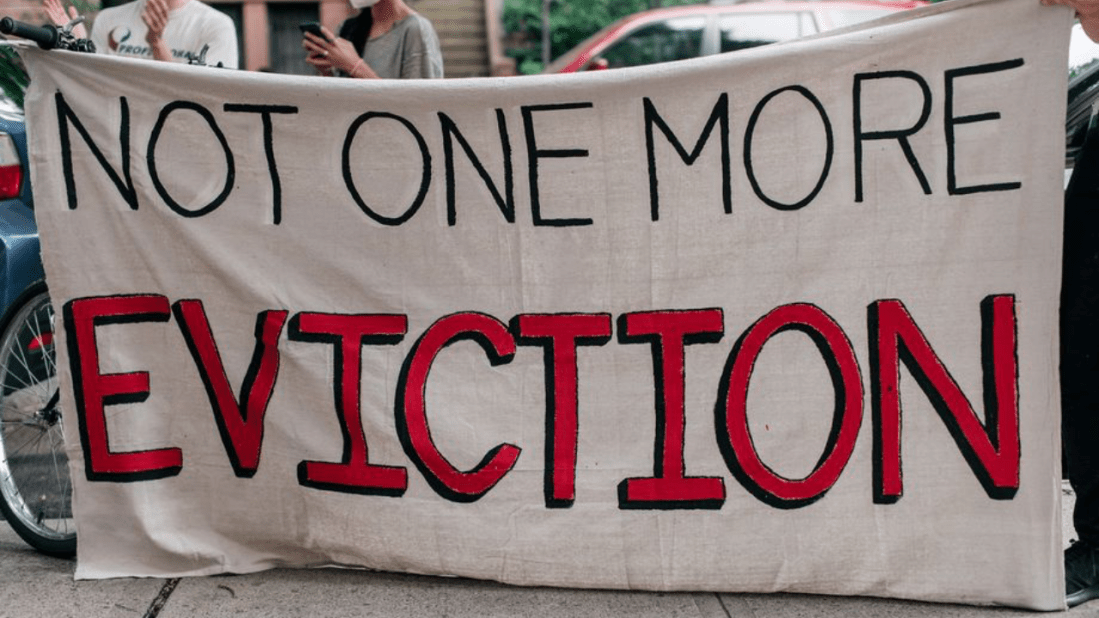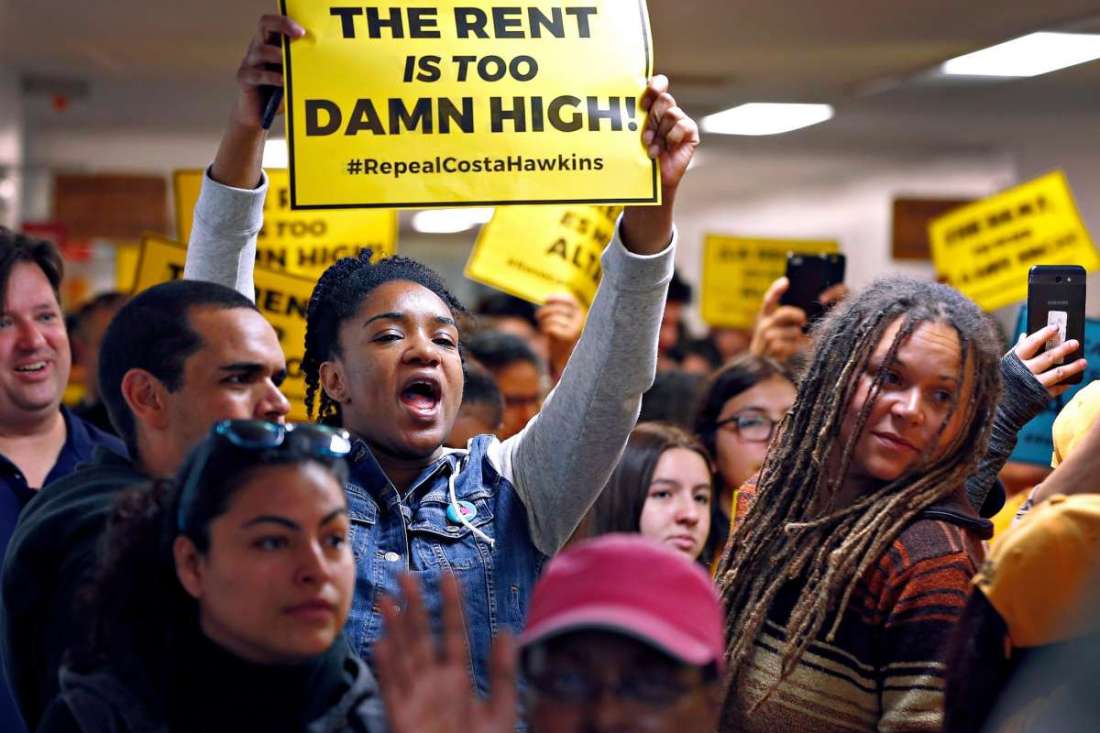
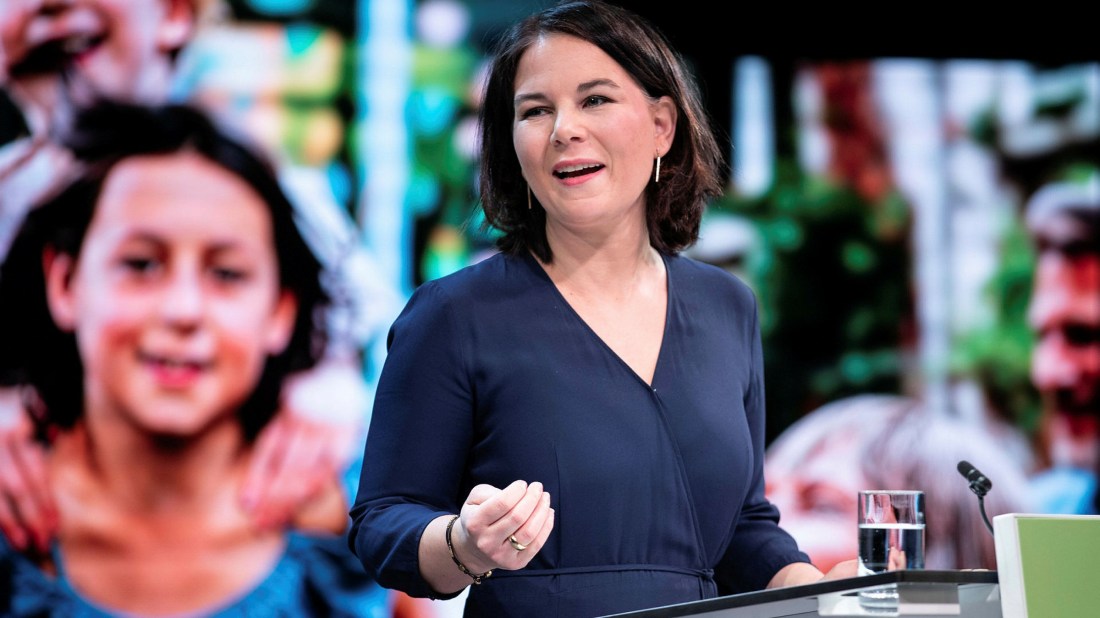
The San Francisco School Board member who has been the subject of heavy criticism for her Tweets is pushing back. Â HARD.
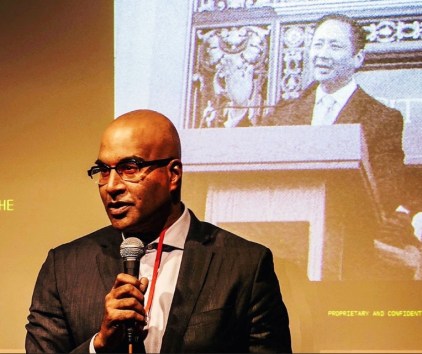
Alison Collins just dropped a Federal Civil Rights lawsuit on her fellow Board members along with the School District itself. This tempest pitting a Black woman against the San Francisco power structure has now become a national, if not international, news event.
In brief. Ms Collins is strenuously, to say the least, disputing the allegations that her Tweets were anti-Asian and racist
In her Federal lawsuit a quote by the famous German Lutheran Pastor Martin Niemöeller is affixed to the Complaint.
First they came for the socialists, and I did not speak outâbecause I was not a socialist.
Then they came for the trade unionists, and I did not speak outâ because I was not a trade unionist.
Then they came for the Jews, and I did not speak outâbecause I was not a Jew.
Then they came for meâand there was no one left to speak for me.
Excerpted from San Francisco Chronicle 3.31.2021
A San Francisco school board member accused her colleagues and the school district in a suit Wednesday of retaliation, saying they violated her free speech rights by stripping her of her position as vice president and removing her from committees over tweets she posted in 2016 about Asian Americans.
In the lawsuit filed in federal court in San Francisco, Alison Collins seeks $72 million in general damages from the school district and the five board members who supported a no-confidence vote against her, plus $3 million in punitive damages from each of those same board members.
Collins, who declined comment about the lawsuit Wednesday, also seeks an injunction restoring her as vice president and to her committee positions.
The lawsuit alleges that the vote to strip her of her leadership roles was an illegal act that violated Collinsâ due process and caused her to suffer losses in income, significant loss of reputation, severe mental and emotional distress, and humiliation.
âWhen Ms. Collins refused to resign her elected position as commissioner, defendants lit their torches, sprinting to judgment in twenty-four hours, with less due process than given to victims of Malleus Maleficarum,â Bonner, wrote in the suit, referring to a manual for witch hunters.
The lawsuit claims Collinsâs tweets were related to her attempts to address bullying and anti-Black behavior at her daughterâs school.
Bonner claims the board and its members violated Collinsâ freedom of speech by falsely labeling her a racist. The actual purpose of her tweets, he said in the suit, was protecting Black and brown children from racist bullying and harassment.
âThe false narrative and assertion that Ms. Collinsâ comments imploring Asian Americans to resist oppression as âracistâ has generated this ongoing and intensifying hostility, (causing) threats and damage to Ms. Collins reputation and threatening her and her familyâs physical well-being,â Bonner wrote.
Every Picture Tells a Story – This time a Story of Courage – 3.30.2021
Sister Ann Rose Nu Tawng is photographed begging armed police officers not to shoot âthe childrenâ
Agence France-Presse in Yangon
Tue 9 Mar 2021 12.26 GMT
The Guardian of London 3.9.2021
Kneeling before them in the dust of a northern Myanmar city, Sister Ann Rose Nu Tawng begged a group of heavily armed police officers to spare âthe childrenâ and take her life instead.
The image of the Catholic nun in a simple white habit, her hands spread, pleading with the forces of the countryâs new junta as they prepared to crack down on a protest, has gone viral and won her praise in the majority-Buddhist country.
âI knelt down ⊠begging them not to shoot and torture the children, but to shoot me and kill me instead,â she said on Tuesday.
Her act of bravery in the city of Myitkyina on Monday came as Myanmar struggles with the chaotic aftermath of the militaryâs overthrow of the civilian leader, Aung San Suu Kyi, on 1 February. As protests demanding the return of democracy have rolled on, the junta has steadily escalated its use of force, using teargas, water cannon, rubber bullets and live rounds.
Protesters took to the streets of Myitkyina, the capital of Kachin state, on Monday wearing hard hats and carrying homemade shields. As police started massing around them, Sister Ann Rose Nu Tawng and two other nuns pleaded with them to leave.
âThe police were chasing to arrest them and I was worried for the children,â she said.
It was at that point that the 45-year-old nun fell to her knees. Moments later, as she was begging for restraint, the police started firing into the crowd of protesters behind her.
âThe children panicked and ran to the front ⊠I couldnât do anything but I was praying for God to save and help the children,â she said.
Myanmar: stop military killing protesters, envoy tells security council
First she saw a man shot in the head fall dead in front of her â then she felt the sting of teargas. âI felt like the world was crashing,â she said. âIâm very sad it happened as I was begging them.â
A local rescue team confirmed to AFP that two men were shot dead on the spot during Mondayâs protest, though it did not confirm whether live rounds or rubber bullets were used.
On Tuesday, one of the deceased, Zin Min Htet, was laid in a glass casket and transported on a golden hearse covered in white and red flowers. Mourners raised three fingers in a symbol of resistance, as a musical ensemble of brass instrument players, drummers and a bagpiper in crisp white uniforms led the funeral procession.
And the combination of young, carefree revelers and states ditching safety mandates has helped send the country backward, said Dr. Anthony Fauci, director of the National Institute of Allergy and Infectious Diseases.
“What we’re likely seeing is because of things like spring break and pulling back on the mitigation methods that you’ve seen now,” Fauci told CBS’ “Face the Nation” on Sunday.

The great news is all three vaccines being distributed in the US appear to work well against the B.1.1.7 strain. But with only 15.8% of the US population fully vaccinated — and anti-vaxxers and vaccine hesitancy preventing America from returning to normal faster — it’s time for a reality check.
“Now is one of those times when I have to share the truth, and I have to hope and trust you will listen,” Walensky said.
“I’m going to reflect on the recurring feeling I have of impending doom … We have so much to look forward to, so much promise and potential of where we are and so much reason for hope. But right now, I’m scared.”
Before she became CDC director, Walensky was on the front lines of the pandemic, witnessing some patients die from Covid-19.
“I know what it’s like as a physician to stand in that patient room — gowned, gloved, masked, shielded — and to be the last person to touch someone else’s loved one, because they are not able to be there,” she said.
The US has come “such a long way,” Walensky said, pleading with all Americans to keep masking up and “hold on a little while longer” as more people get vaccinated.
It took nearly six days of herculean efforts, a full moon and an unusual high tide to unblock the marooned ss Ever Given. In less than a week the impact on trade between Asia and Europe was significant. Nearly 400 vessels containing virtually every type of cargo, including livestock, used for human consumption were literally dead in the water.
Excerpted from New York Times 3.29.2021
ISMAILIA, EgyptâThe vast container ship that blocked the Suez Canal for six days was freed and began moving north to an anchor point Monday, opening the critical waterway, as hopes grew that global supply delays will ease.
Egyptian President Abdel Fattah Al Sisi cast the operation as a national triumph in remarks he posted to Twitter earlier Monday.
âToday, Egyptians have proven that they are always responsible, and that the canal their ancestors died for, and which their fathers defended with their lives, bears witness to how Egyptians always decide their fate according to their will,â he said.
Engineers raced throughout the day to finish the job of dislodging the Ever Given after partially refloating the ship at dawn, taking advantage of an unusually high tide to make the job easier.
Tugboats helped pull the vessel out from the side of the canal where it had been stuck, before straightening its heading. Egyptian television images showed tugboats blaring their horns, as they towed the Ever Given to safety. Once stabilized it was towed toward an anchor point at a lake further up the canal system, enabling ships already in the canal network to travel.
In the evening, Osama Rabie, chairman of the Ismailia-based Suez Canal Authority, which runs the 120-mile shipping route, said it had been opened to hundreds of vessels that had been waiting to traverse.
Canal managers were giving priority to vessels carrying livestock because they were running out of animal feed, according to a person involved in the operation.
Mr. Rabie said that clearing the backlog would take roughly three days, though some shipping industry veterans suggested it could be longer.
Still, shipping firms, shipowners and management companies are girding for weeks of delays that could ripple far beyond European and Asian ports, which send the most goods through the canal.
A.P. MollerâMaersk A/S, the worldâs largest container vessel operator, said Monday that the company and its partners had three ships backed up in the canal and 34 vessels at anchor waiting to enter it. The company already redirected 15 vessels around Africa. It said it could take six days or more for the complete queue of backlogged ships to pass through the canal.
âAs the Ever Given has now been dislodged there is still uncertainty to passage clearance and the ripple effects of this incident,â Maersk said.
The backlog has created the potential for many ships, both those delayed at Suez and those redirecting around Africa, to hit their destination ports all at the same time. In Europe, the mass of ship arrivals âwill be a huge handling challenge for container terminalsâ and for the âinland logistics system of barges, road, and rail,â said Turloch Mooney, an associate director for maritime and trade at consulting firm IHS Markit.
Maersk warned that in the short term there will be a brief period where European ports will see light volumes because of the delays. Then it forecasts a surge as delayed vessels arrive along with the regularly scheduled vessel calls.
Shipping companies say it could take several days to clear the queue of ships now waiting to pass through, while many big lines have already rerouted vessels, in some cases around the southern tip of Africa, adding two weeks of sailing time and tens of thousands of dollars in cost per vessel.
To help remove the backlog of vessels in the Red Sea and the Mediterranean, the Suez Canal Authority is expected to try to increase the number of ships moving through the waterway. In normal circumstances, the daily maximum is 106, according to the World Shipping Council, a shipping trade body.
Many shipowners had already decided to reroute down the coast of Africa to the Cape of Good Hope, adding weeks to the journey and increasing fuel costs. Salvagers originally worried that freeing the ship could take weeks, as it would need to be lightened by taking off fuel and ballast water and possibly removing its roughly 20,000 containers with helicopters.
There are more details regarding the ss Ever Given, still marooned in the Suez Canal in Egypt. Â The Wall Street Journal has learned the ss Ever Given struck a vessel in the German Port of Hamburg two years ago.Â
It is unknown if the Captain at the helm during the 2019 incident in Hamburg is still captain of the ss Ever Given.
The ongoing effort to free the vessel has tied up world cargo movement for nearly a week.
Wall Street Journal 3.28.2021
Before slamming into the bank of the Suez Canal last week and triggering a global cargo traffic jam, the Ever Given had another serious maritime accident two years ago in Germany.
The captain at the time was investigated in Germany but cleared of any misconduct; authorities blamed wind.
The ferry Finkenwerder sustained damage when the Ever Given crashed into it in Hamburg, Germany, in February 2019
The 1,300-foot container ship, operated then and now by Taiwan shipping giant Evergreen Group, crashed into a small ferry in 2019, triggering a criminal probe, which ultimately didnât find fault with the bigger shipâs captain.
The Ever Givenâs previous accident isnât likely to have any bearing on the current probe. Still, it is unusual for a ship of such size to have two significant incidents so close in time. The Ever Givenâs owner and operator didnât respond to requests for comment regarding the 2019 collision.
On Feb. 9, 2019, the Ever Given ran into the 75-foot Finkenwerder, a pleasure ferry that was moored alongside a pontoon along the Elbe River in a suburb of Hamburg, Germany. The Ever Given, which had stopped at Hamburg on its way from China to Rotterdam, mangled the ferry and came close to pulling the pontoon free of the shore.
No passengers were aboard the ferry, but the skipper of the vessel was slightly injured, said Liddy Oechtering, a spokeswoman for the Hamburg Public Prosecutorâs Office.
Local police launched a criminal investigation into the actions of the Ever Givenâs captain, probing a possible piloting error, Ms. Oechtering said. The investigation found no misconduct and determined the captain of the container ship had been caught by surprise by winds. Its slow speed had limited his ability to maneuver the ship away from the riverâs banks, the probe found. It couldnât be learned if the current captain of the ship was its captain when it hit the ferry.
The ship, its current captain and crew and Egyptian pilots who boarded the vessel and helped guide it through the canal are all under scrutiny. Early Tuesday, the Ever Given, one of the worldâs largest vessels, became wedged across the canal, blocking traffic and triggering a round-the-clock effort to refloat it.
The Ever Givenâs owner, Japanâs Shoei Kisen Kaisha Ltd., and its operator, Evergreen, didnât respond to requests for comment Sunday. Evergreen has cited wind as a factor, and Shoei Kisen has apologized for the accident. They have said they are making every effort to free the Ever Given.
Egyptian authorities are investigating the incident and have said that high winds were likely a factor. They are also looking at possible human error or mechanical failure. Investigators have highlighted what is known as âbank effects,â which can pull or push a large ship close to shore when it is navigating in a shallow, narrow channel.
Yiannis Sgouras, a Greek tanker captain who has passed through the canal at least two dozen times, said typically two local pilots come aboard to advise the master of the ship, who retains ultimate responsibility. âSuez is difficult and still gives me the creeps,â Capt. Sgouras said. During windy gusts, âyou really have to keep her steady. If you accidentally turn one degree you can lose her.â
Mohab Mamish, a former Suez Canal Authority chairman and an adviser to Egyptian President Abdel Fattah Al Sisi, told Saudi-owned broadcaster Al Arabiya that high-speed wind pushed the ship, and a pilot overcorrected. But he said the captain of the ship ultimately retains responsibility.
He said the probe was a joint investigation between Egypt, Taiwan and the International Maritime Organization, an agency of the United Nations.
Investigators will examine the shipâs safety record, including recent inspections of its engine and steering gear such as its rudder.
The ship is relatively new, having been built in 2018. Since then it has been cited for minor safety infringements during routine inspections, according to European Union database Equasis. Last year, for instance, an inspection at the British port of Felixstowe found three deficiencies, including damaged pilot ladders and an incorrect oil-record book.
The economic disaster caused by ss Ever Given stuck in the Suez Canal may have a more disastrous toll. Â
Thousands of animals, warehoused in container ships stuck in the Suez Canal, may die if the Canal is not opened soon. These animals are packed in close quarters and must be undergoing terrible suffering.
Deutsche Welle 3.28.2021
Suez Canal authorities were optimistic that Sunday’s high tide would help refloat the Ever Given freighter as animal advocates raised concerns for sheep stuck on some 20 livestock ships in the logjam.
Authorities have been working to free the giant vessel since Tuesday, when it ran aground in the canal and blocked the crucial shipping route in both directions.
Animals International announced that thousands of animals â mostly sheep on 13 vessels from Romania â were at risk of dying if the channel did not reopen in the “next 24 hours.”
“We are sitting in front of a major tragedy,” said Gabriel Paul of the nongovernmental group, forecasting that delayed livestock carriers, including vessels from Spain, could run out of water and fodder.
On Friday, Britain’s Guardian newspaper cited the ship-tracking website Marine Traffic as identifying three livestock carriers “stuck at various points in the canal.”
At both ends or headed for Suez were at least 20 such carriers, the Guardian reported. Animals International urged nations to call their respective livestock ships back.
On Thursday, Spain had given orders that no animal ships bound for Saudi Arabia and Jordan be loaded, the Guardian reported.
Romanian veterinary authorities said they had assurances from transport firms that their livestock ships had enough fodder and water “for the coming days.”
Egypt’s Agriculture Ministry was quoted by the state-run Al-Ahram website as reporting that veterinary teams had been sent to livestock stuck offshore.
Salvage experts, equipped with 12 tugs, were pinning hopes on a high tide to refloat the vessel, which is wedged diagonally and blocking the waterway to more than 300 ships waiting at both ends.
Shipping lines, however, had already decided to reroute other vessels around southern Africa’s Cape of Good Hope, Lloyd’s List editor Richard Meade said.
On Sunday, the French shipper CMS-CGM announced that two of its Asia-bound vessels were rerouted and it was considering air and rail alternatives for some clients.
I am all too familiar with the miscarriage of Justice in Progressive San Francisco.
The fighting and brawling San Francisco sense of Justice took a big hit this week with the passing of longtime true people’s advocate Brian Rohan, Esq.
Rohan was an aggressive courtroom advocate for people abused by the criminal justice system. He was never one to shy away from calling out a miscarriage of justice and holding those responsible accountable.
Excerpted from San Francisco Chronicle – Sam Whiting  – March 28, 2021
The driveway of attorney Brian Rohanâs Larkspur home was often decorated with the psychedelic school bus belonging to Ken Kesey, in the mid-1960s. âFurthur,â as the bus was notoriously named, was the perfect billboard for the type of law Rohan practiced â âdope law,â as he called it.
And there was plenty of demand for his services. Kesey and the Merry Pranksters who lived with Rohan during Keseyâs infamous 1965 trial for possession of marijuana;Â Jerry Garcia, who conveniently lived a mile away; the Beat bus driver Neal Cassady; and the chemist Owsley Stanley were all among his clients.
As the â60s unfolded, Rohan was so connected and counted upon that his name was on the lease for one of the acid tests at the Fillmore Auditorium.
Rohan died Tuesday, March 23, at his home, in a different neighborhood of Larkspur. He was 84 and died in his sleep, after living with cancer for six years, said his daughter, Kathleen Jolson of Nicasio.
Brian Rohan in 2019
âHe worked until the last day of his life, clutching his phone in one hand and his iPad in the other,â Jolson said. âHe fought for his clients, he fought for his friends, and he fought for what he thought was right.â
Neil Hallinan, a third-generation defense attorney, keeps a picture of Rohan on his office, along with his father and grandfather.
âBrian was like a dad to me, a constant loving, loyal figure in my life,â Neil Hallinan said. âHe was loud, foul-mouthed and fun, and you knew he would lay down on the tracks for you if you needed it.â
The fight started when he joined the criminal defense firm of the notoriously pugilistic Vincent Hallinan and escalated when he co-formed the Haight-Ashbury Legal Organization during the Summer of Love, setting up a table in the Grateful Dead house on Ashbury Street to service live-in and walk-in clients.
Later, Rohanâs fighting spirit became legend when he punched powerful record producer David Geffen at Clive Davisâ 1977 Grammy Awards party, an act that earned the admiration of Chronicle columnist Herb Caen.
âBrian Rohan, the feisty San Francisco attorney ⊠has been stewing for sometime because Geffen refuses to return his phone calls and besides that âhas stepped on my clientsâ ⊠so Rohan grabbed him by his hand-stitched lapels, picked him up and belted him,â wrote Caen, âan act applauded by Jann Wenner, Paul Simon, Linda Ronstadt, Leonard Cohen and Bob Dylanâs lawyer who said âI wish Iâd done that.â â
It is one in a long line of literary credits for the outrageous and charismatic Rohan. His legal heroics are sprinkled throughout Tom Wolfeâs âThe Electric Kool-Aid Acid Testâ and earned coverage in David Talbotâs âSeason of the Witch,â Joel Selvinâs âSummer of Loveâ and Dennis McNallyâs âA Long Strange Trip: The Inside History of the Grateful Dead.â
Every morning between 6 and 7, he called Selvin to see what the music industry news was. The last time they talked, Selvin said Rohan told him he was âimproving.â He died the next morning.
âA feisty Irish drinker, he was no hippie, but his lifelong hatred of bullies made him a good attorney,â McNally wrote, âand he was in the right place having joined the San Francisco firm of the legendary socialist, atheist, and all-round noble rabble-rouser Vincent Hallinan.â
Brian Donald Rohan was born July 24, 1936, in Tacoma, Wash., where he grew up. At Stadium High School he was on the swim team, but his outstanding activity was debate. He also co-chaired the Senior Talent Show, a precursor of his career.
After passing the California bar exam, Rohan was invited to join the Hallinan firm, in 1963. At the firm he met Michael Stepanian, with whom he would later split off to form their own firm.
Rohan and Stepanian liked to take a lunchtime drive to West Portal Joeâs for hamburgers, a route that took them through Haight-Ashbury, which intrigued Rohan.
His greatest legal maneuver was getting Kesey, already famous for writing âOne Flew Over the Cuckooâs Nest,â out of a jam that could have sent him away to prison for a long stay. Two felony charges for marijuana possession and one charge of international flight to Mexico were âmagically reduced to six months on a county work farm,â said McNally, the official historian of the Grateful Dead.
It was Keseyâs recommendation that brought Rohan to the attention of the Grateful Dead.
âHe wasnât a business attorney, but they trusted him, and that was always the thing with the Dead,â McNally said.
It started with the Grateful Deadâs first album contract, which Rohan negotiated with Warner Bros. in 1966.
After the Human Be-In, in January 1967, the police swept down Haight Street and made around 100 arrests on charges of loitering and âbeing hippies,â McNally said. Rohan and Stepanian threatened to tie up the courts forever with this and got it brought down to one trial, which they won. All the other charges were dismissed.
They then got the members of the Dead off when police busted the bandâs house on Ashbury Street, one of the most widely publicized arrests during the Summer of Love. Charges were dropped, and Rohan became part of the Dead family.
He also represented Jefferson Airplane, Santana and Janis Joplin and was a partner with Bill Graham in Fillmore Records and San Francisco Records, two short-lived labels.
Bill Graham – 1980
âBrian Rohan was the smartest guy in the world and invented music representation for the San Francisco Sound,â Stepanian said. âHe had extreme loyalty to his clients and would not allow one of them to be hurt by anybody. In a Shakespearean sense he had âa slight dram of evil.’â
Survivors include his ex-wife, Barbara Rohan; daughter Kathleen Jolson of Nicasio; sons Brian Rohan Jr. of San Anselmo, Chris Ray Rohan of Santa Rosa and Michael Lonan of Yuba City; and three grandchildren.
The saga of the ss Ever Given is a worldwide story. Â Deutsche Welle provides more details on the ongoing struggle to free the containership from its embedded position in the middle of the Suez Canal.
The Deutsche Welle article contains interesting video reports.
The German media has a much greater interest in reporting this story. Much of the traffic which passes through the Suez Canal is headed for European ports such as Hamburg and Rotterdam.
Excerpted from Deutsche Welle 3.27.2021
Egypt’s Suez Canal chief says strong winds and weather weren’t the main reasons the ship ran aground. The Ever Given has been wedged across the canal since Tuesday, blocking the way for other maritime traffic.
The head of Egypt’s Suez Canal Authority, Osama Rabie, said Saturday that “technical or human errors” may be to blame for the grounding of a giant container ship in the crucial waterway.
Rabie told reporters that the ship could possibly be refloated by Sunday evening.
Officials previously said strong gusts and a sandstorm had caused the ship to run aground. But Rabie said “weather factors were not the main reasons for the ship’s grounding.”
“There may have been technical or human errors.”
The blockage has caused a huge traffic jam of more than 300 ships along the 193-kilometer (120-mile) canal, and caused major delays in the delivery of oil and other products. Some companies have even been forced to consider re-routing vessels around the southern tip of Africa.
The parent company of Dutch firm Smit Salvage, which is in charge of the salvage operation, said the ship would only likely be afloat again “at the start of next week.”
Crews have been working 24/7 with large dredging machines under floodlights in an attempt to free the ship, which is about the size of the Empire State Building in New York.
Dredgers have so far removed more than 20,000 tons of sand from around the ship’s bow, while 14 heavy tugs have been brought in to assist. Â
The saga of the marooned steamship Ever Given, stocked with 20,000 containers, is impacting world trade.
This headline grabbing story provides yet another stressful moment as the World struggles to contain the Pandemic and return to some sense of normalcy.
There is the hard news serious side to this story. There is also the New York Times which floats a different tale about this stoppage in the Suez Canal.
Transportation is a subject near and dear professionally. I spent nearly 25 years in logistics management for international corporations. I am well aware that delays in getting cargo to its destination create major headaches for all involved. Transportation companies, suppliers and customers.
Excerpted from New York Times 3.27.2021
Itâs a moment that has managed to wrap Bernie Sandersâs mittens, jokes about poor driving skills and timeless office humor into one.
Initially it was the sheer oddity of a ship being stuck in the Suez Canal, single-handedly snarling global trade in a world already mired in a pandemic, that grabbed the online worldâs attention. But it was the photo of a tiny digger working away at its mammoth task that sealed the Ever Givenâs fate as the foundation for thousands of relatable memes.
Was the digger â which was trying its hardest to dislodge the vessel despite a titanic size difference â the perfect metaphor for thinking we can make any dent in our to-do lists, finally manage to stop procrastinating or get our thousands of unread emails down to zero?
Chaz Hutton -Todayâs Comic: We are all, in our own little way, that ship.
Was it the visual representation of the scant relief that a walk outdoors can offer from the doom and gloom of a pandemic-gripped world?
And it wouldnât be a fully fledged internet moment without a website built specifically to answer a simple question, which in this case was:Â Is that ship still stuck?
SUEZ, EgyptâEgyptian authorities are still working to free the huge container ship blocking the Suez Canal but were wary of offering a firm timeline of when they might unstick the Ever Given, dashing hopes that it might be quickly moved to open up the pivotal trade route.
People involved in the operation had earlier signaled that the 1,300-foot vessel, operated by Taiwan-based Evergreen Group, could be moved as early as Saturday. A rescue team was able to restart the shipâs rudder and propeller the previous day after it veered into the eastern side of the canal during stormy conditions earlier this week, blocking the busy waterway to traffic. Some 320 vessels are waiting to traverse the 120-mile channel.
Authorities said they are cautiously optimistic about dislodging the vessel, but Osama Rabie, head of the Suez Canal Authority that manages the channel, said Saturday afternoon that he couldnât provide a time frame for reopening the canal. Tugboats are continuing their attempts to pull the ship out from the thick sediment lining the side of the canal.
Those involved in the rescue effort said early Friday that the process could take two to three more days as dredgers worked to remove hundreds of thousands of cubic feet of sand around the shipâs bow. But the operation made significant progress late Friday after the salvagers turned on its engines before low tides forced them to suspend the effort.
While European and Asian companies bore the brunt of the impact of the shutdown, the closure also threatened knock-on delays and costs to U.S. importers and exporters. The White House has offered unspecified assistance to clear the waterway. Greece, the United Arab Emirates and China have also offered support, but the canal authority said it hadnât accepted any help, though it may seek assistance if it has to remove a large number of containers from the Ever Given.
In normal circumstances a maximum of 106 ships can cross the waterway daily, according to the World Shipping Council, a shipping trade body.
Many shipowners had already decided to reroute from the canal south toward Africaâs Cape of Good Hope, adding weeks to the journey and fuel costs. At the start of the rescue effort, salvagers had worried the effort could take weeks as the ship would need to be lightened by taking off fuel and ballast water and possibly by removing its roughly 18,000 containers with helicopters.