Talk about low hanging fruit. Feds crack down on drug dealing in SF’s Tenderloin

Are the Feds and SFPD really serious in thinking that by incarcerating  low and mid level level drug dealers life in the City will improve?  This is just another political stunt in the failed War on Drugs going back to the Nixon Presidency. Makes good headlines for the “Nightcrawler” crowd and not much else.

Excerpted from San Francisco Chronicle 8.7.2019

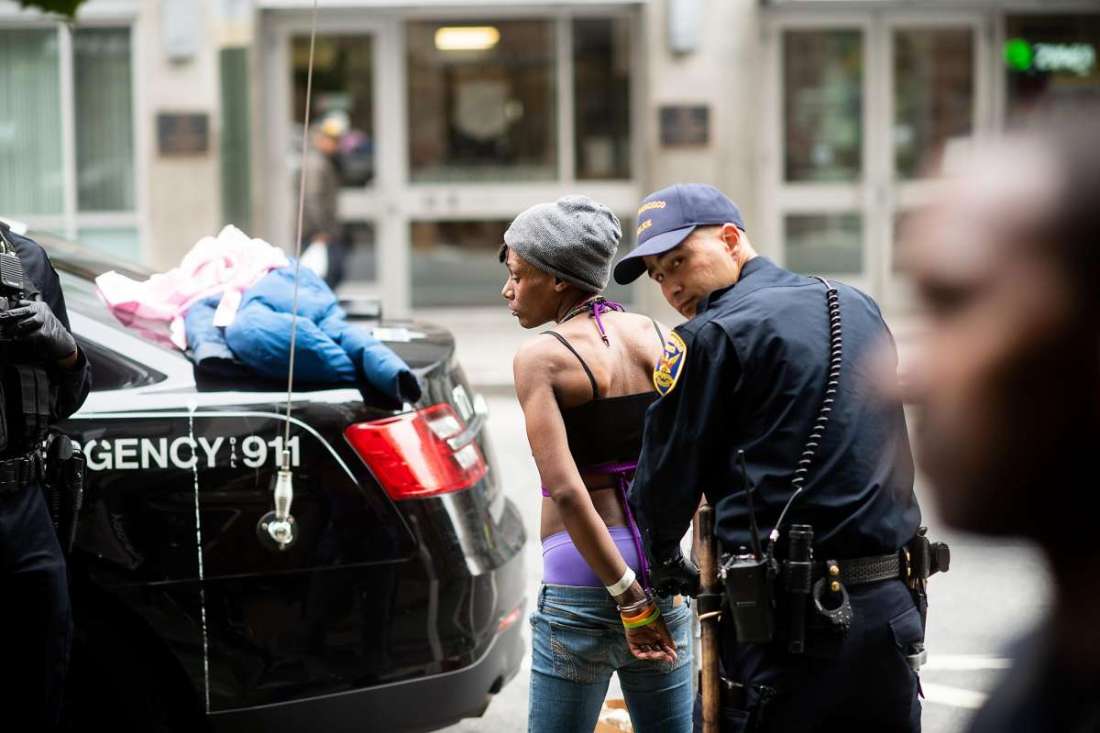
San Francisco’s newly appointed top federal prosecutor announced a sweeping initiative Wednesday to arrest and charge dope peddlers in the city’s notoriously drug-plagued Tenderloin neighborhood.

The effort to clean up the district — named the “Federal Initiative for the Tenderloin,” or FIT — comprises 15 federal agencies, including the U.S. attorney’s office, the FBI, the Drug Enforcement Administration and Homeland Security.

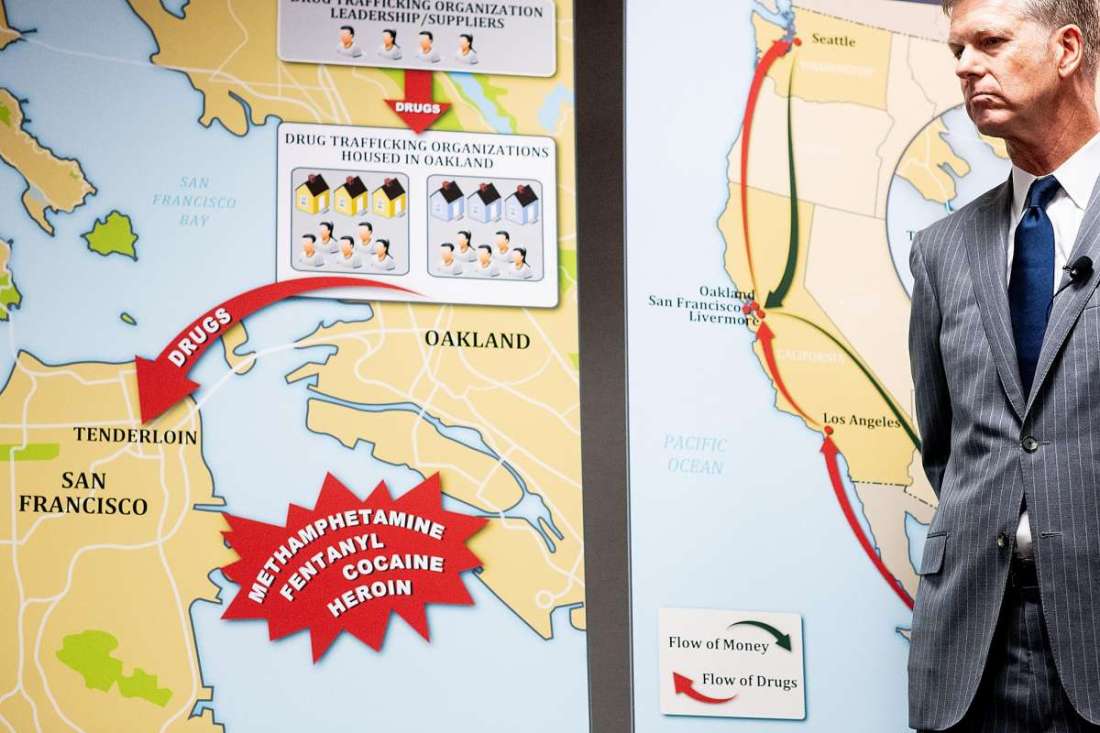
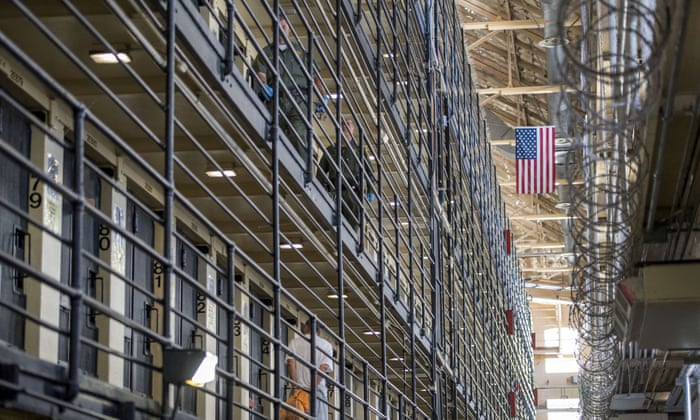
U.S. Attorney David Anderson (pictured below) unveiled the effort as federal authorities were making arrests following federal charges against 32 defendants — mostly Honduran nationals — who were accused in a complex Bay Area drug trafficking operation that allegedly extended from the southern U.S. border to Seattle.

Drug crackdown SF II 8.7.2019

“The Tenderloin has become a magnet for retail drug trafficking to an extraordinary degree,” Anderson said at a news conference. “It is my belief that those people living, working and visiting the Tenderloin neighborhood should not be required to run a gauntlet of crime.”

https://www.sfchronicle.com/crime/article/Feds-launch-initiative-to-crack-down-on-drug-14288145.php#photo-18042676

Controversial school mural gets NAACP support. “Critiques American History.”

It is reassuring that a diverse segment of the San Francisco political and cultural community is banding together to preserve an interpretation of American history that needs to be remembered.

Excerpted from San Francisco Examiner 8.6.2019

Black community leaders say mural was intended to ‘critique American history’

Leaders from San Francisco’s black community on Tuesday announced their opposition to efforts by the school district to remove a New Deal era mural inside of George Washington High School considered offensive by some community members.

Calling the board’s vote “cotton candy politics,” the group’s president, Rev. Amos Brown, defended the mural as a crucial reminder of the unjust treatment of African Americans in San Francisco and across the nation.

“We cannot deny the fact that slavery was a reality in this country for 350 years…George Washington was complicit in the barbaric treatment of my ancestors,” Brown said.

GW Mural I 7.8.2019

“The persons who express concern over this mural were I’m sure well intentioned — but it would be majoring in minor things for us to do a whole lot of brouhaha regarding a mural that the original artist did because he wanted it to critique American history,” said Brown, who on Tuesday was joined by local NAACP Vice President Rev. Arnold Townsend.

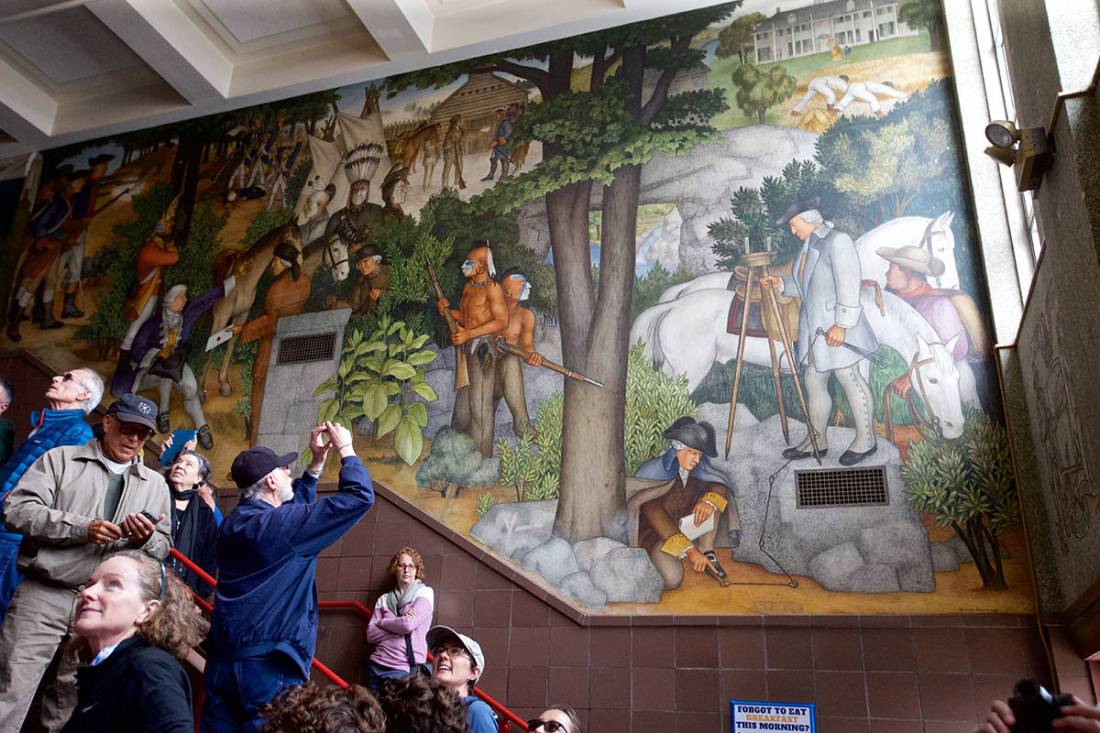
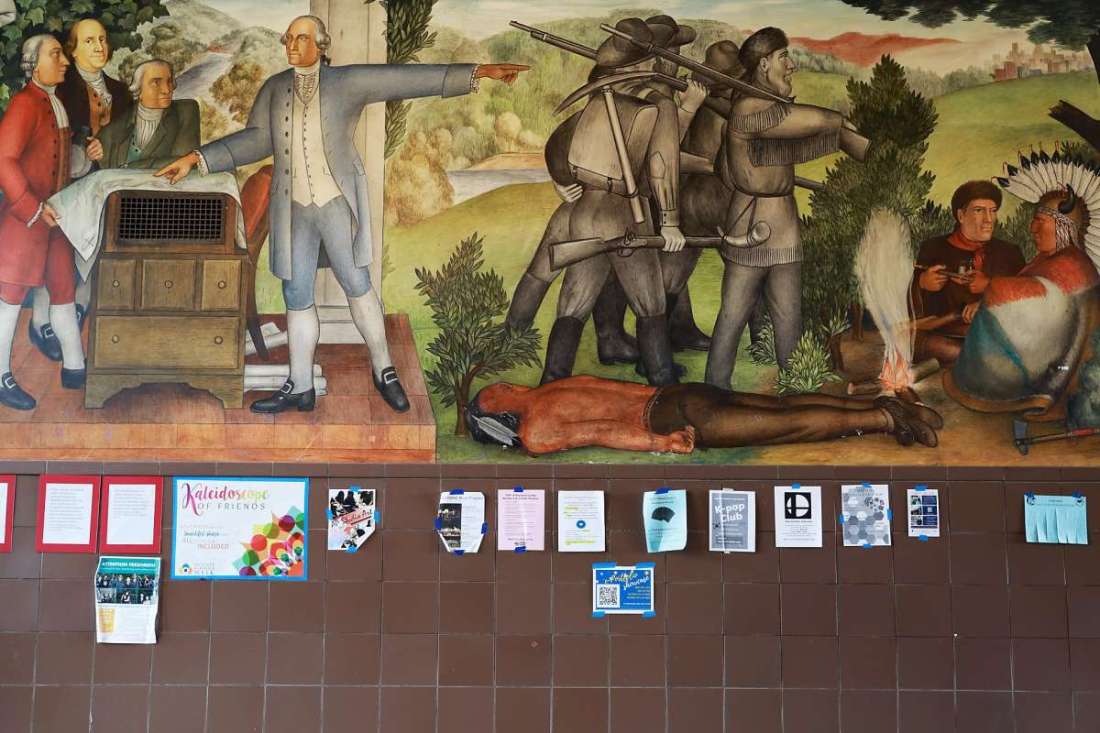
Supporters of the 1936 mural by Russian painter Victor Arnautoff have argued that it was meant as a critique of manifest destiny and of Washington’s legacy, and that the imagery is a subtle expression of the Russian painter’s critical views of American history.

The mural was ordered painted over by the San Francisco Unified School District board in June at a projected cost of $600,000, in a decision that made national headlines. The mural, the “Life of Washington, depicts enslaved African Americans shucking corn and white colonizers towering over a dead Native American, among other things.

Supporters of the mural, which include members of the high school’s alumni association, have threatened to challenge the decision with a ballot initiative.

On Tuesday, leaders with the local branch of the National Association for the Advancement of Colored People (NAACP) called on the school board to walk back its decision, echoing arguments made previously by arts preservationists and free speech advocates that likened the effort to censorship.

GW Mural II 7.8.2019

Columnist Noah Griffin, a former student at the high school, called the debate over the mural a historic intersection of art, censorship and history.

“Save it, learn from it, teach from it — they did not destroy the concentration camps [in Germany]— The ovens are preserved to serve as a ghastly reminder of a history vowed to happen never again,” said Griffin. “Those panels don’t honor Washington, they expose him.”

But school board leaders have said that in taking action on a decades-old debate over the mural’s value in the present day, they are aiming to support the experiences and activism of students.

At multiple school board hearing on the issue, teachers, parents and students said that the mural made them uncomfortable and had no place in a public high school.

School Board member Alison Collins said that the fight to save the mural is more about “power” than about the students confronting history in their lives each day.

“People want to maintain a narrative that makes them feel good and they are willing to override recommendations made by the community that is most harmed by the mural to do that,” said Collins.

“This is beyond even a political issue — this goes into our core [beliefs] that some people’s voices are more important than others. It doesn’t matter that we follow a democratic process, what matters is money and power and people are flexing,” Collins said.

Members of the school’s Black Student Union first called for the removal of the mural during the Civil Rights movement. At the time, the school district hired black artist Dewey Crumpler to paint a response mural at the school portraying the positive achievements of Native and African Americans.

Students, teachers and parent advisory councils at the school in recent months renewed calls to address the murals, which they said lack context, perpetuate racist stereotypes and are offensive to black and brown students who attend the school.

Crumpler, who attended another high school in the district, said he became aware of the mural in 11th grade and was initially “appalled” by the imagery, but added that after studying it, he learned to understand Arnautoff’s intentions.

“Arnautoff used symbolism — that’s images that serve much deeper meaning,” said Crumpler. “Art’s role is to make us uncomfortable with the status quo so we can be about this business of change.”

https://www.sfexaminer.com/news/movement-to-preserve-controversial-mural-gets-support-from-naacp/


Heavy Price for pushing human rights. China denies entry to German Greens.

Speaking out for human rights is a risky proposition..  Be it in the biggest nation state or smallest. The Gatekeepers will monitor, impede and crush dissent.

Excerpted from Deutsche Welle 8.5.2019

Germany’s Green party says China has rejected a Bundestag delegation because one of its members is a vocal supporter of the Muslim Uighur minority. Another committee’s plans to travel to China are also in doubt.

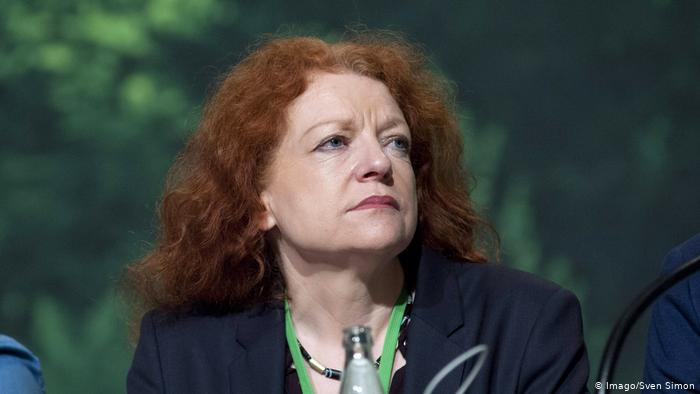
But the trip appeared to be under threat due to China’s apparent refusal to let in one of the committee members, Margarete Bause (pictured above), the Green party said Saturday.

“I see that as an attempt at silencing parliamentarians who support human rights loudly and clearly,” Bause said.The Green parlimentarian wrote in a letter to the committee that she still wanted to participate in the trip and saw no reason why it should be abandoned.

Margarete Bause I I 8.5.2019.jpg

“This will only strengthen my work for human rights,” she added on Twitter.

The Bundestag committee on digitization is supposed to visit startups and learn about artificial intelligence in Shanghai and Beijing later this month.

Bause, who has a long history of expressing support for the human rights of the Uighur Muslim minority in China, was supposed to join the trip as a temporary committee member, standing in for her party colleague and the committee’s head Dieter Janecek.

“The Chinese message — which states that as long as I am on the list, the delegation cannot travel to China — is absolutely unacceptable,” Bause told German news agency dpa.

https://www.dw.com/en/china-denies-entry-to-german-greens-party/a-49883911


‘White replacement theory’ motivates vicious alt-right killers the world over

These vicious killers have been overlooked by American law authorities who have never expended sufficient resources to  hunt down these deranged people who present a Clear and Present Danger.  The statutes are insufficient and the will to vigorously eradicate this menace are lacking at the highest levels of government. Until the full power of the government is unleashed these horrific events will continue unabated.

 Excerpted from The Guardian 8.5.2019

This conspiracy theory is influencing killers from Germany to New Zealand and now, it seems, El Paso

This attack is a response to the Hispanic invasion of Texas.” Those were the words that appeared in a manifesto published shortly before the deadly shooting in El Paso on Saturday. More than half of so-called “alt-right killers” are motivated by the “white replacement” theory, which refers to the belief that white people will be systematically replaced by black and brown migrants. The killer in El Paso, who law enforcement believes authored the memo, is apparently no exception.

The white replacement theory is actually made up of two sub-conspiracies: “the great replacement” theory, which originated in France, and “the white genocide theory”, which comes from the US. Together, the theories are among the most widespread ideologies in far-right spaces, and the primary catalysts of far-right mass violence.

The great replacement can generally be understood as two core beliefs. The first is that “western” identity is under siege by massive waves of immigration from non-European/non-white countries, resulting in a replacement of white European individuals via demographics. The second is that replacement has been orchestrated by a shadowy group as part of their grand plan to rule the world – which they will do by creating a completely racially homogenous society. This group is often overtly identified as being Jews, but sometimes the antisemitism is more implicit.

These beliefs have proliferated in mass killer texts for the past eight years. They are generally understood as having begun with Anders Breivik, the Norwegian mass shooter whose 1,500-page manifesto expressed a fear of white ethnic replacement by migrants from the Middle East and North Africa. This same fear cropped up in the manifestos of several more mass killers in Europe, before making its way to the rambling screed published by the Christchurch shooter, which was titled The Great Replacement. The Christchurch manifesto begins with: “It’s the birthrates. It’s the birthrates. It’s the birthrates.” It was directly inspired by Breivik – and he, in turn, inspired the El Paso shooter.

The El Paso shooter begins his text by writing: “In general, I support the Christchurch shooter and his manifesto. This attack is a response to the Hispanic invasion of Texas. They are the instigators, not me. I am simply defending my country from cultural and ethnic replacement brought on by an invasion.”

https://www.theguardian.com/commentisfree/2019/aug/05/great-replacement-theory-alt-right-killers-el-paso

Trump faces barrage of criticism. His Base is Happy. He couldn’t care less.

H. Rap Brown  said, “Violence is American as Apple Pie.”  That was 50 years ago and with the Racist White Nationalist in power, Mr. Brown has been proven all too correct. The President’s Base is acting out its nihilistic fantasies in real time.

Excerpted from The Guardian 8.4.2019

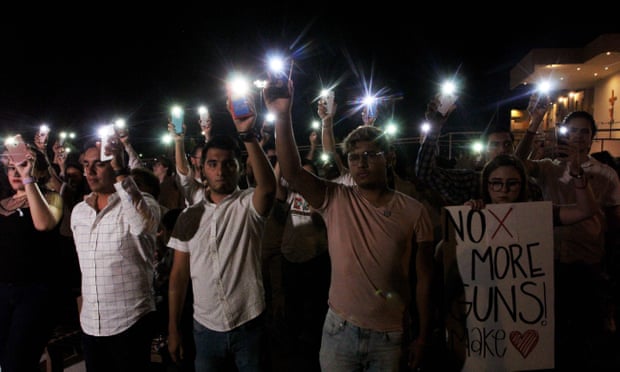
People hold their mobile phones with flash on during a vigil in Ciudad Juárez, Chihuahua state, on Saturday after a mass shooting which left 20 people dead in El Paso, Texas. Photograph: Hérika Martínez/AFP/Getty Images

Donald Trump faced a barrage of criticism on Sunday as the US reeled from a brutal mass shooting in the border city of El Paso, Texas, on Saturday, linked to white nationalism and anti-immigrant hate rhetoric.

Trump made no reference to the nature of the alleged hate crime in El Paso and did not speak about gun control, but added: “Hate has no place in our country. We’re going to take care of it.”

A total of 20 people were killed in the majority Latino city, nestled in western Texas on the US-Mexico border, as federal authorities investigated a potential hate crime and local prosecutors charged a 21-year-old white man, Patrick Crusius, with murder and said they would pursue the death penalty.

The suspect was from the town of Allen 650 miles from the site of the shooting, at a busy Walmart in the city.

Less than 13 hours later another mass shooting took place in the city of Dayton, Ohio, leaving nine dead there and bringing the total injured from both shootings to at least 52.

Authorities in Dayton named the shooter as 24 year-old Connor Betts and listed the names of the nine people killed, which included the shooter’s 22-year-old sister Megan Betts.

Police in El Paso were examining a hate-riddled message on the website 8chan, posted around 20 minutes before Saturday’s attack, in which the author expressed sympathy for a white nationalist massacre at mosques in Christchurch, New Zealand, a few months ago, and which stated: “This attack is a response to the Hispanic invasion of Texas.”

Donald Trump eventually addressed reporters over a day after the shooting in El Paso, having sent a few short tweets and issuing a presidential proclamation to lower flags to half mast earlier in the day.

As the US president travelled back to the White House from his golf resort in Bedminster, New Jersey, Trump said: “I want to extend our condolences from El Paso, Texas and Dayton, Ohio. They’re incredible people, they’ve been through a lot.”

https://www.theguardian.com/world/2019/aug/04/mass-shootings-el-paso-texas-dayton-ohio


Prison Radio: from San Francisco. Uncensored, incarcerated voices

In  the American era of increasing mass violence a result of incendiary, white nationalist racism Twittered by the current White House incumbent there are other voices which need to be heard.

San Francisco Examiner 8.4.2019

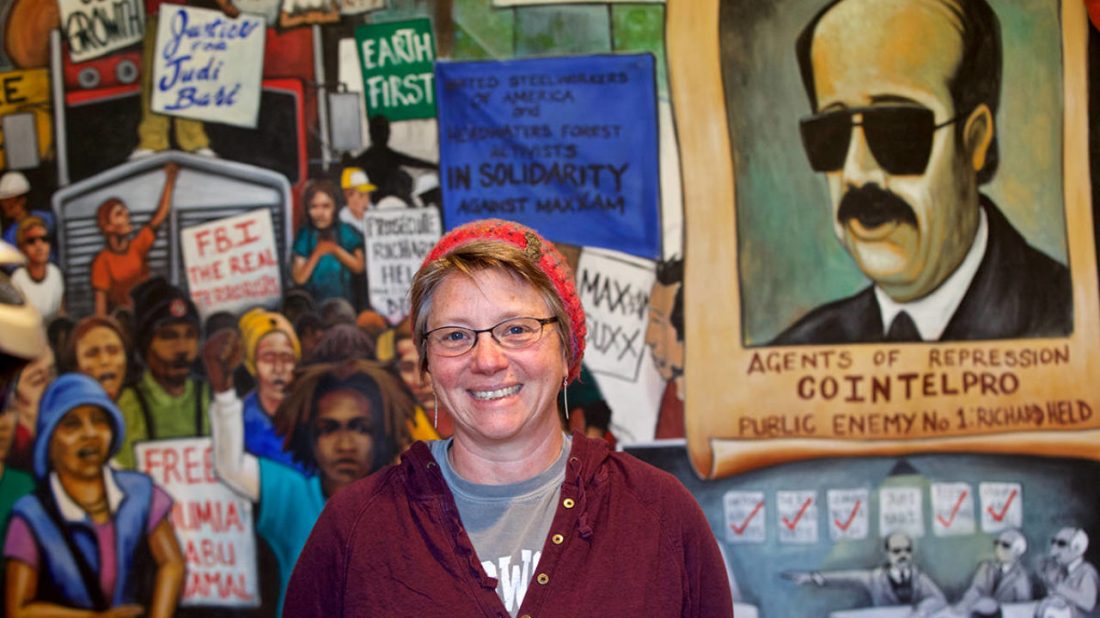
“We have a deep braid of tech industry and a big progressive tradition in the Bay Area,” said Jennifer Beach, (pictured above) co-founder of Prison Radio, recording and broadcasting uncensored, incarcerated voices since the dawn of the internet.

“When we started Prison Radio, you had to do a DAT recording to get broadcast quality; it was difficult, you had to send out tapes to people,” said Beach whose first base of operations with founder Noelle Hanrahan was their 24th Street apartment. Over 25 years later, “We have streamable quality recordings that go up in a few days,” she said.

The walls of Prison Radio’s small Mission District office are lined with flyers, posters and images of Mumia Abu-Jamal, a political activist and journalist who is serving a life sentence. The art was sent from around the world by artists in solidarity with Abu-Jamal. Shelves and floors overflow with books, including Abu-Jamal’s latest, “Murder Incorporated: Empire, Genocide, Manifest Destiny.” Prison Radio’s first publishing venture, the book was co-written by Abu-Jamal and Stephen Vittoria, director of the film, “MUMIA: Long Distance Revolutionary,” from which a collaboration was born.

“We felt so passionate about this material and that you can’t curtail it,” said Jones, though there is hardly unilateral love for Abu-Jamal’s revolutionary voice.

“The Fraternal Order of Police objected to the publication of Mumia’s first book and floated a banner over the publishing company,” explained Beach, who’s also confronted resistance by broadcast media.

“In the early ‘90s Mumia Bu-Jamal got a contract with ‘All Things Considered,’” she remembered. “Bob Dole mentioned it on the senate floor and threatened to lead the charge to cancel all funding on NPR and NPR dropped the show.”

Nevertheless, by the mid-’90s, Prison Radio found a home for its content on the early days of the internet, back when dreams of a more democratic and just society were alive and before the web’s dominance as a sales, marketing and surveillance tool. In the current age of hashtag activism, Prison Radio remains visible via alternative media, though locally it belongs to a vital network working to change public policy around mass incarceration and reduce America’s statistics of over two million people in prison (the U.S. is the world’s largest jailer).

Prison Radio III 8.4.2019.jpg

“Mumia would tell you this is his magnum opus,” said Vittoria. “The narrative of the book is in many respects the narrative of Mumia’s journey. We wanted to tell the story of the people who are on the wrong end of capitalist wars and empire, the victims instead of the victors, the stories often left untold,” he said. The pair were inspired by “A People’s History of the United States” by Howard Zinn, which served as their guidepost during the writing process.

“There was the normal passing back and forth work of collaboration,” explained Vittoria. “Only one man is free and the other is incarcerated, literally and figuratively handcuffed.”

Abu-Jamal was convicted in 1981 of shooting Philadelphia police officer Daniel Faulkner. He and supporters maintain his innocence and have worked tirelessly for four decades to study the law and appeal the case when possible. Through the years he’s written over a dozen titles for various publishers, including his memoir, “Live From Death Row” (his sentence was commuted in 2011 from death to life in prison).

“I became aware of Prison Radio through the publishing industry,” said Prison Radio’s Keasley Jones, formerly of Peachpit, a press specializing in web design and development books. He remembers a sales conference at which he heard about Abu-Jamal’s first book “Live From Death Row.”

“It was the most moving, impassioned and inspirational presentation I saw in my entire career in publishing,” said Jones, who over 20 years later, is hands-on selling Abu-Jamal’s new book.

“Publishers aren’t reticent to take on a book by Mumia, in fact, quite the opposite,” said Jones of Abu-Jamal’s prophetic, poetic style and rigor as a journalist. “He has a following.” However, at 1,400 pages, “Murder Incorporated” proved daunting to traditional publishing houses which is how Prison Radio ended up with the three volume work.

https://www.prisonradio.org/contact

https://en.wikipedia.org/wiki/Prison_Radio

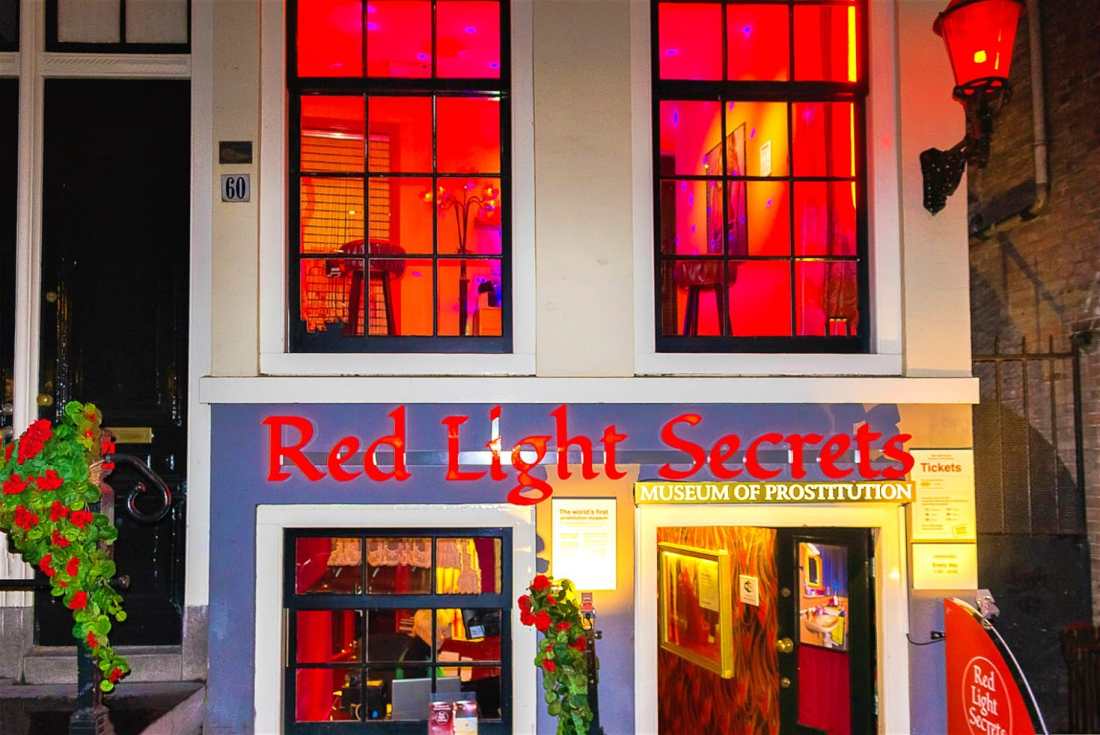
Amsterdam: Male sex workers occupy red light district

I stayed at a Pension for a month in Amsterdam’s Red Light District during the time I traveled and lived in Europe. The neighborhood was very friendly.  The sex workers were an integral part of the environment.

Deutsche Welle 8.3.2019

Traditionally home to female and transgender prostitutes, activists hope the neighborhood’s famous windows can be opened up to all sex workers. The equality campaign is part of Amsterdam’s Gay Pride festival.

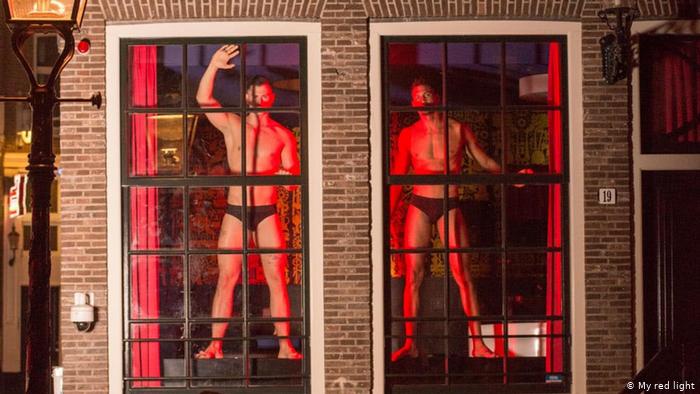
Several men on Saturday displayed their half-naked bodies in some of the tall windows that make up Amsterdam’s Red Light District.

The protest is part of a call for equal rights in Europe’s most liberal tourist destination, which is mostly inhabited by female and transgender female sex workers.

Prostitutes rent a room in the De Wallen neighborhood and use one of the 300 or so windows to advertise their services.

Amsterdam II 8.3.2019.jpg

But despite making up 5% of the estimated 25,000 sex workers operating in the Netherlands, men are rarely seen.

The so-called occupation of the Red Light District organized by the non-profit campaign group My Red Light, which rents rooms to sex workers and advocates for improved rights and labor conditions.

Vulnerable to exploitation

Campaigners insist that male sex workers also need safe spaces to operate from, noting that many men experience violence, abuse and exploitation while carrying out their work.

Organizers said the men taking part in the photoshoot are models and not available for sex.

Saturday’s protest forms part of Amsterdam’s Gay Pride festival, which runs until Sunday, and which attracts hundreds of thousands of visitors every year.

Amsterdam’s first female mayor, Femke Halsema, recently announced plans to repair De Wallen’s reputationas a dangerous part of the city, amid a rise in drunken tourists, bachelor parties, human trafficking and drug use.

She also noted a major increase in unlicensed, underground prostitution.

https://www.dw.com/en/amsterdam-male-sex-workers-occupy-red-light-district/a-49877704


Black Mirror. Twilight Zone for the 21st Dystopian Century

Black Mirror was recently brought to my attention. A mind bending five season “Series” (2011-2019). Netflix purchased Black Mirror from Brtitish Channel 4 after the second “Series.” The most recent Black Mirror”Series” was this year with a “Series” 6 in the planning stages.

Rod Serling’s classic Twilight Zone was a hit in America in the late 1950’s and 1960’s with its mysterious, dark, humorous and jaded look at mid 20th century America. I watched it regularly and believe it impacted my world view as I moved from youth into adulthood. The Twilight Zone caused me to view American life in a more realistic and sober manner.

Black Mirror does the same for the 21st century Blader Runner 2049 audience.

Excerpted from Wikipedia

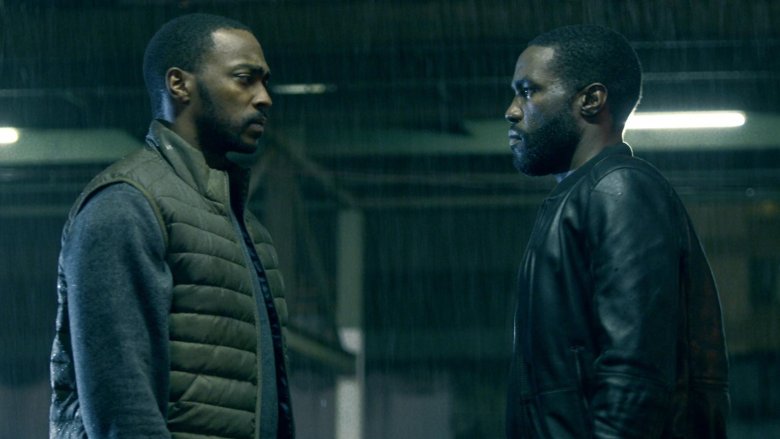
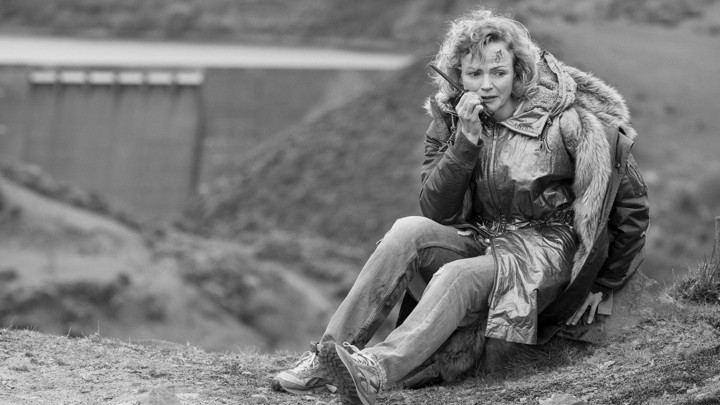
Black Mirror is a British science fiction anthology television series created by Charlie Brooker, with Brooker and Annabel Jones serving as the programme showrunners. It examines modern society, particularly with regard to the unanticipated consequences of new technologies. Episodes are standalone, usually set in an alternative present or the near future, often with a dark and satirical tone, though some are more experimental and lighter.

Black Mirror III 8.2.2019

Black Mirror was inspired by older anthology series like The Twilight Zone, which were able to deal with controversial, contemporary topics without fear of censorship. Brooker developed Black Mirror to highlight topics related to humanity’s relationship to technology, creating stories that feature “the way we live now – and the way we might be living in 10 minutes’ time if we’re clumsy.”

The series premiered for two series on the British television channel Channel 4 in December 2011 and February 2013. After its addition to the catalogue in December 2014, Netflix purchased the programme in September 2015. It commissioned a series of 12 episodes later divided into the third and fourth series, each six episodes; the former was released on 21 October 2016 and the latter on 29 December 2017. A standalone interactive film titled Black Mirror: Bandersnatch was released on 28 December 2018. A fifth series consisting of three episodes was released on 5 June 2019.[1]

Black Mirror II 8.2.2019.jpg

The series has garnered positive reception from critics, received many awards and nominations, and seen an increase in interest internationally, particularly in the United States after its addition to Netflix. Two episodes, “San Junipero” (from the third series) and “USS Callister” (fourth series), won a total of six Emmy Awards, with both episodes winning Outstanding Television Movie.

https://en.wikipedia.org/wiki/Black_Mirror

Robert F. Kennedy Grand daughter Dies After Overdose at Family’s Compound

Kennedy Family tragedies  never end.

New York Times 8.1.2019

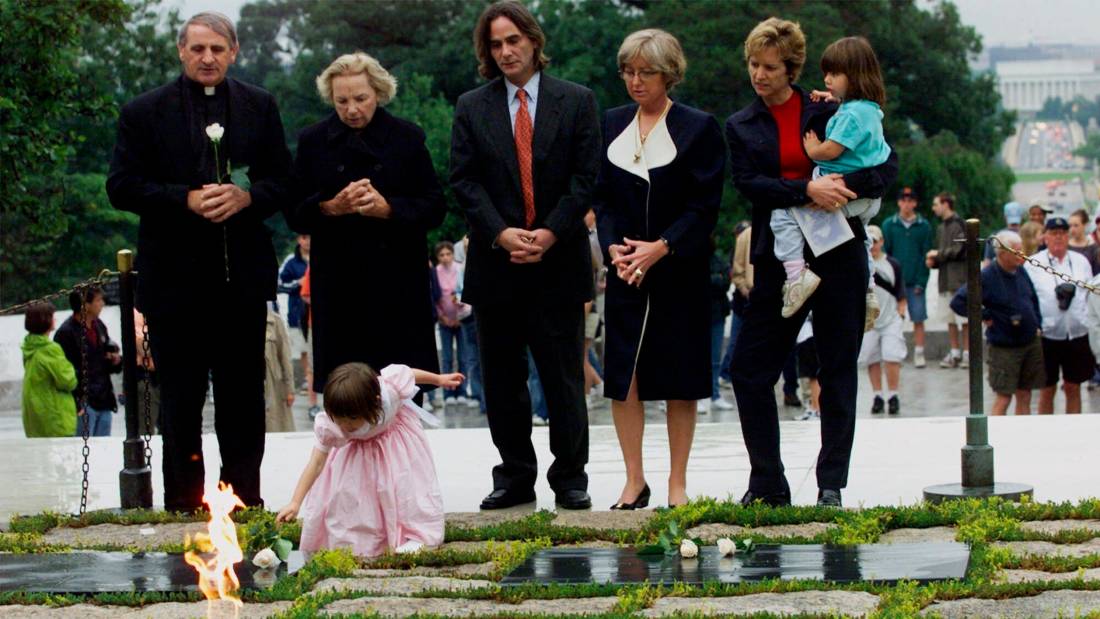
BOSTON — A granddaughter of Robert F. Kennedy died on Thursday afternoon after suffering an apparent overdose at the Kennedy compound in Hyannis Port, Mass., according to two people close to the family.

The young woman, Saoirse Kennedy Hill, 22, was the daughter of Courtney Kennedy Hill. She was at the compound, where her grandmother, Ethel Kennedy, lives, when emergency responders were called on Thursday afternoon, the family friends said. She was taken to Cape Cod Hospital in Hyannis, where she was pronounced dead.

“Our hearts are shattered by the loss of our beloved Saoirse,” the Kennedy family said in a statement. “Her life was filled with hope, promise and love.”

The statement quoted Ethel Kennedy, 91, Robert F. Kennedy’s widow, as saying, “The world is a little less beautiful today.”

Kennedy Daughter II 8.1.2019.JPG


The authorities issued a statement confirming a death at the property but did not disclose the identity of the victim or the cause of death. “Early this afternoon Barnstable police responded to a residence on Marchant Avenue in Hyannis Port for a report of an unattended death,” said Tara Miltimore of the Cape and Islands District Attorney’s Office. “The matter remains under investigation by the Barnstable police as well as state police detectives assigned to the Cape and Islands District Attorney’s Office.”

Before enrolling in Boston College, where she was a communication major and vice president of the College Democrats, Ms. Kennedy Hill wrote about her struggles with depression and mental illness for the student newspaper at Deerfield Academy, a private preparatory school in Massachusetts, in 2016. Her depression, she wrote, “took root in the beginning of my middle school years and will be with me for the rest of my life.” She described “deep bouts of sadness that felt like a heavy boulder on my chest.”

Ms. Kennedy Hill spent part of her childhood in Ireland, and often said she was proud of her Irish heritage and her Gaelic given name, which means freedom. Her father, Paul Michael Hill, is one of the Guildford Four, who were falsely accused of involvement in Irish Republican Army bombings; he was imprisoned for 15 years before his conviction was overturned. He and Ms. Kennedy Hill’s mother married shortly after his release in 1993, and separated in 2006.

Ms. Kennedy Hill marched in Cape Cod with her mother in March 2018 as part of a nationwide protest against gun violence, according to The Barnstable Patriot.

The Kennedy compound on Cape Cod is the storied summer residence of one of America’s most enduring political dynasties. It consists of three white clapboard houses on six acres of waterfront property along Nantucket Sound and was originally the home of Joseph P. Kennedy, the patriarch of the Kennedy clan.

The compound was a base of operations for the presidential campaign of his son John F. Kennedy in 1960, and later served as a summer White House. Senator Edward M. Kennedy kept the home as his primary Massachusetts residence for several decades until his death in 2009.

In 2012, the Kennedy family donated the main house to the Edward M. Kennedy Institute for the United States Senate.

The death adds to a litany of tragedies that have befallen the Kennedys and taken on the grim aura of a family curse. President Kennedy and Senator Robert F. Kennedy were both slain by assassins. Their brother Joseph P. Kennedy Jr. was killed in World War II, and their sister Kathleen Cavendish died in a plane crash in 1948. The president’s son, John F. Kennedy Jr., was killed in 1999 when the airplane he was flying crashed into the Atlantic Ocean off Martha’s Vineyard; his wife and sister-in-law were on board and were also killed.

Several other Kennedys have died young or in accidents, including Ms. Kennedy Hill’s uncle David Anthony Kennedy, who struggled with alcohol and drug addiction and was found dead in 1984 in a hotel in Palm Beach, Fla. Thirty years later, when Ms. Kennedy Hill was 16, she wrote in a message to her uncle that she posted online: “You were a kind, gentle spirit that went through unimaginable struggles in your life. It saddens me to know that we will never meet in this world, but I know I will see you up in heaven with my grandfather, Uncle Michael, and other family members.”

Last month marked the 50th anniversary of Chappaquiddick, another Kennedy family tragedy that took place when Edward Kennedy drove off a bridge on a small island next to Martha’s Vineyard. The accident killed Mary Jo Kopechne, the 28-year-old passenger in Mr. Kennedy’s car.


Berlin: Germany’s oldest zoo turns 175

The Zoo is not only a place to imprison captured animals.  The Berlin Zoo at one time had exhibits featuring human beings.  We spent an afternoon at the Berlin Zoo in September 2018.  The Zoo includes an Exhibit from the American West of the 19th century complete with several Buffalo.
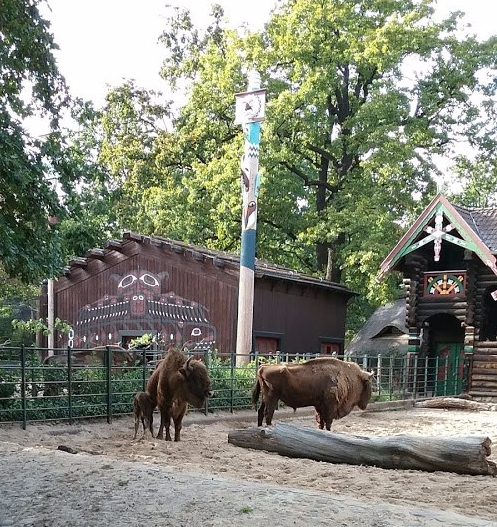
 

berlin-zoo-iv-8.1.2019.jpg

Photo – Lee Heidhues

Excerpted from Deutsche Welle 8.1.2019

Since its opening in 1844, the development of the Berlin Zoo has directly reflected the history of Germany. Here’s how colonialism, the Nazi era and the Cold War left their mark on the institution.

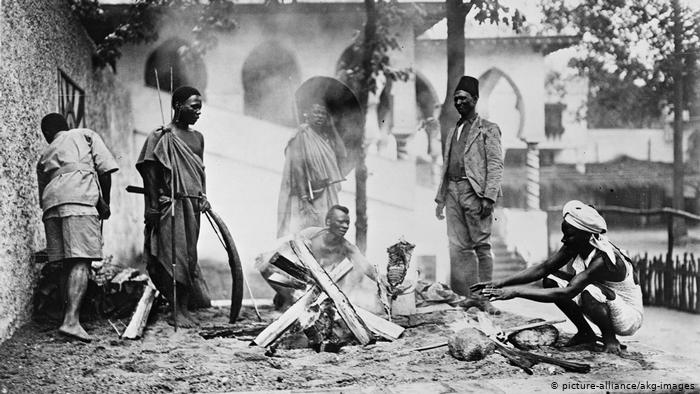
Humans exhibited until the 1930s

But it was not just the many new buildings and growing diversity of animals that attracted more and more visitors.

Colonial history also left its mark: In 1878, the zoo set up its first so-called ethnological exposition, where people were shown in their exotic “natural” state. It started with a small group of Inuit; following the success of the “Eskimos,” additional spaces showing Nubian and Sami people were added shortly afterwards. 

The Berlin Zoo had “actors” portraying foreign peoples up until 1931. One of the last shows had women from the ​​Lake Chad area in Central Africa, and they were promoted by  the press as “Lippennegerinnen” (female Negroes with lip plates).

The idea of setting up a zoo in Berlin, inspired by the London model, was supported by the world-famous natural scientist and explorer Alexander von Humboldt as well as by the garden and landscape designer Peter Joseph Lenne. The project reflected mid-19th century ideals, promoting the education of citizens.


When the zoological garden opened 175 years ago on August 1, 1844, most Berliners found its location too remote. To get there, they had to cross the Tiergarten park, the former hunting grounds of the kings that was outside the city walls, by the Brandenburg Gate.

The zoo didn’t have too much to show at its beginnings either. It started out with 47 animals, donated by Prussian King Friedrich Wilhelm IV. The monkeys, bears and birds mostly came from his dissolved royal menagerie on Pfaueninsel (“Peacock Island”).

In comparison, today, with its 20,000 animals and 13,000 species, the Berlin Zoo boasts the most diverse animal collection in the world.

The development of the Berlin institution directly reflects the history of Germany, from a Prussian kingdom to a unified country, as Clemens Maier-Wolthausen has shown in his book looking into the history of Germany’s oldest zoo, titled Hauptstadt der Tiere (The animals’ capital).

“The zoo founded in 1844 remained small and insignificant in the first three decades of its existence,” he told DW. “It did not attract many visitors.” By the 1970s, industrialization and the great economic upswing that had allowed the city to grow in importance also led the  Berlin Zoo to become a leading zoological institute in Europe: “The businesspeople and merchants in Berlin loved and supported their zoo,” said Maier-Wolthausen.

In the early 1870s, exotic-looking buildings were added to the zoo, such as the antelope house with its four minarets, an Indian elephant house and the famous elephant gate at the entrance. The Moorish-inspired palaces, log cabins and half-timbered buildings were designed to represent the foreign lands from which the animals came. Huge, richly decorated restaurants as well as concerts made the zoo even more popular.

After the turn of the century, the zoo became a central attraction in Berlin. At the beginning of the First World War in 1914, the now world-famous zoological garden had a collection of about 3,500 animals.

The war however made international animal trade impossible, and after that, hyperinflation struck another major blow to the zoo: On October 1, 1922, it closed for half a year.

From the Golden Twenties to the Nazi era

After the stabilization of currency in 1924, the zoo experienced its golden age. The first baby monkey was even born there — unfortunately, the chimpanzee mother died shortly after giving birth. In 1928, a first baby elephant was born as well, and crowds flocked to the Berlin Zoo. That same year, the two-year-old gorilla Bobby arrived, and he proved to be so popular that his depiction would later become the logo of the zoo.
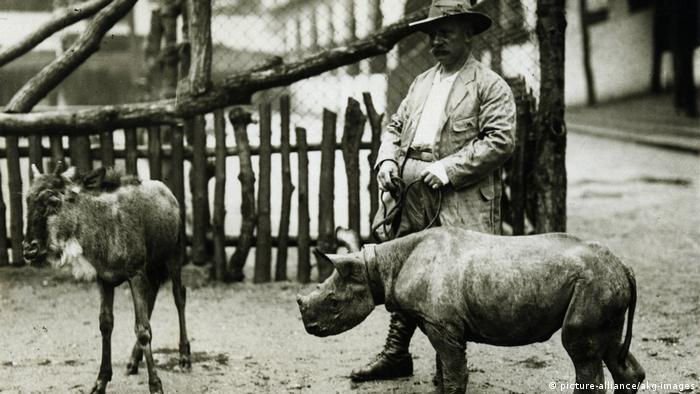
 A zoo keeper with a baby rhino and a goat (picture-alliance/akg-images)Regaining popularity: A zoo keeper in 1925 with a baby rhino and a goat


Under the Nazis, the zoo directors, supervisory board and the workforce were at the service of the new rulers. Jewish shareholders were expropriated, while top Nazi leader Hermann Göring was given young lions as pets.

During World War II, the zoo was reduced to rubble and ashes. Only 91 of the 3,715 animals survived the war.

In 1955, East Berlin opened its own zoo, the Tiergarten. After the fall of the Berlin Wall, the two zoological gardens were united through a new administration. The “Zoological Gardens of Berlin” now attract five million visitors every year. Some animals, like the little polar bear Knut, contribute to the zoo’s lasting reputation by becoming world-famous stars.
berlin-zoo-v-8.1.2019.jpg

Photo – Lee Heidhues

https://www.dw.com/en/germanys-oldest-zoo-turns-175/a-49850112