In response to comments by three members of the San Francisco Board of Supervisors in the March 23, 2021 online Chronicle. The comments revolve around the HOT issue of keeping JFK Drive in Golden Gate Park car free.
My comments are bold type underlined
soph·ist·ry
/ˈsäfəstrē/
Learn to pronounce
noun
noun: sophistry
the use of fallacious arguments, especially with the intention of deceiving.
Supervisor Shamann Walton – President
“So when we look at segregationist policies like closing JFK to Bayview, Mission, Lakeview, Excelsior communities, that shouldn’t even be considered,” Walton said. “We need to allow Black and brown and all communities of color complete access again now that we’re in the orange tier.”
This argument is beyond nonsensical. What are you talking about? Waving the flag of discrimination is really reprehensible. What we are talking about is a car free environment. People can still drive to GGP and you know it. So, stop this incendiary rhetoric. I expect more from the President of the Board of Supervisors.
Supervisor Connie Chan
Supervisor Connie Chan expressed sympathy for her two colleagues’ positions during Tuesday’s meeting. She said it was hard to get to Golden Gate Park from where she grew up in Chinatown.
“It is a racial equity issue…that consistently for a lot of us immigrants, working families, communities of color, that we have to fight for green space, we have to fight for equity in recreation,” Chan said. “When we have road closures, more often than not, that essentially is what segregation is all about.”
How is it hard to get to GGP from Chinatown? The 5Fulton can be boarded on Market Street and taken directly to Golden Gate Park beginning at Stanyan Street all the way to Ocean Beach.
What do “road closures” have to do with “segregation?” Yes. Road closures inconvenience people who have cars. It forces these people to park and walk. It’s good exercise.
Supervisor Ahsha Safai
“Open up JFK drive,” he wrote. “Residents of the Excelsior, OMI, Outer Mission, Bayview and all neighbors of the Southern portion of the City need to have access to the park as well. Closing JFK takes away access to GGP attractions for many SF families and many communities of color.”
Explain how “Closing JFK takes away access to GGP.” Making GGP park car free requires people, who drive, to park and walk. It’s good exercise.
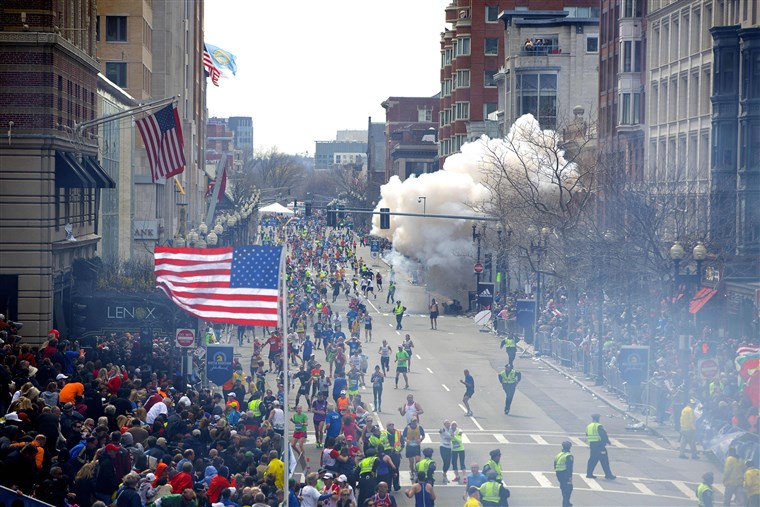
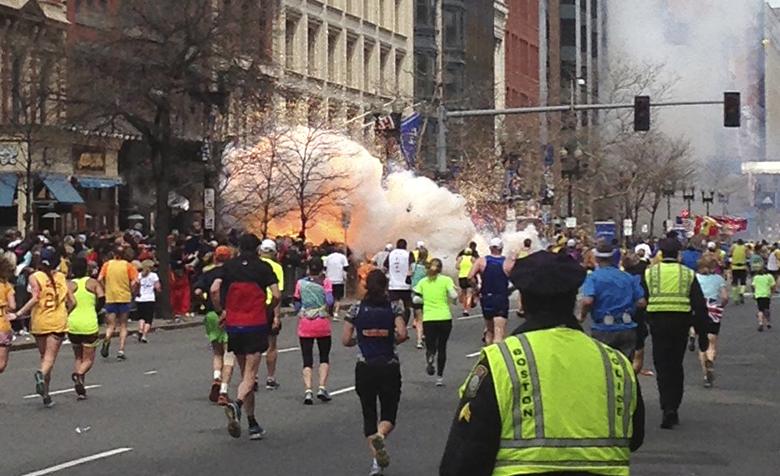
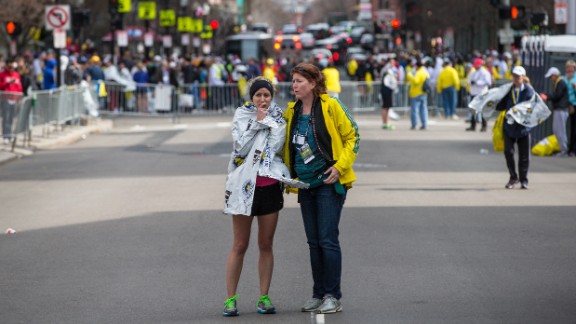
It’s been eight years since the deadly Boston Marathon bombing by the brothers Dzhokhar and Tamerlan Tsarnev which resulted in the deaths of several people and the maiming of nearly 300.
Tamerlan was killed by authorities after the bombing. Dzhokhar was captured, tried and convicted to life on prison. In the last days of the Trump Administration the DOJ asked that the Supreme Court review the sentence and rule that Dzhokhar Tamerlan deserves the death penalty.
The Supreme Court will hear the case in its term beginning next October.
Wall Street Journal 3.22.2021 WASHINGTON—The Supreme Court agreed to consider the Justice Department’s bid to reinstate a death sentence for convicted Boston Marathon bomber Dzhokhar Tsarnaev.
The First U.S. Circuit Court of Appeals, in its decision last summer, said the judge “qualified jurors who had already formed an opinion that Dzhokhar was guilty—and he did so in large part because they answered ‘yes’ to the question whether they could decide this high-profile case based on the evidence.”
The appeals court also said jurors during the penalty phase should have been allowed to hear mitigating evidence that tied Tamerlan to a 2011 triple murder in Waltham, Mass. Dzhokhar’s lawyers had wanted to introduce their evidence as part of their argument that Tamerlan had been previously radicalized, was more culpable in the marathon bombings and influenced Dzhokhar.
The decision didn’t overturn Tsarnaev’s convictions; his lawyers at trial admitted his participation in the 2013 bombings. But the ruling, if it stands, means prosecutors would need to go through a new penalty-phase trial if they hope to have a death sentence reinstated.
Tsarnaev’s legal team said the lower court ruling was correct and asked the justices not to hear the case.
The Justice Department filed its high-court appeal in the final months of the Trump administration, calling the case “one of the most important terrorism prosecutions in our nation’s history” and urging the court to put it “back on track toward its just conclusion.”
The justices will hear the case during their next term, which begins in October.
Tsarnaev and his older brother Tamerlan planted pressure-cooker bombs at the marathon finish line in April 2013, killing three people and injuring more than 260, including 17 who lost limbs. They also shot and killed a campus police officer in Cambridge while trying to flee the region days later. Tamerlan was killed during a confrontation with police.
The appeals court also said jurors during the penalty phase should have been allowed to hear mitigating evidence that tied Tamerlan to a 2011 triple murder in Waltham, Mass. Dzhokhar’s lawyers had wanted to introduce their evidence as part of their argument that Tamerlan had been previously radicalized, was more culpable in the marathon bombings and influenced Dzhokhar.
The decision didn’t overturn Tsarnaev’s convictions; his lawyers at trial admitted his participation in the 2013 bombings. But the ruling, if it stands, means prosecutors would need to go through a new penalty-phase trial if they hope to have a death sentence reinstated.
Tsarnaev’s legal team said the lower court ruling was correct and asked the justices not to hear the case.
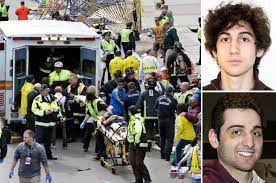
Brothers Dzhokhar and Tamerlan Dzhokhar pictured in insert
President Biden opposes capital punishment, and during last year’s campaign said he would work to end the death penalty at both the federal and state levels. Although the Justice Department is seeking to reinstate the death penalty imposed on Tsarnaev, the legal issues in the case are of broader concern to prosecutors, such as the vetting judges must do to ensure jurors aren’t prejudiced because of pretrial publicity and the type of evidence defendants are entitled to introduce to mitigate their punishment.
White House press secretary Jen Psaki on Monday said Mr. Biden had expressed horror at Tsarnaev’s actions and concerns about the death penalty. She referred enquiries on the specific case to the Justice Department, which declined to comment. Tsaarnaev’s lawyer didn’t respond to a request for comment.
The Trump administration moved aggressively to implement the death penalty after a lengthy hiatus, and put 13 inmates to death in its final months. No federal executions currently are scheduled, and the Biden administration can achieve a moratorium either via a formal declaration or, unofficially, by not initiating the process to inflict the death penalty on some 50 federal inmates under such sentences.
To learn more about the brothers Tsarnaev and the Boston bombing I would reccommend the book “The Brothers” by Masha Gessen (2013). She explores in detail the Tsarnaev’s family history, their immigration to America and the events which led them down the radicalism path which concluded horribly in Boston eight years ago. A link to a 2015 NPR interview with the author is attached.
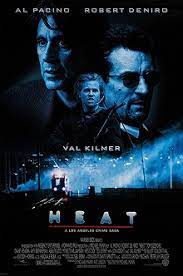
I saw ‘Heat’ in 1995 when it opened at the now shuttered Alexandria Threater in San Francisco. In the intervening years I have watched it, again, several times on DVD.
When ‘Heat’ was released Vanity Fair wrote it was the BEST MOVIE ever released. That observation may be a stretch. But, it is fair to say that ‘Heat’ is a classic piece of crime noir with a human touch.
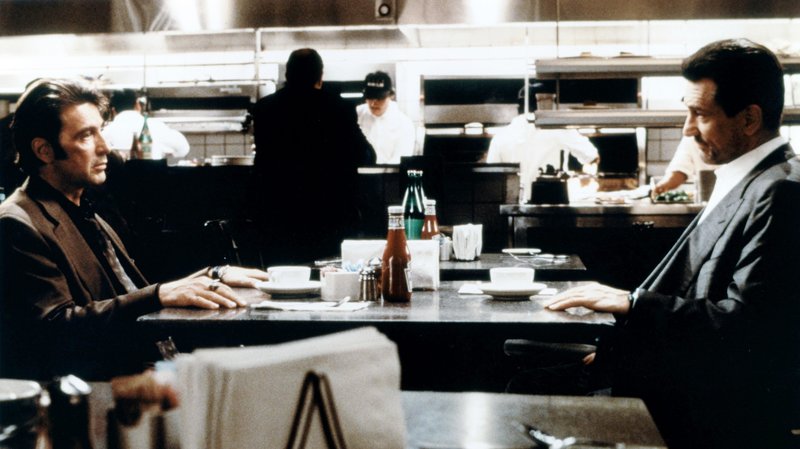
‘Heat’ is the first film in which Al Pacino and Robert DeNiro appeared together. Their late night conversation over coffee is now thought of as a classic moment in American cinema.
NPR – Marc Rivers 9.5.2020
I decided to watch Heat because of the epidemic.
Not the most obvious choice, maybe. With things as bleak as they seem, Michael Mann’s 1995 crime epic doesn’t promise the comforts of a good rom-com like When Harry Met Sally… or a classic family film like Finding Nemo, movies that offer the kind of happy ending we’re looking for these days.
Nor does it provide the perverse pleasures of Steven Soderbergh’s 2011 film Contagion; that film’s take on a global pandemic eerily mirrors our own, and helps us imagine just how bad things could get.
I did watch Contagion during the pandemic, and it did creep me out a little, with its shots of desolate stores and streets. But Heat, which turns 25 years old this year, deals with a more existential kind of emptiness – one that becomes the film’s steady, plaintive bassline against the catchy melody of its cops-and-robbers plotting. And in its own strange and very specific way, it comforted me.
AlPacino’s relentlessdetective Vincent Hanna chases Robert De Niro’s brooding thief Neil McCauly, who’s after “one last score” before he gets out of town. Many filmmakers, from Ben Affleck to Christopher Nolan, have copied the film’s melody — its shootouts, double-crosses and close calls — but few have bothered with that haunting bassline, which conveys the loneliness of modern existence.
Mann evokes that aching feeling visually: Figures framed against cold, hard glass and sharp angles, or overlooking an endless, glittering cityscape – LA as it might have been painted by Edward Hopper.
In one scene, De Niro’s McCauley slinks wearily into his home, somehow silhouetted in rooms already sunk in deep shadow, and leans against a large window that frames a churning body of water and a somber blue sky. Here Mann captures a mood of desperate longing – a need for something too far away to be seen.
Mann often shoots his characters dwarfed by their environments like this. Action filmmakers more given to glamorizing their cops-and-robbers characters — Michael Bay, Peter Berg, David Ayer — tend to avoid having them appear so small and impotent, as they make films that expressly avoid engaging with impotence of any kind.
For the last few months, the threat of COVID-19 has forced millions of Americans to go against our biological and emotional needs and stay apart from one another. Physical touch has gone from comfort to taboo, other people represent potential dangers rather than safe havens.
Feelings of impotence are bound up in our current state of loneliness, in the understanding that you, yourself, are not enough, even as you also understand that you’re unable to do anything about that.
The tragedy in Heat lies with characters who try, and fail, to do something about it. De Niro’s McCauley falls for another lonely soul, but he won’t commit to her, knowing that he’ll always be on the run. Pacino’s Hanna, a ghostly figure in his (third) marriage, comes to life only when he’s out on the hunt for McCauley and his crew. In one muted sequence, Hanna’s wife Justine (played by Diane Verona) speaks of his growing absence in their relationship:
“You walk among the remains of dead people,” she tells him.
And in another quiet conversation — the film’s most famous scene — Hanna and McCauley share a moment of truce over a cup of coffee. As they study each other, cop and criminal, each man begins to see his reflection in the other: a man defined by what he does — and nothing else. Theirs is the most intimate relationship in the film, but the path of collision on which they’re trapped dictates that their closeness cannot last. In the end, only one of the two men will survive.
Even the film’s minor characters seem perpetually on the verge of a sort of disappearance. Hanna’s adolescent step-daughter (a young Natalie Portman), for example, suffers anxiety attacks and retreats into herself because her biological father (pointedly unseen in the film) never shows up for her. An ex-convict (Dennis Haysbert) wants to make an honest living working at a diner, but he must deal with an abusive boss — and a society that would prefer for all those who have entered the industrial prison complex to just disappear.
Ultimately both of these characters will commit acts of self-destruction. Another film might have cut these subplots, but Mann seeks to create a world with living and breathing characters, lost though they might be, existing both at its center and at its margins. In Heat, individuals have both solitude and suffering in common.
Movies don’t have to uplift or inspire, of course. Sometimes they need only to understand. You can find a cathartic release in being understood, and in watching Heat, I felt my own struggle with loneliness understood, and clarified – which is to say: seen. This struggle isn’t new, and many of us grappled with it long before COVID-19, and will do so long after. I feel lucky that I’ve gotten to see some of my loved ones and cherish their company. But even in those fleeting, happy moments when the loneliness subsides, I can’t help but think about the characters in Heat – the cop, the thief, the young girl, the ex-con – who will remain alone.
I am a long time Chronicle subscriber and write the following with total sincerity.
The departure of John Diaz is welcome and long overdue. Like a television sitcom which is past its prime his voluntary departure will hopefully bring a breath of fresh air and opinions in step with the 21st century to the stale Chronicle editorial page. John’s 25 years at the helm have been nothing more than cheer leader and lap dog for the entrenched powers in San Francisco.
The City has changed in the past 25 years. Regrettably, under the leadership of John, the Chronicle editorial page remained embedded in a San Francisco which came crashing down, just like the Embarcadero Freeway and Candlestick Park, years ago.
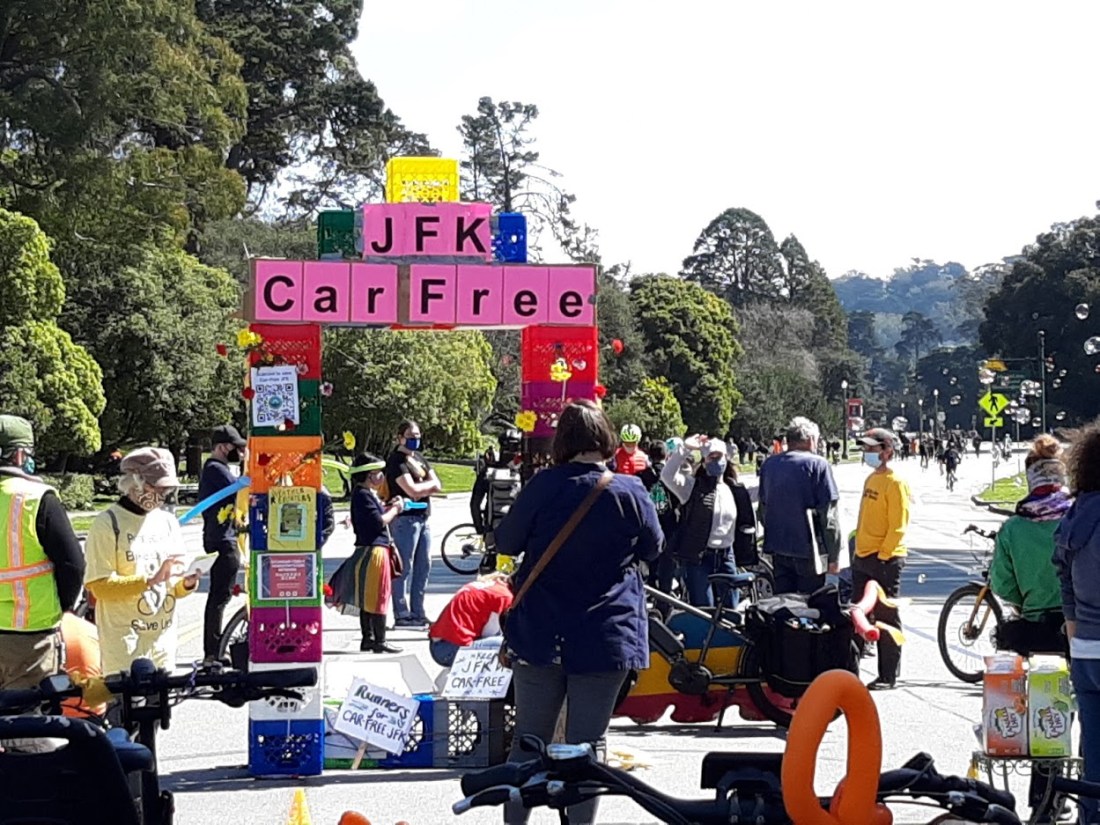
On the first day of Spring 2021 a band of citizens rallied on JFK Drive in Golden Gate Park with a clearly defined goal.
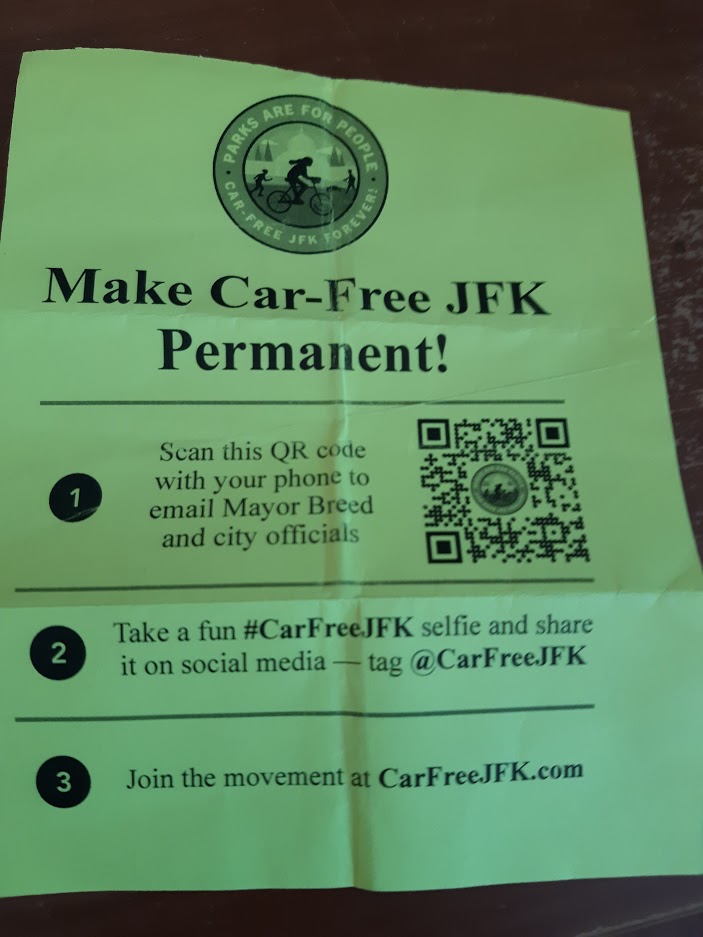
Designate JFK Drive a permanently car free zone.
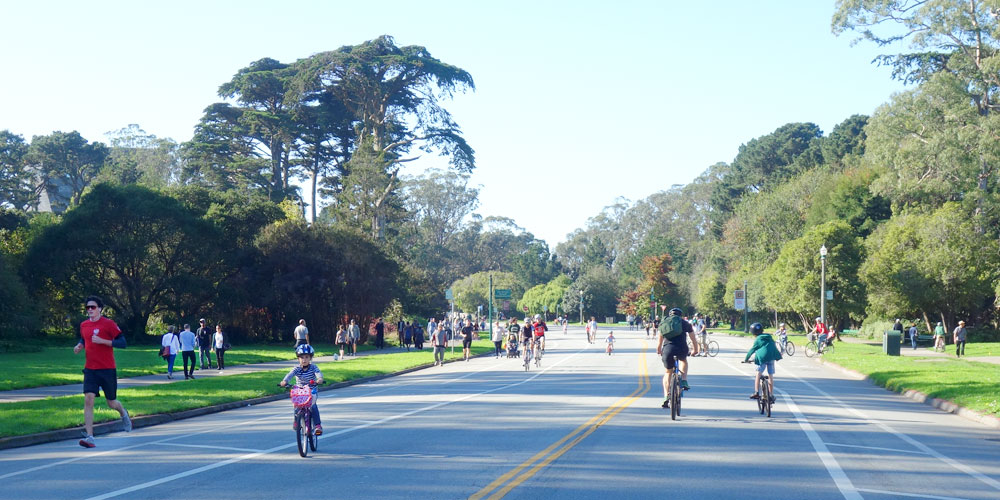
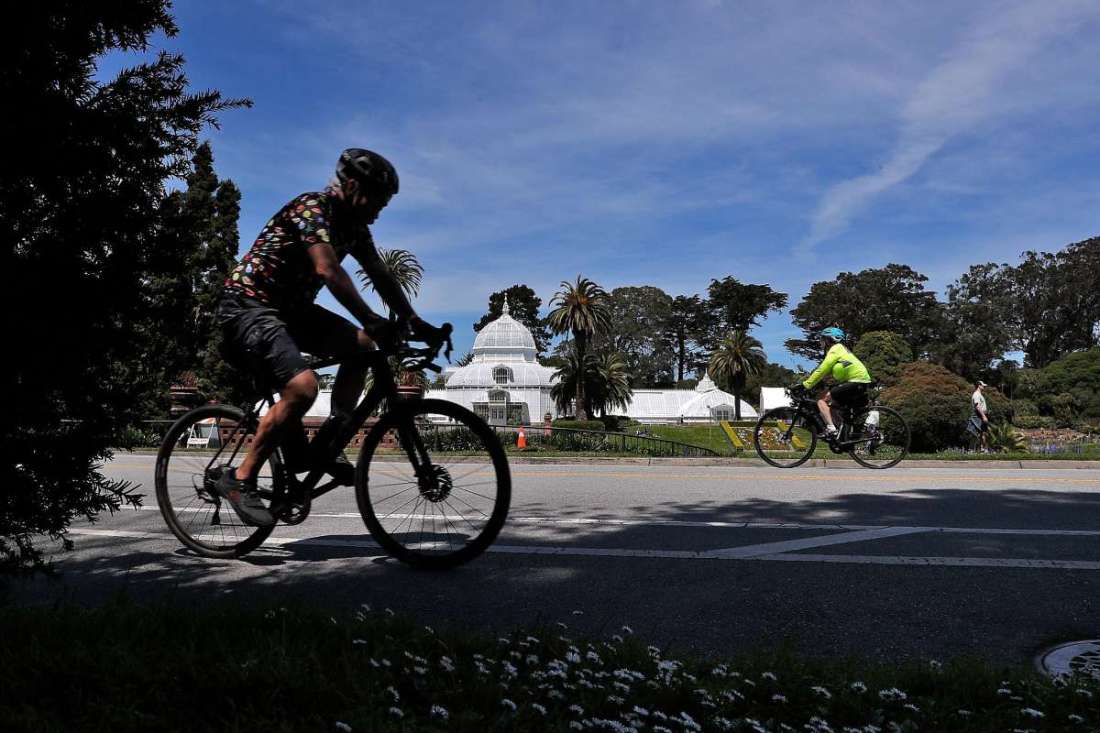
During the past year JFK Drive has been a marvelous place for people of all ages; young, old, the elderly and disabled. Thousands of citizens have been able to enjoy the 1.5 mile JFK thoroughfare without the encumbrance and danger of cars.
We want to keep it that way. PERMANENTLY.
Photos – Liz and Lee Heidhues – a pair of lifelong bicyclists and now senior citizens.
If San Francisco is genuinely a people friendly town JFK Drive in Golden Gate Park must remain car free.
Motorist advocates of allowing cars to occupy JFK Drive again are cynically using the elderly and disabled as their reason to permit cars back onto JFK Drive.
The thousands who have enjoyed a car free JFK during the past year are vivid testimony to the benefit of this open space for people of all ages. The elderly and disabled included.
There is a solution. The City could provide shuttle service from the Park entry to those who genuinely need assistance.
JFK Drive is not your parking lot.
Regards adequate parking, the underground garage has plenty of space. It was built to accomodate the motoring public.
The DeYoung Museum and the California Academy of Sciences want the Park open to cars, again. Why? It has nothing to do with the elderly and the disabled.
These institutions are in it for the money. Period.
Excerpted from The San Francisco Examiner 3.18.2021
Advocates will gather Saturday in Golden Gate Park to urge The City to make John F. Kennedy Drive permanently car-free. Billed as a family-friendly event with sidewalk chalk art, a selfie booth and music, the rally will begin at 10 a.m. at JFK Drive and 8th Avenue.
Host organizations such as People Protected, the Richmond Family Transportation Network, the San Francisco Bicycle Coalition and Friends of the Urban Forest will have representatives present to recruit volunteers to join the campaign as well as distribute information on their cause.
Their message boils down to a simple slogan: parks are for people.
“There’s a community that does not want to see our park turn back into a parking lot,” said Matt Brezina, one of the co-founders of People Protected. “We want to have our voices heard.”
Though JFK Drive was closed to cars on Sundays prior to the pandemic, the San Francisco Recreation and Park Department temporarily barred them on an all day, every day basis starting April 28 in an effort to create additional outdoor space for recreation and essential travel during the shelter-in-place order.
The 1.5-mile stretch of road has since become a haven for throngs of cyclists, runners, walkers, roller bladers and others who can enjoy the northern side of the park without fear of vehicles. Families can regularly be seen teaching kids how to ride without training wheels, or walking dogs after dinner.
“The most beautiful thing is the diversity of people using JFK Drive, and they’re people who never would have felt comfortable there before,” Brezina said.
Formal action is required from the City to make all or part of this program permanent, otherwise the closure to cars must expire 120 days after the current public health order ends, an unknown date that’s theoretically moving closer as vaccination rates improve.
“Car-Free JFK has provided cultural connection, recreation and safe passage for all visitors, while activating a beautiful stretch of public space,” said David Alexander, co-founder and community organizer of Richmond Family Transportation Network, in his pitch for why the road should stay car-free.
Two institutions with major cultural and political influence in San Francisco have come out in opposition to permanent closure: The DeYoung Museum and the California Academy of Sciences.
Both assert the car prohibition would disproportionately impact patrons with limited mobility.
“While it is great for those who can walk or bike to the de Young, it negatively impacts a huge group of our local community, including people with disabilities, those with ADA placards, the elderly, families with infants and young children and others,” said Miriam Newcomer, a de Young Museum spokesperson.
To: Richie Greenberg and his Law and Order brigade.
This misguided effort is nothing more than a bunch of San Francisco Trumpistas trying to turn out a true reformer DA who is pursuing Justice by prosecuting the most serious crimes.
Your campaign is carrying the ball for the Police Officers Association as part of its stated goal to oust Chesa. This goal was proven during the 2019 when the POA spent nearly 1MM to defeat Chesa.
The decrease in many crime stats since Chesa assumed office 14 months ago is a statistic you conveniently ignore.
Your posse of disaffected San Franciscans are nothing more than a throwback to the Dick Tracy Crime Stoppers textbook of the 1950’s when people of color were arrested at will, crimes against women went unpunished and the SFPD had no checks on their behavior.
An obnoxious minority is what you are. Period.
You and your mob are political crybabies wasting City money in a Recall election when San Francisco faces a yawning budget crisis.
Richie, you don’t care about Crime or Justice.
Your people are wailing away because they didn’t prevail at the ballot box in 2019.
Shame on all of you.
Attached is a link for those who want to support Chesa while he continues his work as DA to reform the criminal justice system and fights off this Recall effort.
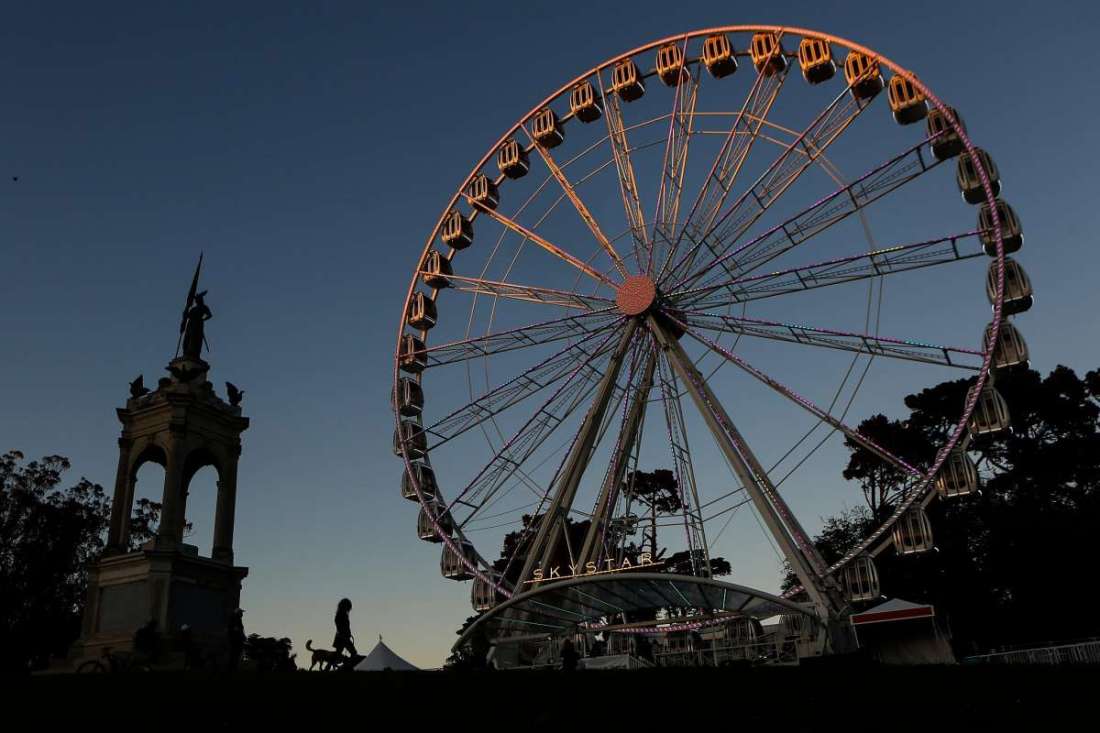
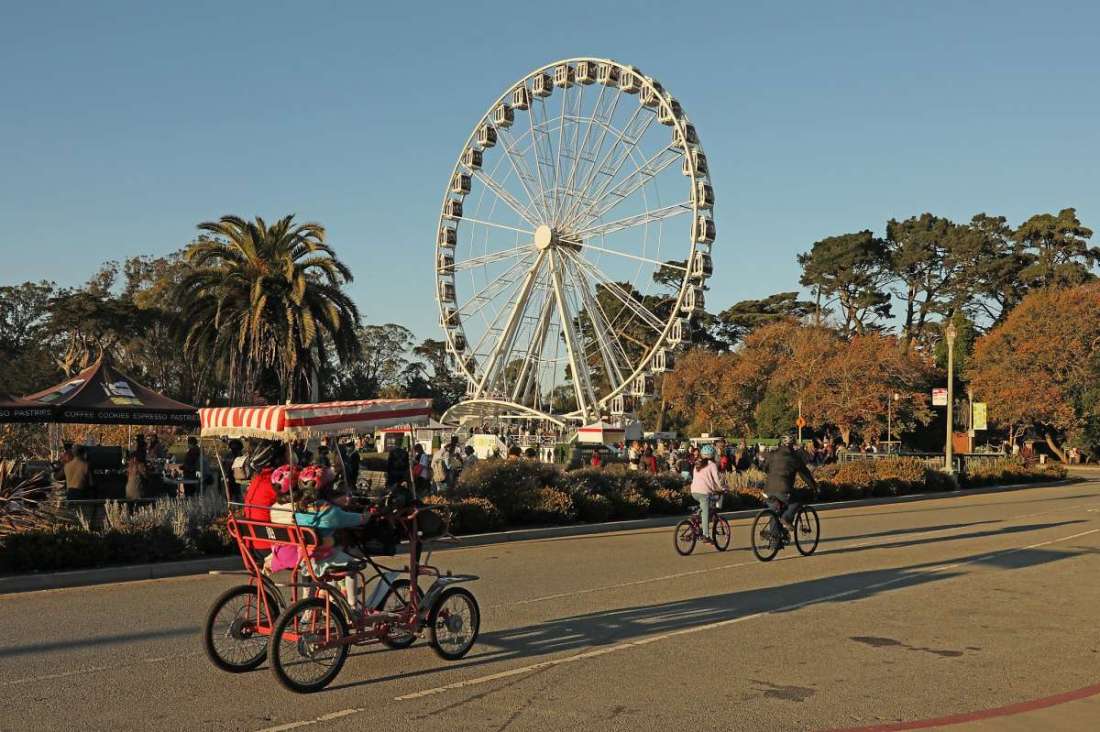
The San Francisco Board of Supervisors is on the verge of doing the right thing and limiting the stay of the Carnival Barkers Delight ferris wheel in Golden Gate Park.
The beautiful park was never intended to be a cash cow for corporate interests whose only interest is the bottom line. If the City really wants this 150 foot tall monstrosity send it to the tourist trap environs of Fisherman’s Wharf.
By all means get it out of Golden Gate Park.
Excerpted from The San Francisco Examiner 3.15.2021
The Board of Supervisors is set to vote Tuesday whether to overturn a decision to allow the 150-foot tall, illuminated Ferris wheel to operate in Golden Gate Park for another four years.
The Recreation and Park Commission and the Historic Preservation Commission both recently approved the wheel installation for another four years after it was initially approved for a one-year term ending later this month. The wheel was largely closed in the past year due to COVID. Those approvals were thought to be all that was needed to keep the wheel spinning in the park for another four years.
But Supervisors Aaron Peskin and Connie Chan, siding with wheel opponents, have argued a city charter provision requires the wheel to obtain board approval. They are moving to limit the extension to one year, with removal required by March 15, 2022.
The board’s Rules Committee voted Monday to send the proposal to the full board for a vote Tuesday after a two-hour hearing where those from both sides of the issue weighed in once more. The board had initially been expected to vote on the proposal last week, but it was referred to the committee at that time for further debate.
“It is consistent with the original deal,” Peskin said. “Fair is fair, let’s extend it an additional year.”
The Charter provision in question states that “no building or structure, except for nurseries, equipment storage facilities and comfort stations, shall be erected, enlarged or expanded in Golden Gate Park or Union Square Park unless such action has been approved by a vote of two-thirds of the Board of Supervisors.
Some have objected to the two supervisors’ use of the provision in this matter and argued it doesn’t apply to the wheel because it its a “temporary structure.” They have also said it would set a problematic legal precedent for other events held in the park, such as Outside Lands, by forcing them to also obtain time consuming board approval.
Peskin called this argument “absurd” but reiterated he would be willing to introduce an ordinance to state that something like Outside Lands would not be covered by the charter provision because it’s only three days out of a year and not like the wheel, which would be there for a total of five years.
He argued the charter provision is very clear about the board’s authority, but has previously told the Examiner that “I have advice from the City Attorney and the City Attorney has said we are not sure.”
The Recreation and Parks Department initially approved a one-year permit with SkyStar Wheel, LLC, a Missouri-based company, to install the attraction in the park’s Music Concourse as part of the 150th anniversary celebration of Golden Gate Park. But due to the COVID-19 pandemic, the wheel only operated for 39 days. Although it has now recently reopened with rides costing $18 and $12 for seniors and children under 12.
Katherine Howard, of the Sierra Club’s San Francisco Bay Chapter, has opposed the wheel but said she would support the one-year extension as a compromise to “get this intrusive anti-nature structure out of Golden Gate Park forever.”
“Our precious parkland is often viewed as empty open space just waiting for buildings or other attractions to be added to it,” Howard said. “Special interest groups will alway want just one more feature built in our premier landscape park. If we allow development to continue then we will lose our parkland to those structures.”
The department has said it sought the four-year extension to fulfill the promises of the first-year agreement and to assist with The City’s recovery.
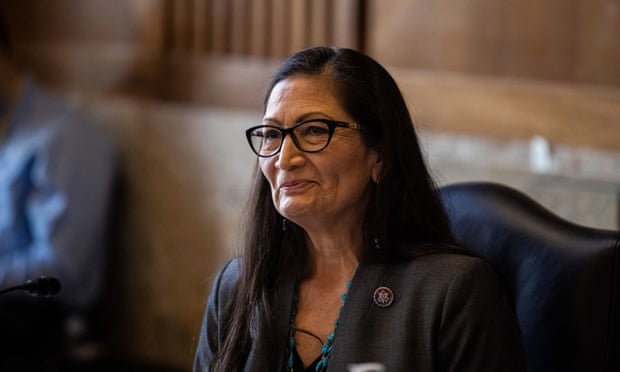
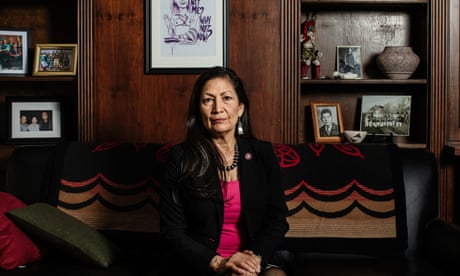
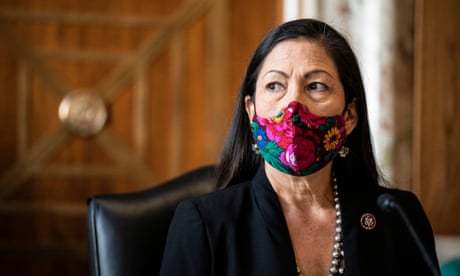
It is a proud day for Native Americans. Deb Haaland, a Congresswoman from New Mexico, has been confirmed as Secretary of the Interior.
Secretary Haaland will now preside over the native lands which the white American invaders stole from her people in the westward movement which came to be known as Manifest Destiny.
Hundreds of thousands lost their ancestral homes and lives during the white invaders encroachment of the 18th and 19th centuries.
Native American Haaland’s ascent is a small step forward in the long struggle to gain equal rights and equity. To show that racist and sexist habits are hard to destroy 40 Senators, all Republicans, voted against her confirmation.
The Guardian 3.21.2021
Interior secretary from New Mexico will be responsible for US’s land, seas and national resources.
Deb Haaland has been confirmed as the secretary of the interior, making her the first Indigenous cabinet secretary in US history.
The 60-year-old from New Mexico will be responsible for the country’s land, seas and natural resources, as well as overseeing tribal affairs.
The US Senate confirmed the Democrat on Monday by a vote of 51-40, after she secured the support of Republican senators including Lindsey Graham, Lisa Murkowski, Dan Sullivan and Susan Collins.
Last year, Haaland sponsored a bill that would set a national goal of protecting 30% of US lands and oceans by 2030 – the 30 by 30 commitment since made by Biden in an executive order.
In a recent interview, Haaland told the Guardian that as secretary of the interior she would “move climate change priorities, tribal consultation and a green economic recovery forward”.
In a statement after the vote, Haaland said she was “ready to serve”.
Haaland is a member of the Laguna Pueblo, one of 574 sovereign tribal nations located across 35 states. She is the most senior Indigenous American in the US government since the Republican Charles Curtis, a member of the Kaw nation situated in what is now Kansas, who served as vice-president to Herbert Hoover between 1929 and 1933.
‘I’ll be fierce for all of us’: Deb Haaland on climate, Native rights and Biden
Read more
She will lead about 70,000 staff who oversee one-fifth of all the land in the US and 1.7bn acres of coastlines, as well as managing national parks, wildlife refuges and natural resources such as gas, oil and water.
Haaland will also be responsible for upholding the government’s legally binding obligations to the tribes – treaty obligations that have been systematically violated with devastating consequences for life expectancy, exposure to environmental hazards, political participation and economic opportunities in Indian Country.
According to the 2010 census, 5.2 million people or about 2% of the US population identifies as American Indian or Alaskan Native – descendants of those who survived US government policies to kill, remove or assimilate indigenous peoples.
Haaland’s confirmation comes after several days of grilling by senators over her past criticism of Republicans, even though she had one of the best records of bipartisanship in the previous Congress. She also faced hostile questions from senators from oil and gas states, who claimed her opposition to fossil fuels projects would destroy jobs.
Republicans criticizing Haaland’s nomination have ties to fossil fuels
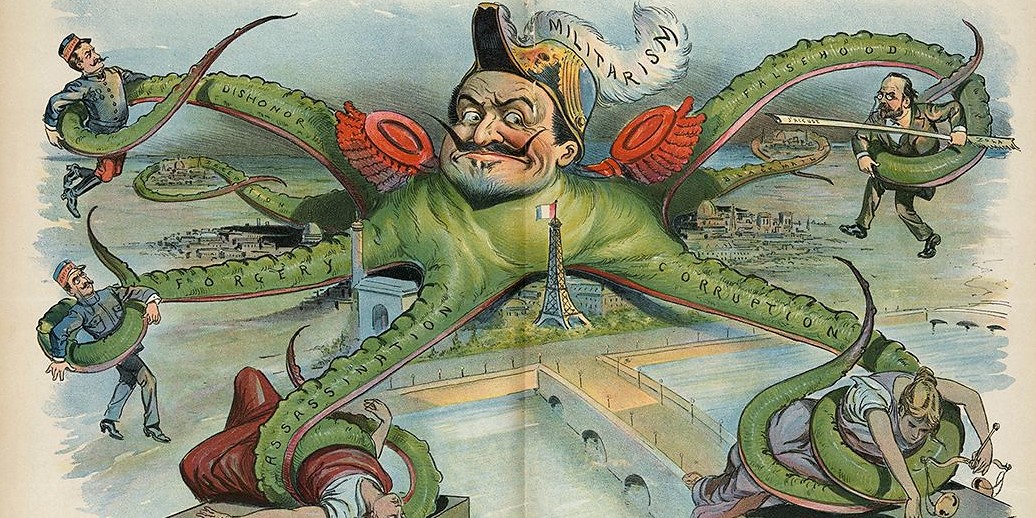
It’s valuable and educational to take a look at scandalous events beyond the American border. As the Wikipedia article explains the Dreyfus Affair, “remains one of the most notable examples of a complex miscarriage of justice and antisemitism.”
Discrimination and miscarriage of justice have no international boundaries. These traits are like the Covid-19 Pandemic. Perverse, dangerous and insidious.
The Dreyfus affair (French: affaire Dreyfus, pronounced [lafɛːʁ dʁɛfys]) was a political scandal that divided the Third French Republic from 1894 until its resolution in 1906. “L’Affaire”, as it is known in French, has come to symbolise modern injustice in the Francophone world,[1] and it remains one of the most notable examples of a complex miscarriage of justice and antisemitism. The role played by the press and public opinion proved influential in the conflict.
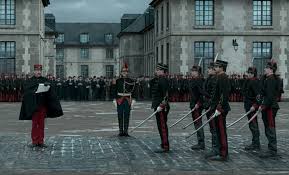
The scandal began in December 1894 when Captain Alfred Dreyfus was convicted of treason. Dreyfus was a 35-year-old Alsatian French artillery officer of Jewish descent. He was sentenced to life imprisonment for allegedly communicating French military secrets to the German Embassy in Paris, and was imprisoned in Devil’s Island in French Guiana, where he spent nearly five years.
In 1896, evidence came to light—primarily through an investigation instigated by Georges Picquart, head of counter-espionage—which identified the real culprit as a French Army major named Ferdinand Walsin Esterhazy. When high-ranking military officials suppressed the new evidence, a military court unanimously acquitted Esterhazy after a trial lasting only two days. The Army laid additional charges against Dreyfus, based on forged documents. Subsequently, Émile Zola‘s open letterJ’Accuse…!, stoked a growing movement of support for Dreyfus, putting pressure on the government to reopen the case.
In 1899, Dreyfus was returned to France for another trial. The intense political and judicial scandal that ensued divided French society between those who supported Dreyfus (now called “Dreyfusards”), such as Sarah Bernhardt, Anatole France, Henri Poincaré and Georges Clemenceau, and those who condemned him (the anti-Dreyfusards), such as Édouard Drumont, the director and publisher of the antisemitic newspaper La Libre Parole. The new trial resulted in another conviction and a 10-year sentence, but Dreyfus was pardoned and released. In 1906, Dreyfus was exonerated and reinstated as a major in the French Army. He served during the whole of World War I, ending his service with the rank of lieutenant-colonel. He died in 1935.
The affair from 1894 to 1906 divided France into pro-republican, anticlerical Dreyfusards and pro-Army, mostly Catholic “anti-Dreyfusards”. It embittered French politics and encouraged radicalisation
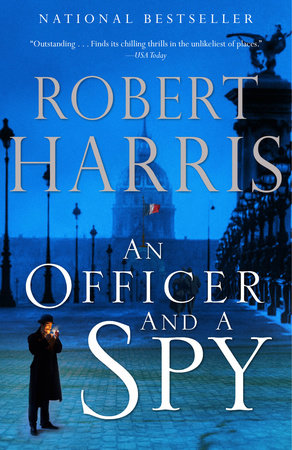
The Dreyfus Affair was adapted into a book by Robert Harris, “An Officer and a Spy,” (2013), and a movie by Roman Polanksi, “An Officer and a Spy,” (2019). Both the novel and the movie were well received.





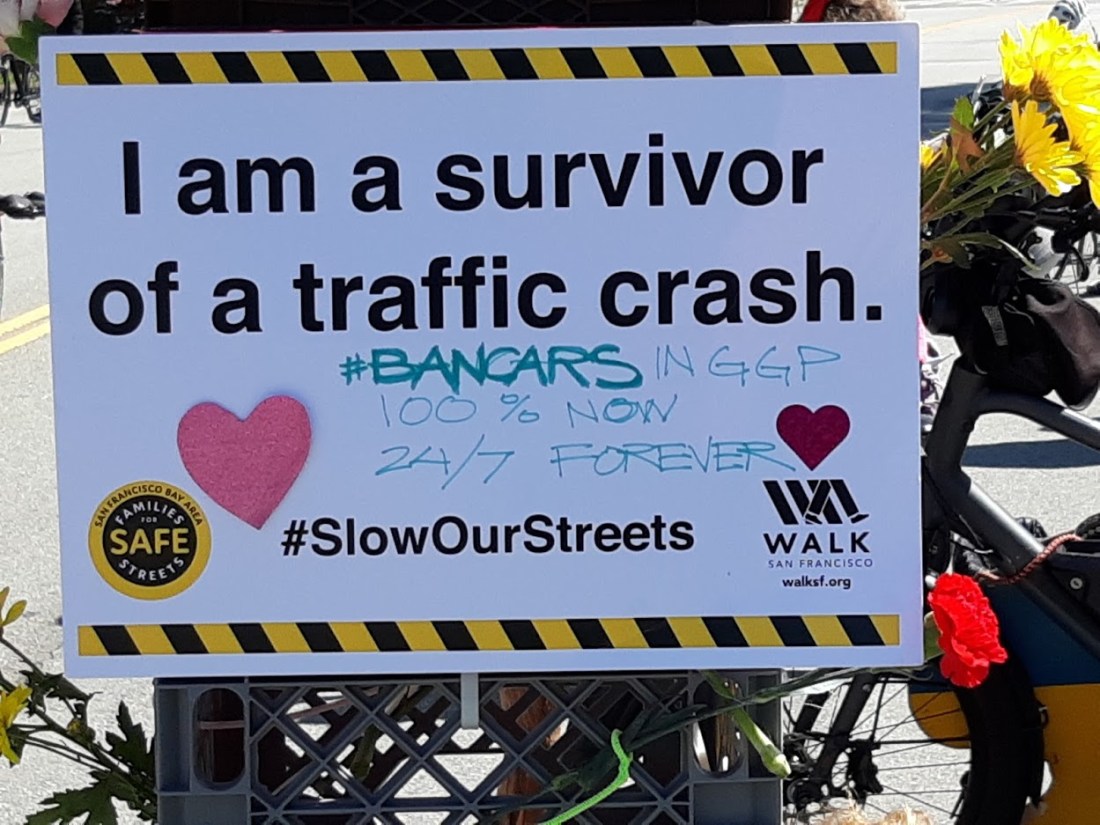
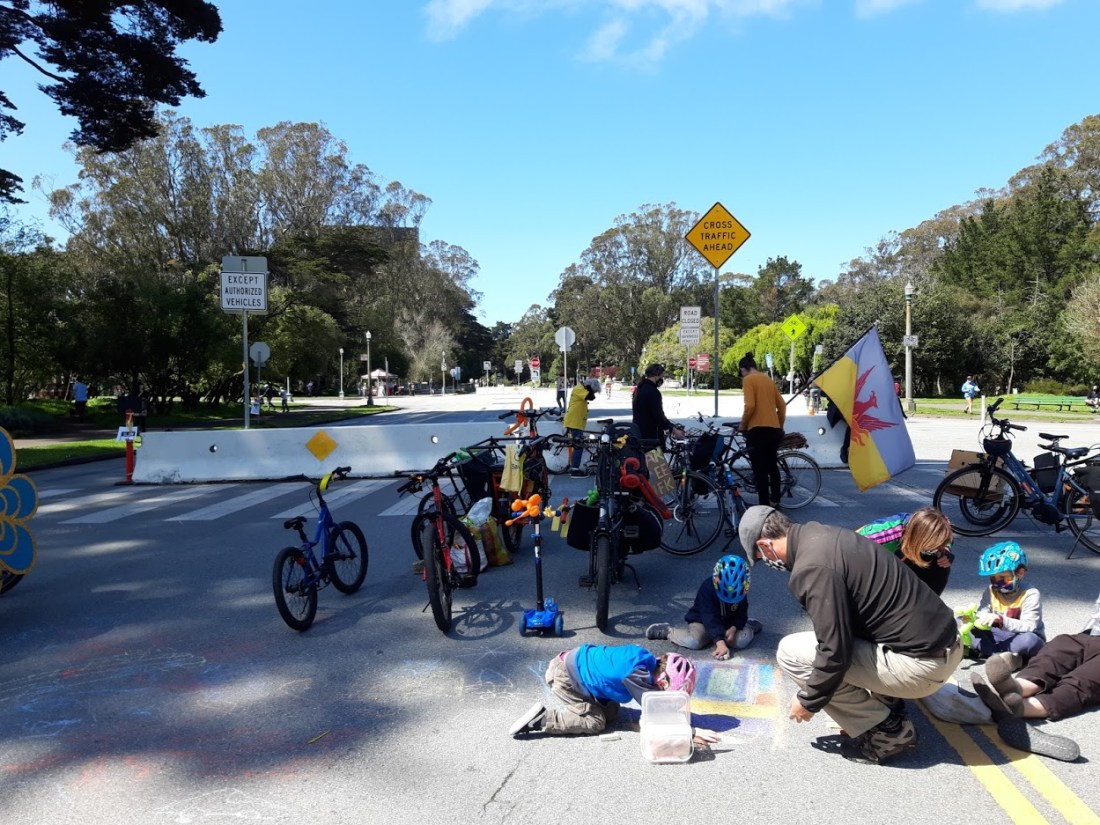

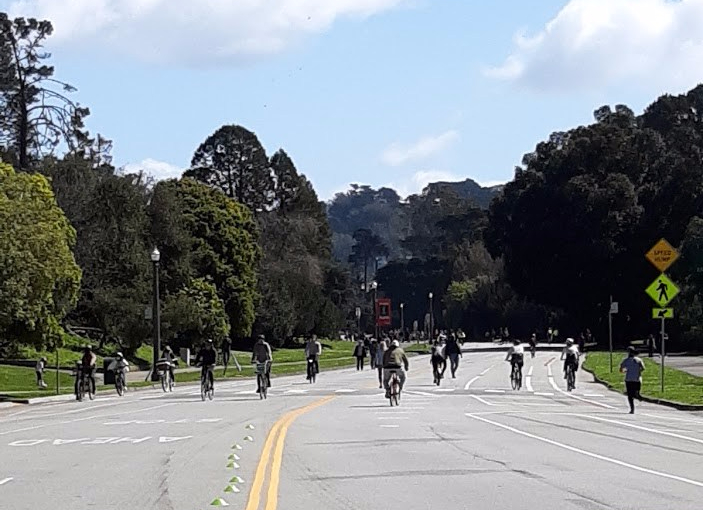



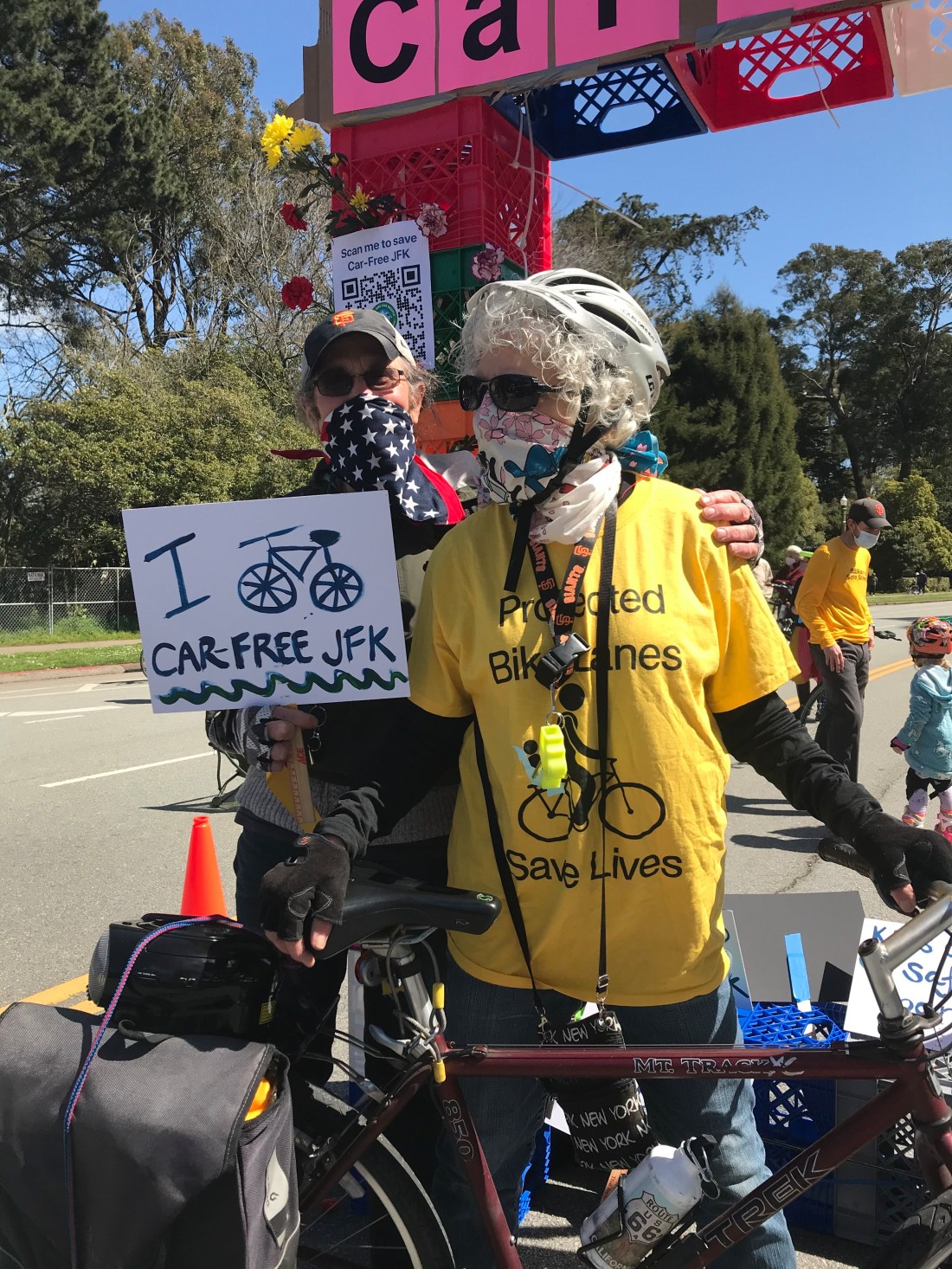
 “Car-Free JFK has provided cultural connection, recreation and safe passage for all visitors, while activating a beautiful stretch of public space,” said David Alexander, co-founder and community organizer of Richmond Family Transportation Network, in his pitch for why the road should stay car-free.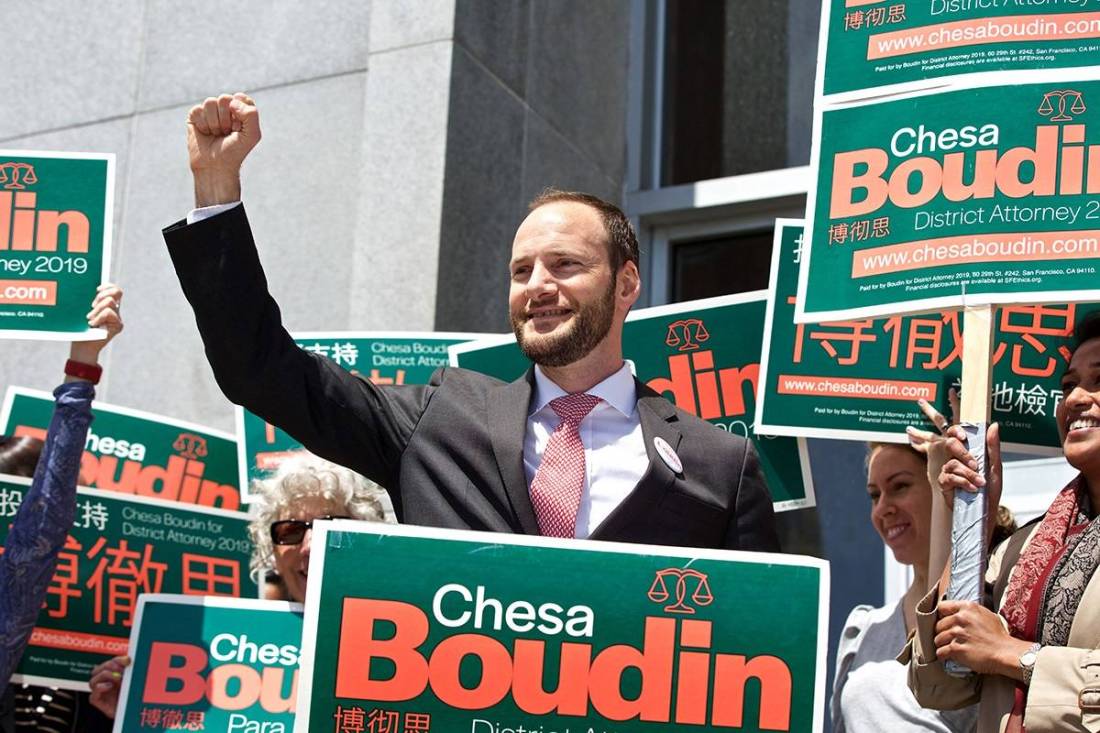




 Lee's Perspective