

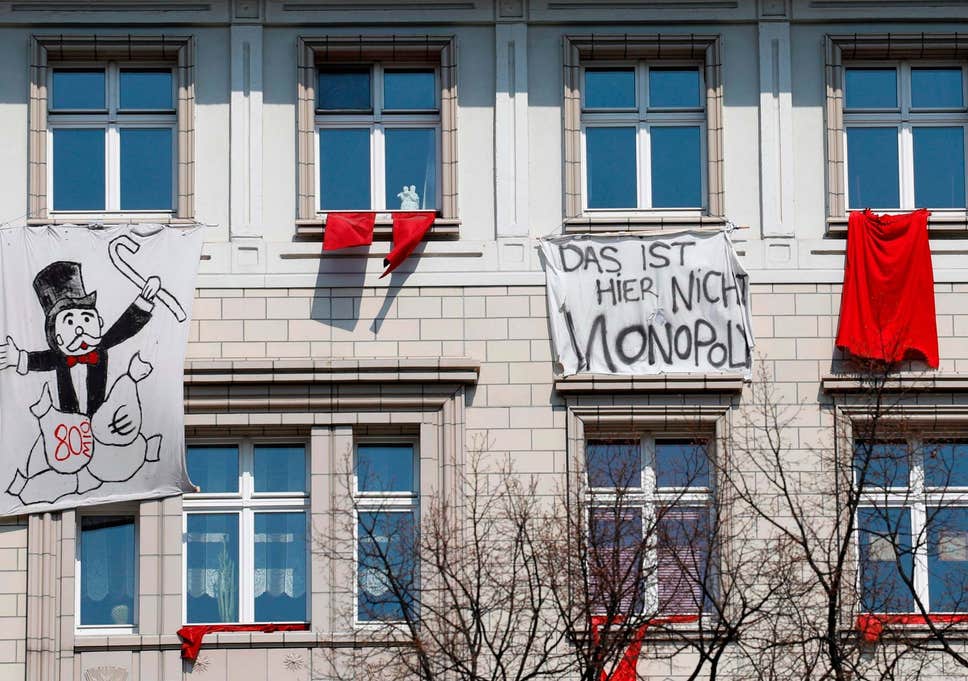
Berlin: Now this is real Rent Control.
The Local Germany 6.22.2019
Once described as “poor but sexy”, Berlin has seen its housing costs double over the last decade as employees lured by the strong job market move into the city.
The sharp rent hikes have led some residents to ponder radical solutions, including pushing for the seizure of housing stock from powerful landlords.
Alarmed by the trend, Berlin’s city government agreed to the outlines of a draft law that would include a temporary freeze on rents for five years from 2020.

Photo – Lee Heidhues, Kreuzberg Neighborhood Berlin May 2017
Under the plan that could affect 1.4 million properties, landlords who seek to raise rates because of renovation work will also have to seek official approval for any increases above 50 cents per square metre.

Only social housing and private property that has not been let out would be exempt.
The move, by Berlin’s coalition government of the centre-left SPD, the Greens and far-left Linke party, is being closely watched across Germany, where a backlash is growing over fears that residents are being priced out of key cities.
In an indication that the Berlin example could snowball into something wider, the SPD, which is also the junior coalition partner in Chancellor Angela Merkel’s federal coalition, has pledged to champion such rent controls nationwide.
“We need a rent price cap for all of Germany,” said Thorsten Schäfer-Guembel, one of the three interim SPD leaders.
He argued that the measure would help “win time to build, build and build”.
The SPD’s stance however puts it on a collision course with Merkel’s centre-right bloc, putting more pressure on their already fragile partnership.
Merkel herself has voiced scepticism about such caps, warning that “we must also provide an environment for people to want to build.
“It must remain advantageous and attractive to invest in residential property.”
While the political climate in Berlin is turning against landlords, the influential property-owners association Haus und Grund has said it would not be cowed.
In a clear call for pre-emptive action, the association urged members to raise rents by Monday night (June 17th).
Haus und Grund chairman Carsten Brückner told public broadcaster Inforadio
that the planned policy “makes no distinction between very large landlords and small private property owners who do not behave irresponsibly with rents and modernisation”.
The situation in the German capital has become all the more acute since the end of the Cold War and reunification, becoming a tourism and party hotspot as well as an investment magnet.
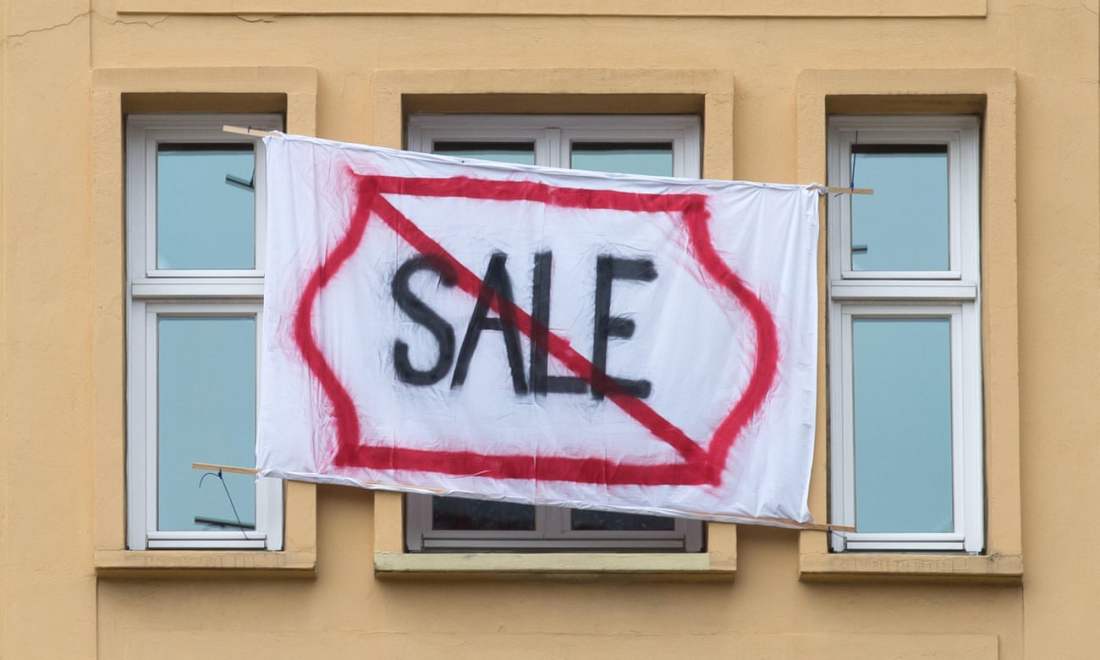
Although there are still huge swathes of unbuilt land and new construction mushrooming across the city, much of what is coming onto the market is out of reach for low-income locals.
The rates in Berlin are still below the rates in key capitals around the world. But average rent prices in Berlin have pushed past 10 euros per square metre per month, according to a recent study by a real estate group CBRE Berlin and German mortgage bank Berlin Hyp AG.
The rental freeze debate comes as residents are trying to seize the initiative by pushing for a referendum to seize buildings from landlords with more than 3,000 apartments.
On Friday, the initiators of the citizens’ vote said they had cleared the first hurdle by obtaining 77,001 signatures — more than three times higher than the 20,000 needed to launch such a referendum.
For the Tagesspiegel daily, the trend of runaway rents and growing revolt grew out of from the government’s failure to tackle the problem.
“If the rental cap splits the government, then that’s something that it brought upon itself: because for far too long, far too little has been built. But the call for new construction alone won’t help.”
https://www.thelocal.de/20190618/berlin-poised-to-freeze-rents-for-five-years-amid-rocketing-costs















 Lee's Perspective